- Deep Research Global
- Posts
- Coca-Cola - SWOT Analysis (2026)
Coca-Cola - SWOT Analysis (2026)
As the global beverage industry continues to evolve amid changing consumer preferences, regulatory pressures, and technological disruptions, The Coca-Cola Company stands at a critical juncture.
With over 130 years of history and presence in more than 200 countries, Coca-Cola remains one of the world’s most recognizable brands.
This comprehensive SWOT analysis examines the company’s strategic position as it navigates the challenges and opportunities that will shape its future through 2026 and beyond.
Table of Contents
Image source: coca-colacompany.com
Understanding The Coca-Cola Company
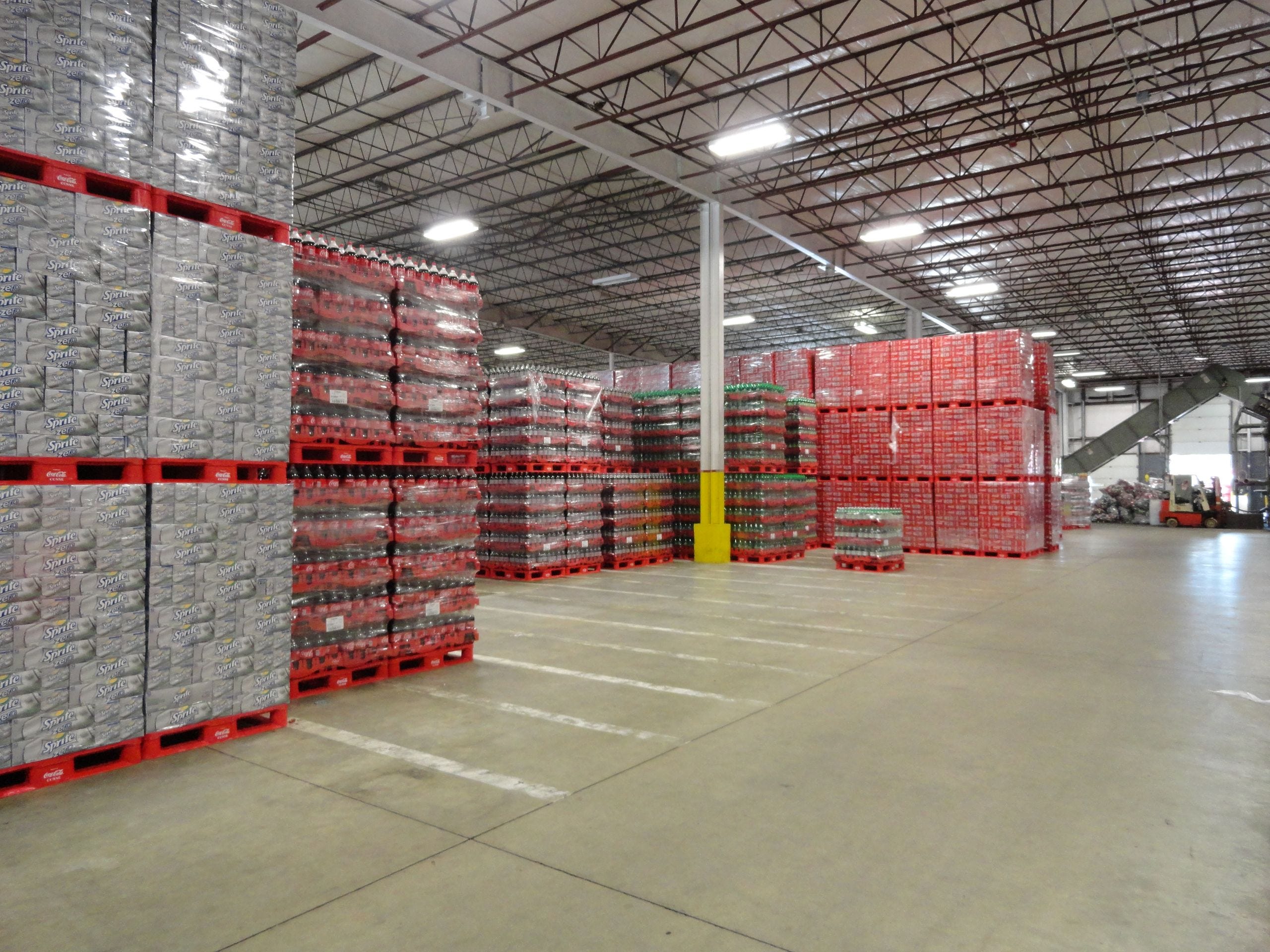
Before diving into the SWOT analysis, it’s essential to understand the scale and scope of Coca-Cola’s operations. The company operates through a franchised distribution system known as the Coca-Cola System, partnering with approximately 225 independent bottling partners across 950 production facilities worldwide. This network employs more than 700,000 people globally, bringing economic opportunity to local communities while distributing products to millions of retail outlets daily.
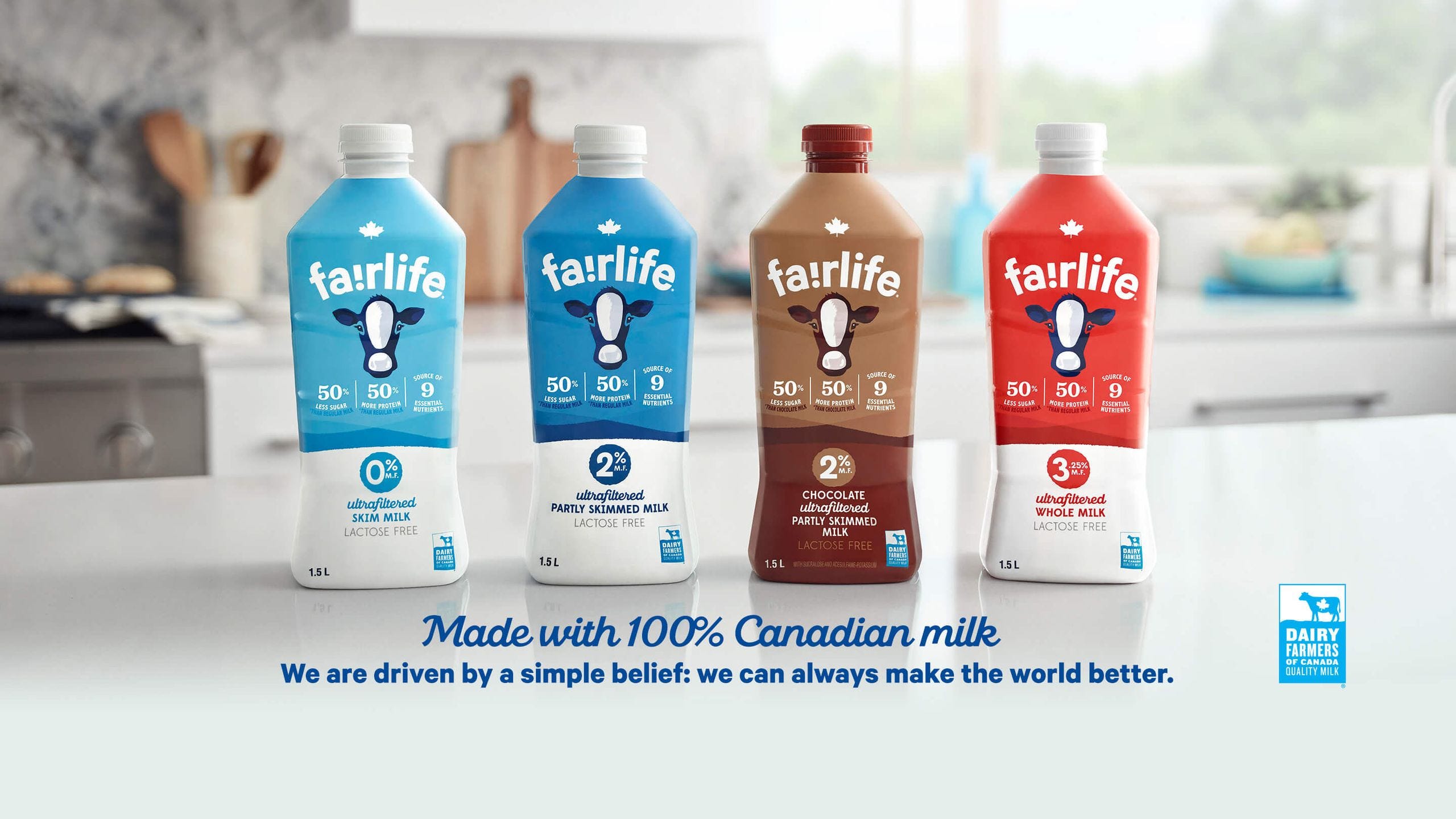
The company’s portfolio extends far beyond its flagship cola brand, encompassing over 200 beverage brands, including Sprite, Fanta, Dasani, Smartwater, Minute Maid, Powerade, Fairlife, and Costa Coffee. This diversification strategy positions Coca-Cola across multiple beverage categories, from sparkling soft drinks to water, sports drinks, juice, coffee, and tea.
Recent Financial Performance
Coca-Cola has demonstrated resilient financial performance despite global economic headwinds. In the third quarter of 2025, the company reported:
Net Revenues: $12.5 billion (5% growth)
Organic Revenues: 6% growth
Operating Margin: 32.0%
Operating Income: $4.0 billion (59% increase)
Comparable EPS: $0.82 (6% growth, beating estimates)
For the full year 2025, management projects organic revenue growth of 5% to 6% and comparable earnings per share growth of approximately 3%. The company continues to gain market share in the global beverage industry, with its brand value surpassing $100 billion, positioning it among the 14 most valuable brands worldwide.
Image source: cargocollective.com
Strengths: The Foundation of Global Dominance
1. Unparalleled Brand Equity and Recognition
Coca-Cola’s brand represents one of the most valuable intangible assets in the global marketplace. According to Brand Finance data, Coca-Cola is the most valuable non-alcoholic drinks brand with a brand value of $46.3 billion in 2025, representing a 32% increase. The company’s brand strength index stands at 93.3 out of 100, reflecting exceptional consumer recognition and loyalty.
Brand Recognition Metrics | Coca-Cola |
|---|---|
Global Brand Value (2025) | $100+ billion |
Countries with Presence | 200+ |
Daily Servings Worldwide | 1.9 billion |
Logo Recognition Rate | 94% globally |
The iconic red and white logo is recognized by 94% of the world’s population, a level of brand awareness that few companies can match. This universal recognition translates into powerful competitive advantages, including premium pricing power, customer loyalty, and the ability to launch new products with instant credibility.
Image source: brandfinance.com
2. Extensive Global Distribution Network
Coca-Cola’s distribution infrastructure represents a formidable competitive moat that would be nearly impossible for competitors to replicate. The company’s franchise business model allows it to maintain capital-light operations while ensuring products reach even the most remote corners of the globe. The distribution system includes:
Bottling Partners: 225+ independent partners
Production Facilities: 950+ worldwide
Retail Outlets: 700,000+
Distribution Centers: 8,000+
Geographic Reach: 200+ countries
This vast network enables Coca-Cola to achieve unmatched market penetration. Products are available within arm’s reach of consumers in virtually every market, from major metropolitan centers to rural villages. The company’s ability to efficiently manage this complex supply chain while maintaining product quality and consistency represents a significant operational strength.
3. Diversified Product Portfolio
Unlike many beverage companies that remain heavily dependent on a single product line, Coca-Cola has strategically diversified across multiple categories. The portfolio includes:
Sparkling Soft Drinks: Coca-Cola, Sprite, Fanta, Thums Up
Water: Dasani, Smartwater, Glacéau
Sports & Energy Drinks: Powerade, Monster Energy (partnership)
Juice & Plant-Based: Minute Maid, Simply, Fairlife, AdeS
Coffee & Tea: Costa Coffee, Gold Peak, Fuze Tea, Honest Tea
This diversification shields the company from category-specific downturns and allows it to capture shifting consumer preferences. As reported in Q3 2025 earnings, premium beverages like Fairlife and Fuze Tea, along with sports drinks like Powerade, drove significant revenue growth, demonstrating the value of portfolio breadth.
4. Strong Financial Performance and Margins
Coca-Cola maintains exceptional financial health with industry-leading profit margins. The company’s operating margin of 32% significantly exceeds industry averages, reflecting both pricing power and operational efficiency. Key financial strengths include:
Financial Metric | Performance |
|---|---|
Gross Margin (2025) | 62.1% |
Operating Margin | 32.0% |
Return on Equity | High double-digits |
Free Cash Flow | Strong and growing |
Dividend History | 60+ consecutive years |
The company’s margin expansion from 61.4% to 62.1% gross margin demonstrates continuous operational improvements. This financial strength provides resources for innovation, marketing, acquisitions, and shareholder returns while maintaining flexibility to weather economic downturns.
5. Digital Transformation and AI Investment
Coca-Cola has made significant strides in leveraging technology to drive business growth. The company committed $1.1 billion to Microsoft’s cloud and generative AI capabilities, representing one of the beverage industry’s largest technology investments. This initiative focuses on:
Supply chain optimization and demand forecasting
Personalized marketing and consumer engagement
Product innovation and flavor development
Revenue growth management through advanced analytics
Digital vending machines and IoT-enabled coolers
The AI-driven approach earned Coca-Cola the No. 6 ranking on Fortune’s AIQ 50 list, recognizing it as one of the top Fortune 500 companies leveraging artificial intelligence effectively. These technological investments enhance operational efficiency, improve customer experiences, and create competitive advantages that are difficult to replicate.
Coca-Cola maintains a dominant position across key beverage categories. In the United States, the company holds 47.1% market share in the carbonated soft drinks category. Globally, the company’s market position is even stronger in many developing markets where it has established first-mover advantages.
The company’s ability to maintain and grow market share despite intense competition reflects the strength of its brands, distribution capabilities, and marketing effectiveness. Market leadership positions Coca-Cola to capture a disproportionate share of industry growth while exercising pricing power that benefits profitability.
Weaknesses: Internal Challenges to Address
1. Dependence on Carbonated Beverages
Despite diversification efforts, Coca-Cola remains significantly reliant on carbonated soft drinks for revenue and profitability. This dependence poses risks as consumer preferences shift toward healthier alternatives. The company’s core business faces:
Primary Weakness: Heavy reliance on sugary carbonated drinks
Revenue Exposure: ~50% from traditional soft drinks
Consumer Trend: Declining consumption in developed markets
Health Concerns: Association with obesity and diabetes
While Coca-Cola has reduced sugar content across its portfolio and 28% of sales now come from reduced or zero-sugar products, the company must accelerate this transition to align with evolving consumer preferences. In developed markets like North America and Western Europe, carbonated soft drink consumption has been declining, creating headwinds for growth.
2. Health Concerns and Negative Perceptions
The high sugar content in many Coca-Cola products has attracted significant criticism from health advocates, regulators, and increasingly health-conscious consumers. Research has linked excessive consumption of sugar-sweetened beverages to various health issues, including:
Obesity and weight gain
Type 2 diabetes
Dental decay
Cardiovascular disease
Metabolic syndrome
These health concerns have damaged the company’s reputation in certain demographics, particularly among younger, health-conscious consumers and parents. The negative publicity around sugary drinks has forced Coca-Cola to invest heavily in product reformulation, marketing campaigns emphasizing moderation, and diversification into healthier categories.
3. Water Usage and Environmental Concerns
As a beverage company, Coca-Cola requires massive amounts of water for production. This creates several challenges:
Water Scarcity Issues: Operations in water-stressed regions face scrutiny and potential restrictions
Environmental Footprint: Large-scale water extraction impacts local ecosystems
Community Relations: Conflicts with local communities over water rights in developing countries
Regulatory Risk: Increasing regulations on water usage and environmental impact
While Coca-Cola has made commitments to water stewardship and claims to return more than 100% of water used in finished products to nature and communities, the company continues to face criticism over its environmental practices. The recently announced 2035 environmental goals represent progress, but execution challenges remain.
4. Plastic Packaging Dependency
Coca-Cola is one of the world’s largest users of plastic packaging, generating significant environmental waste. Key challenges include:
Packaging Challenge | Impact |
|---|---|
Plastic Production | Major contributor to plastic pollution |
Recycling Rates | Low collection and recycling rates globally |
Ocean Pollution | Products frequently found in ocean waste |
Regulatory Pressure | Increasing packaging taxes and restrictions |
Image source: pioneerphoenix.com
Although the company has committed to making 100% of its packaging recyclable by 2025 and using 50% recycled material in bottles by 2030, achieving these goals requires significant investment and faces practical challenges in markets with limited recycling infrastructure.
5. Limited Product Innovation Speed
Compared to smaller, more agile beverage startups, Coca-Cola’s innovation process can be slower due to its size and complexity. The company must balance:
Global brand consistency with local market needs
Large-scale production capabilities with experimental products
Risk management with innovation boldness
Cannibalization of existing products with new offerings
While Coca-Cola has made strides in innovation strategy, launching products like Coca-Cola Spiced and expanding into functional beverages, the company sometimes struggles to keep pace with rapidly changing consumer preferences and nimble competitors who can bring new products to market more quickly.
6. Currency and Commodity Price Exposure
As a global company generating revenue in numerous currencies while reporting in U.S. dollars, Coca-Cola faces significant foreign exchange risks. Currency headwinds impacted first-quarter 2025 results, contributing to a 2% decline in net revenues despite organic growth.
Additionally, the company faces exposure to commodity price volatility for key inputs, including:
Key Commodities:
- Aluminum (cans)
- PET plastic (bottles)
- Sugar and sweeteners
- Coffee beans
- Juice concentrates
While the company uses hedging strategies and has strong supplier relationships, significant commodity price spikes can pressure margins and require difficult decisions about pricing and product formulation.
Opportunities: Pathways to Future Growth
1. Emerging Markets Expansion
Emerging markets represent Coca-Cola’s most significant growth opportunity. Double-digit volume growth in countries like India and Turkey demonstrates the potential. Key growth markets include:
India: Rising middle class, low per-capita consumption, hot climate driving beverage demand
Africa: Young population, urbanization, underpenetrated markets
Southeast Asia: Economic growth, increasing disposable incomes
Latin America: Established presence with room for category expansion
Middle East: Growing populations, hot climate, cultural acceptance
According to recent reports, emerging markets showed 7.9% organic revenue growth in Q3 2025, significantly outpacing developed markets. Coca-Cola HBC’s recent $2.6 billion acquisition of controlling stake in an African bottling business adds 14 new markets, demonstrating the company’s commitment to this strategic priority.
Region | Growth Potential | Key Drivers |
|---|---|---|
India | Very High | 1.4B population, rising incomes, low penetration |
Africa | High | Urbanization, young demographics, brand aspirations |
Southeast Asia | High | Economic development, hot climate |
Latin America | Moderate | Existing presence, category expansion |
2. Health and Wellness Product Innovation
The global shift toward healthier lifestyles creates opportunities for Coca-Cola to expand beyond traditional sugary beverages. Beverage industry trends for 2025 include:
Zero Sugar Variants: Continued expansion of successful products like Coke Zero, which has shown strong growth globally
Functional Beverages: Products offering specific health benefits such as immunity support, energy, hydration, or digestive health
Plant-Based Options: Alternative milks, protein drinks, and botanical beverages
Enhanced Water: Vitamin-enriched, electrolyte-enhanced, or flavored waters
Probiotic Drinks: Kombucha and other fermented beverages supporting gut health
The zero-sugar beverage industry is experiencing significant growth as consumers seek to reduce sugar intake while maintaining beverage enjoyment. Coca-Cola’s Fairlife brand, which offers high-protein, filtered milk products, has been particularly successful, contributing to the company’s premium product growth.
3. Digital Marketing and E-Commerce
The digital revolution offers multiple avenues for growth:
Direct-to-Consumer (DTC): E-commerce platforms for subscription services and specialty products
Data-Based Personalization: Leveraging AI to create personalized marketing and product recommendations
Social Media Engagement: Connecting with younger consumers through digital platforms
Smart Vending: IoT-enabled vending machines offering personalized experiences
Mobile Applications: Apps for loyalty programs, AR experiences, and consumer engagement
Coca-Cola’s $1.1 billion investment in Microsoft Azure and AI positions the company to capitalize on these opportunities through enhanced data analytics, personalized marketing, and improved supply chain visibility. The company is using AI across multiple functions, from product development to customer service.
4. Sustainable Packaging Innovation
Environmental sustainability has evolved from a corporate responsibility issue to a competitive differentiator and growth opportunity. Coca-Cola can create value through:
Recycled Content: Increasing recycled plastic (rPET) usage in bottles
Alternative Materials: Plant-based plastics, paper bottles, aluminum expansion
Refillable Models: Reusable bottle systems in select markets
Package Reduction: Lightweighting and right-sizing to reduce material usage
Closed-Loop Systems: Developing comprehensive collection and recycling infrastructure
The company’s commitment to circular economy principles and goal of securing water in high-risk areas, reducing packaging waste, and cutting emissions represents significant investment areas that could create competitive advantages while addressing environmental concerns.
5. Coffee and Tea Category Growth
Coffee and tea represent substantial growth categories where Coca-Cola has under-exploited assets. Opportunities include:
Costa Coffee Expansion: Leveraging the acquired Costa Coffee brand for global expansion
Ready-to-Drink Coffee: Capturing the rapidly growing RTD coffee market
Premium Tea Products: Expanding offerings in the health-oriented tea segment
Functional Coffee: Products combining coffee with wellness benefits
Coffee Shop Presence: Physical retail locations to compete with Starbucks
The global coffee market continues to grow, particularly in developing countries where coffee culture is emerging. Coca-Cola’s ownership of Costa Coffee provides a platform for capturing this growth across multiple channels, from retail products to food service.
6. Strategic Acquisitions and Partnerships
Coca-Cola can accelerate growth and capabilities through targeted acquisitions:
Health-Focused Brands: Acquiring established wellness beverage companies
Local Champions: Purchasing strong regional brands in emerging markets
Technology Companies: Acquiring capabilities in AI, supply chain optimization, or consumer engagement
Production Innovations: Partnering with companies developing sustainable packaging or production technologies
Distribution Partnerships: Collaborating with e-commerce platforms and delivery services
The company has successfully used acquisitions to enter new categories, such as the Costa Coffee purchase and investments in BodyArmor sports drinks. Continued selective acquisitions can fill portfolio gaps and access new consumer segments.
Threats: External Challenges and Risks
1. Intense Competition from Established and Emerging Rivals
The beverage industry features formidable competition across multiple fronts:
Traditional Competitors: PepsiCo remains Coca-Cola’s primary rival, with comparable brand strength and a more diversified portfolio including snack foods through Frito-Lay. This diversification allows PepsiCo to offer bundled solutions to retailers and creates synergies that Coca-Cola cannot match. Nestlé also competes across multiple beverage categories with strong brands like Nescafé and Perrier.
Competitor | Competitive Advantage | Threat Level |
|---|---|---|
PepsiCo | Snack-beverage synergy, younger brand image | High |
Nestlé | Coffee expertise, health nutrition products | Medium-High |
Red Bull | Energy drink dominance, lifestyle branding | Medium |
Emerging Brands | Agility, health positioning, niche appeal | Growing |
Emerging Competitors: Smaller, health-focused beverage companies are capturing market share in fast-growing categories. Brands like Poppi (probiotic sodas), Olipop (digestive health sodas), Liquid Death (canned water), and various functional beverage startups appeal to health-conscious consumers and offer authenticity that legacy brands struggle to match.
Private Label: Retailer-owned brands offer lower prices and capture price-sensitive consumers, particularly during economic downturns. Major retailers like Costco, Walmart, and Amazon are investing in their beverage offerings, creating additional competitive pressure.
2. Sugar Taxes and Regulatory Restrictions
Governments worldwide are implementing fiscal policies to curb sugary beverage consumption. According to the World Health Organization, 108 national sugar-sweetened beverage taxes are now in effect globally. Key regulatory threats include:
Global Regulatory Landscape:
- 120+ countries with SSB taxes
- 130+ jurisdictions implementing beverage taxes
- Tax rates ranging from 10% to 50%
- Additional countries considering implementation
Research indicates that taxes of 10% or higher significantly reduce purchases of sugar-sweetened beverages. These taxes can:
Increase product prices, reducing consumption
Damage brand perception through association with unhealthy products
Force product reformulation, potentially affecting taste and consumer acceptance
Reduce profit margins if companies absorb tax costs
Create administrative complexity across multiple jurisdictions
The expanding global reach of these regulatory measures represents a persistent threat that requires ongoing reformulation efforts and portfolio diversification.
3. Changing Consumer Preferences and Health Consciousness
The global shift toward healthier lifestyles poses an existential threat to Coca-Cola’s traditional business model. Key trends include:
Sugar Reduction: Consumers actively avoiding high-sugar products
Clean Label: Demand for natural ingredients and transparency
Functional Benefits: Preference for beverages offering specific health benefits
Sustainable Choices: Environmental impact influencing purchase decisions
Authenticity: Skepticism toward large corporate brands
According to 2025 beverage trends, consumers are shifting spending away from sugary energy drinks toward zero-sugar variants, probiotic sodas, and functional beverages with health benefits. This fundamental shift in consumer values challenges Coca-Cola’s core products and requires substantial investment in portfolio transformation.
4. Water Scarcity and Climate Change
Climate change poses multiple risks to Coca-Cola’s operations:
Water Availability: Operations depend on consistent access to clean water, which is becoming scarce in many regions
Agricultural Disruption: Climate change affects sugar cane, coffee beans, fruit crops, and other key ingredients
Extreme Weather: Floods, droughts, and storms disrupt production and distribution
Regulatory Responses: Carbon taxes, emissions regulations, and sustainability requirements increase costs
Public Opinion: Growing awareness of corporate environmental impact affects brand reputation
The company’s updated 2035 environmental goals acknowledge these challenges but also reveal the difficulty of meeting aggressive sustainability targets. Water stress in key markets like India, California, and parts of Africa creates operational risks and potential supply disruptions.
5. Economic Volatility and Inflation
Global economic uncertainty affects Coca-Cola’s business through multiple channels:
Consumer Spending: Economic downturns reduce discretionary spending on beverages
Currency Fluctuations: Exchange rate volatility impacts international revenues and profits
Commodity Inflation: Rising costs for aluminum, plastic, sugar, and transportation pressure margins
Interest Rates: Higher rates increase debt service costs and affect valuation
Geopolitical Instability: Trade tensions, sanctions, and conflicts disrupt operations
The company’s global footprint provides geographic diversification but also creates exposure to economic problems in any region. While Coca-Cola’s products have relatively inelastic demand, severe recessions drive consumers toward private label alternatives or tap water.
6. Cybersecurity and Technology Disruption
As Coca-Cola increases digital integration and relies more heavily on data and AI, technology-related risks escalate:
Data Breaches: Consumer data collection creates privacy risks and potential liability
Supply Chain Disruption: Cyberattacks on supply chain systems could halt production
Intellectual Property Theft: Trade secrets, like formulas, are valuable targets
System Dependencies: Reliance on technology platforms creates single points of failure
Rapid Innovation: New beverage technologies or business models could disrupt traditional operations
The company’s $1.1 billion investment in cloud and AI technologies, while creating opportunities, also increases technology dependency and associated risks. Effective cybersecurity and risk management are critical as operations become more digitized.
Balancing Heritage with Innovation
Coca-Cola faces the classic innovator’s dilemma: how to defend its highly profitable core business while simultaneously transforming to meet changing market demands. The company must:
Protect Core Assets: Continue marketing and supporting flagship brands that generate substantial cash flow
Accelerate Transformation: Rapidly expand healthier product offerings and reduce sugar across the portfolio
Maintain Relevance: Connect with younger consumers who view traditional sodas as outdated
Manage Cannibalization: Balance new product launches against potential erosion of existing products
The growth strategy framework built on marketing, innovation, revenue growth management, and integrated execution provides a roadmap, but execution challenges remain significant.
Geographic Prioritization
Different markets require different strategies:
Market Type | Strategy Focus | Investment Priority |
|---|---|---|
Developed Markets | Premiumization, health-focused innovation, brand relevance | Medium |
Emerging Markets | Volume growth, distribution expansion, affordability | High |
Mature Declining | Efficiency, profit maximization, portfolio optimization | Low |
The data shows emerging markets delivering organic revenue growth of 7.9% compared to slower growth in developed regions, validating the strategic emphasis on markets like India, Africa, and Southeast Asia.
Sustainability as Competitive Advantage
Rather than viewing environmental commitments purely as costs, Coca-Cola should position sustainability as a differentiator:
Brand Value: Environmental leadership can strengthen brand reputation with conscious consumers
Risk Mitigation: Proactive sustainability reduces regulatory risk and ensures operational continuity
Cost Savings: Resource efficiency and circular economy principles can reduce long-term costs
Innovation Driver: Sustainability constraints force creative solutions that create competitive advantages
The company’s goals for water security, packaging waste reduction, and emissions cuts represent substantial commitments that require follow-through to maintain credibility.
Technology as Enabler
The company’s AI and digital transformation initiatives should focus on:
Consumer Insights: Using data to understand preferences and personalize offerings
Supply Chain Optimization: Improving efficiency, reducing waste, and enhancing responsiveness
Product Innovation: Accelerating development cycles and improving success rates
Commercial Execution: Enhancing retailer relationships and point-of-sale effectiveness
Success in leveraging technology could create sustainable competitive advantages that are difficult for competitors to replicate quickly.
My Final Thoughts: A Giant in Transition
The Coca-Cola Company enters 2026 from a position of considerable strength but facing significant challenges that require transformation. The company’s unmatched brand equity, global distribution network, and financial resources provide a strong foundation. However, changing consumer preferences, regulatory pressures, environmental concerns, and intense competition demand strategic evolution.
Key Takeaways for 2026 and Beyond:
Strengths to Leverage:
✓ Brand power and consumer recognition
✓ Global distribution infrastructure
✓ Financial strength and margin expansion
✓ Technology investments and capabilities
Weaknesses to Address:
✗ Overreliance on sugary carbonated beverages
✗ Health perception challenges
✗ Environmental footprint and plastic usage
✗ Innovation speed versus nimble competitors
Opportunities to Capture:
→ Emerging markets growth acceleration
→ Health and wellness product expansion
→ Digital transformation and e-commerce
→ Sustainable packaging innovation
Threats to Mitigate:
⚠ Intensifying competition from all sources
⚠ Expanding sugar tax regulations
⚠ Climate change and water scarcity
⚠ Economic uncertainty and inflation
The path forward requires Coca-Cola to simultaneously defend its core business while transforming its portfolio, balance global consistency with local relevance, and deliver short-term results while investing for long-term sustainability. The company’s success in navigating these tensions will determine whether it maintains its position as the world’s leading beverage company or gradually cedes market share to more agile competitors.
For investors, customers, and stakeholders, Coca-Cola’s strategic execution over the next several years will be critical. The company has the resources and capabilities to succeed, but the required transformation is substantial and the competitive environment is unforgiving. Those watching the beverage industry should monitor Coca-Cola’s progress on portfolio diversification, emerging market penetration, sustainability commitments, and technology integration as key indicators of long-term viability.
The Coca-Cola Company has reinvented itself multiple times throughout its 130-year history. The question for 2026 and beyond is whether it can once again adapt to changing times while preserving the essence of what has made it one of the world’s most valuable and recognizable brands.
Reply