

The United States energy sector stands at a transformational crossroads as AI, data centers, and clean energy mandates reshape power demand patterns. And Constellation Energy Corporation $CEG ( ▲ 2.86% ) has positioned itself as the nation’s largest producer of carbon-free electricity.
As investors evaluate opportunities in the energy transition, understanding Constellation’s strategic position through a comprehensive SWOT analysis becomes essential for assessing long-term value creation potential.
Table of Contents
Company Overview and Current Position
Constellation Energy Corporation emerged from Exelon Corporation’s separation and operates as the nation’s preeminent clean energy provider.
Headquartered in Baltimore, Maryland, the company commands an impressive generation portfolio that supplies approximately 10% of the nation’s clean energy. The Fortune 200 company serves three-fourths of Fortune 100 companies alongside millions of residential and public sector customers nationwide.
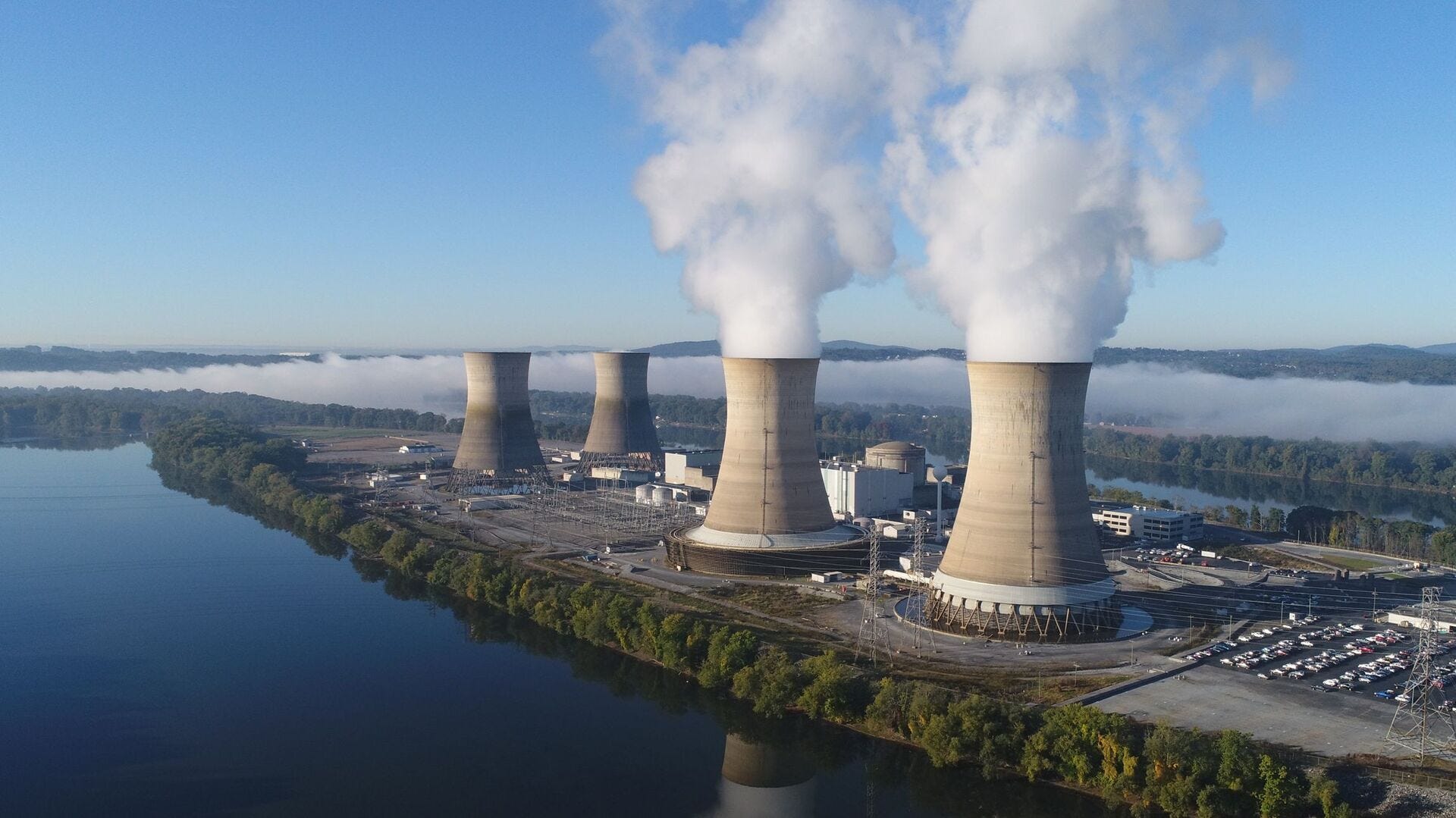
The company’s operational foundation rests on 21 nuclear reactors operating across 12 power generation facilities, representing the largest nuclear fleet in the United States. This nuclear capacity exceeds 19,000 megawatts and delivers consistent, baseload power generation.
Beyond nuclear, Constellation manages diverse energy assets including natural gas facilities, hydroelectric installations, wind farms, and solar arrays, creating an integrated clean energy platform.
2025 Financial Performance Snapshot
Constellation’s Q3 2025 financial results demonstrated resilience amid market dynamics. The company reported GAAP net income of $2.97 per share and adjusted operating earnings of $3.04 per share for the third quarter, representing an increase from $2.74 per share in the comparable 2024 period. For the nine-month period ending September 30, 2025, net income attributable to common shareholders reached $1,887 million.
The nuclear fleet produced 46,477 gigawatt-hours during Q3 2025, compared with 45,510 gigawatt-hours in Q3 2024. Operating performance remained strong, with nuclear plants achieving a 96.8% capacity factor for the third quarter of 2025, exceeding the 95.0% achieved in the prior year period, according to the company’s Q3 2025 earnings report.
CONSTELLATION ENERGY Q3 2025 KEY METRICS

Revenue:                        $6,570 million
Net Income:                     $930 million
Adjusted Operating Earnings:    $3.04 per share
Nuclear Generation:             46,477 GWh
Nuclear Capacity Factor:        96.8%
Management narrowed full-year 2025 adjusted operating earnings guidance to a range of $9.05 to $9.45 per share, reflecting confidence in operational execution and commercial momentum. As CEO Joe Dominguez stated in the earnings announcement, “Momentum continues to build around reliable, clean nuclear energy as a cornerstone of America’s energy strategy.”
Strengths: Foundation for Sustained Leadership
Unmatched Nuclear Fleet Scale and Operational Excellence
Constellation’s primary competitive advantage stems from operating the United States’ largest nuclear generation fleet. The 21 reactors across 12 facilities provide scale advantages that smaller competitors cannot replicate. This asset base generates approximately 90% carbon-free energy annually, positioning the company as an indispensable partner for corporations and governments pursuing decarbonization objectives.
The operational performance metrics validate management’s execution capabilities. The 96.8% capacity factor achieved in Q3 2025 places Constellation among the industry’s top performers. This operational reliability translates directly into revenue stability and customer confidence. Nuclear facilities provide baseload power that operates continuously, unlike intermittent renewable sources, creating predictable cash flows that investors value.
OPERATIONAL STRENGTH INDICATORS
Q3 2025
Q3 2024
Change
Nuclear Generation (GWh)
46,477
45,510
+2.1%
Capacity Factor
96.8%
95.0%
+1.8 pts
Refueling Outage Days
23
37
-37.8%
Non-Refueling Outage Days
5
20
-75.0%
Size and safety create compounding advantages in nuclear operations. Larger fleets enable knowledge sharing, optimize maintenance scheduling, and justify specialized expertise investments that enhance both safety and economic performance.
Strategic Customer Contracts and Revenue Visibility
Constellation has secured transformational long-term power purchase agreements that provide multi-year revenue visibility. The company’s contract portfolio demonstrates the market’s recognition of nuclear power’s value proposition for energy-intensive operations.
The Microsoft Three Mile Island agreement represents a watershed moment for nuclear power’s commercial viability. Under this 20-year arrangement, Constellation will invest $1.6 billion to restart the 835-megawatt reactor at Three Mile Island’s Unit 1, renamed the Crane Clean Energy Center. The facility will provide dedicated power to Microsoft’s data centers beginning in 2027. The U.S. Department of Energy’s $1.0 billion loan approval in November 2025 validates the project’s importance for national energy security.
Similarly, the Meta partnership announced in June 2025 secured a 20-year power purchase agreement for the entire output of the Clinton Clean Energy Center in Illinois. This 1,121-megawatt facility will support Meta’s data center operations, with Constellation investing to expand capacity by an additional 30 megawatts. The agreement includes a $1 million community investment over five years starting in 2026.
The U.S. General Services Administration contract awarded in January 2025 represents the largest clean energy procurement in GSA history. Under this 10-year, $840 million agreement, Constellation will supply more than 1 million megawatt-hours annually to power 80 federal facilities across 11 mid-Atlantic and Midwest states. This federal endorsement validates nuclear power’s role in government decarbonization strategies.
MAJOR CONTRACT PORTFOLIO HIGHLIGHTS

Microsoft (Crane Clean Energy Center):
- Duration: 20 years
- Capacity: 835 MW
- Investment: $1.6 billion
- Start Date: 2027

Meta (Clinton Clean Energy Center):
- Duration: 20 years
- Capacity: 1,121 MW + 30 MW expansion
- Annual Generation: Dedicated facility output
- Start Date: 2025

U.S. General Services Administration:
- Duration: 10 years
- Value: $840 million
- Annual Supply: 1+ million MWh
- Facilities Served: 80 federal locations
These contracts create predictable, inflation-protected revenue streams that enhance financial stability and support capital investment decisions. The diversity across tech giants and government entities reduces customer concentration risk while demonstrating broad market acceptance.
License Extensions and Capacity Expansion Potential
Constellation’s existing nuclear fleet offers substantial growth potential through license extensions and capacity uprates without constructing new facilities. The U.S. Nuclear Regulatory Commission granted 20-year license extensions to two Dresden nuclear reactors in Illinois in December 2025. Constellation will invest more than $370 million to support these extensions and fund equipment upgrades that boost efficiency and reliability.
The regulatory approvals for subsequent license renewals allow Constellation’s reactors to operate for 80 years, compared with the original 40-year design life. This extension dramatically improves the return on invested capital for existing assets. With minimal additional capital expenditure relative to constructing new generation, license extensions represent high-return growth opportunities.
Capacity uprates offer another avenue for organic growth. Modern engineering techniques and equipment upgrades can increase a reactor’s power output by 5-20% without expanding the physical footprint. These projects typically achieve approval more readily than new construction while delivering meaningful capacity additions to meet growing demand.
Diversified Energy Portfolio Reduces Technology Risk
While nuclear forms the cornerstone of Constellation’s business, the company operates a diversified portfolio spanning multiple generation technologies. This diversification provides operational flexibility and reduces exposure to single-technology regulatory or market risks.
The pending $16.4 billion Calpine acquisition significantly expands Constellation’s natural gas and renewable energy capabilities. Calpine operates the nation’s largest geothermal generation fleet alongside substantial natural gas-fired capacity. The U.S. Department of Justice approved the transaction in December 2025, subject to divesting four generating assets in the Mid-Atlantic region to maintain competitive markets.
GENERATION CAPACITY BY TYPE
Current
Post-Calpine
Change
Nuclear
~19,000 MW
~19,000 MW
–
Natural Gas
~6,500 MW
~21,000 MW
+223%
Renewables
~7,000 MW
~9,500 MW
+36%
Total Portfolio
~32,500 MW
~49,500 MW
+52%
This technological diversity enables Constellation to meet varied customer requirements. Data centers may prioritize nuclear baseload power, while commercial customers might prefer flexible natural gas or renewable energy certificates. The expanded portfolio creates cross-selling opportunities and positions Constellation as a comprehensive energy solutions provider.
Weaknesses: Challenges Requiring Strategic Management
High Capital Intensity and Maintenance Costs
Nuclear power generation demands substantial capital investment for both operations and maintenance. Constellation’s nuclear facilities require continuous investment in safety systems, equipment upgrades, regulatory compliance, and workforce training. The company’s capital expenditures reached $1,963 million for the nine months ending September 30, 2025, reflecting the capital-intensive nature of the business.
Refueling outages, though reduced compared to prior periods, create planned revenue disruptions. Each reactor requires refueling approximately every 18-24 months, with outages lasting several weeks. During Q3 2025, Constellation experienced 23 planned refueling outage days, though this represented a 37.8% reduction from the 37 days in Q3 2024. The operational discipline required to minimize these disruptions demands specialized expertise and careful planning.
The aging infrastructure within portions of the fleet necessitates ongoing modernization investments. While license extensions enable continued operations, they require equipment replacements and technology upgrades to meet contemporary safety and performance standards. These investments, though economically justified over extended operating periods, create near-term cash flow pressures that management must carefully balance.
CAPITAL REQUIREMENTS ANALYSIS

Annual Capital Expenditures: $2.6-2.8 billion (estimated)
License Extension Costs: $370 million (Dresden reactors)
Crane Center Restart Investment: $1.6 billion
Nuclear Decommissioning Trusts: $18,985 million (as of Sept 2025)
The nuclear decommissioning obligation represents a long-term financial commitment. Constellation maintains nuclear decommissioning trust funds totaling $18,985 million as of September 30, 2025, with corresponding asset retirement obligations of $13,032 million. While these trusts receive investment returns, they require careful management to meet future decommissioning requirements without burdening operations.
Geographic and Regulatory Concentration Risks
Constellation’s nuclear generation concentrates in specific regions, creating geographic exposure to regional regulatory policies and market conditions. The Mid-Atlantic and Midwest regions account for the majority of nuclear generation, with substantial exposure to PJM Interconnection market dynamics.
REGIONAL GENERATION CONCENTRATION
Q3 2025 (GWh)
Percentage
Midwest
23,644
50.9%
Mid-Atlantic
13,665
29.4%
New York
6,671
14.4%
ERCOT
2,497
5.4%
This concentration creates vulnerability to regional policy changes. State-level decisions regarding Zero Emission Credits (ZECs), renewable energy standards, or carbon pricing directly impact Constellation’s revenue. The New Jersey ZEC program ended in May 2025, eliminating a revenue stream, though contracts in Illinois and New York continue providing compensation for emissions-free attributes.
Regulatory approval processes create execution uncertainty for growth initiatives. The Three Mile Island restart requires NRC licensing approval, environmental reviews, and multiple state and federal permits. While management targets a 2027 commercial operation date, regulatory delays could push this timeline and increase costs. Each reactor restart or license extension faces similar regulatory scrutiny that introduces scheduling and budgetary risk.
The company’s operations remain subject to nuclear industry regulation that exceeds oversight for other generation technologies. The Nuclear Regulatory Commission maintains extensive authority over operations, safety protocols, security measures, and emergency preparedness. While Constellation’s operational record demonstrates compliance capabilities, regulatory requirements impose costs and operational constraints that competitors in other generation sectors avoid.
Limited Exposure to High-Growth Renewable Segments
Despite operating renewable assets, Constellation’s portfolio emphasizes nuclear and natural gas rather than the rapidly expanding wind and solar sectors. While nuclear provides carbon-free baseload power, investor enthusiasm has gravitated toward renewable energy companies benefiting from falling technology costs and supportive policy frameworks.
The 2026 Renewable Energy Industry Outlook from Deloitte notes that renewables dominated U.S. capacity additions, accounting for 93% of new generation through September 2025, with solar and storage leading growth. Constellation’s limited wind and solar exposure means the company captures less of this high-growth opportunity compared to pure-play renewable developers.
Technology evolution in energy storage and grid management increasingly enables renewables to provide reliable power that competes with baseload generation. Battery storage costs have declined substantially, allowing renewables plus storage to bid competitively against nuclear for long-term contracts. While Constellation’s nuclear fleet offers unique always-on reliability, the competitive dynamics shift as storage economics improve.
The company’s natural gas assets, while valuable for grid flexibility, face long-term transition risk as carbon reduction targets intensify. Natural gas generates approximately half the carbon emissions of coal but remains a fossil fuel. As decarbonization accelerates beyond 2030, the long-term value of natural gas assets may face pressure, potentially creating stranded asset risk.
Spent Nuclear Fuel Storage Challenges
The absence of a permanent nuclear waste repository in the United States creates ongoing operational and financial challenges. The Yucca Mountain repository designated by Congress in 1987 remains stalled due to political opposition and regulatory challenges, leaving utilities managing spent fuel on-site indefinitely.
Constellation operates interim spent fuel storage facilities at its reactor sites, incurring costs for dry cask storage systems and security. The company’s spent nuclear fuel obligation totaled $1,412 million as of September 30, 2025. These on-site storage arrangements, while safe, require ongoing maintenance, security, and regulatory compliance that impose perpetual costs.
Public perception regarding nuclear waste remains a potential obstacle to facility license extensions and new projects. Even though scientific consensus supports the safety of modern storage methods, community concerns can influence local permitting decisions and political support. Constellation must continuously engage stakeholders to maintain social license for operations.
The lack of a permanent repository creates uncertainty regarding future decommissioning processes and costs. Without clarity on when or where spent fuel will ultimately transfer, accurately estimating total decommissioning expenses remains challenging. This uncertainty complicates financial planning and potentially impacts the adequacy of decommissioning trust funds.
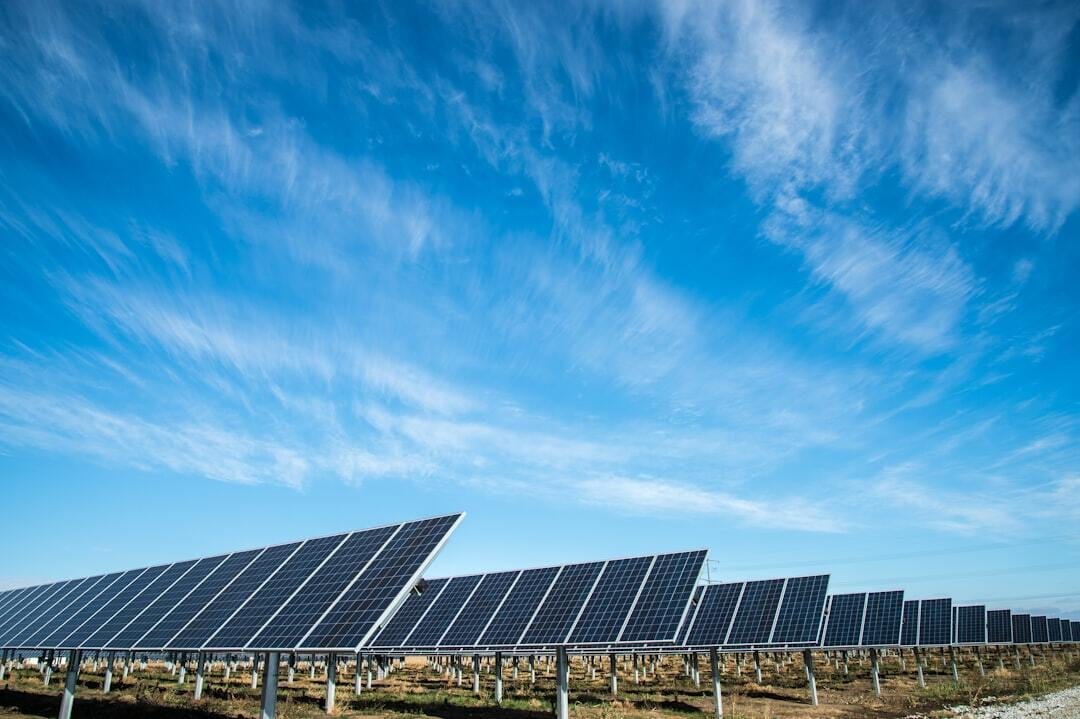
Photo by American Public Power Association on Unsplash
Opportunities: Growth Vectors Through 2026 and Beyond
Explosive AI and Data Center Power Demand
Artificial intelligence applications and data center expansion create unprecedented electricity demand growth that fundamentally alters the power sector outlook. According to Pew Research, data centers accounted for 4% of total U.S. electricity use in 2024, with demand expected to more than double by 2030.
The International Energy Agency projects global electricity consumption for data centers will reach approximately 945 terawatt-hours by 2030, surpassing the combined current usage of Germany and France. This represents more than double the 415 terawatt-hours consumed in 2024. AI model training and inference require significantly more energy per square foot than traditional data center operations, intensifying power density requirements.
DATA CENTER ENERGY DEMAND PROJECTIONS
2024
2030
Growth
U.S. Data Center Load (GW)
~50
106-134
+112-168%
Global Data Center Consumption (TWh)
415
945
+128%
U.S. Share of Total Electricity
4%
8-10%
Double
Major technology companies recognize they cannot meet sustainability commitments while powering AI expansion through fossil fuels alone. Microsoft, Meta, Google, and Amazon have collectively announced nuclear power partnerships to secure clean baseload electricity for data centers. These companies require 24/7 power availability that intermittent renewables cannot independently provide, positioning nuclear as the optimal solution.
Microsoft SWOT Analysis (2025)
www.deepresearchglobal.com/p/microsoft-swot-analysis

www.deepresearchglobal.com/p/meta-swot-analysis

www.deepresearchglobal.com/p/alphabet-swot-analysis

www.deepresearchglobal.com/p/amazon-swot-analysis

Constellation’s nuclear fleet provides the exact characteristics data center operators require: carbon-free, reliable, baseload power with predictable costs over multi-decade contract periods. The company can offer dedicated reactor output, as demonstrated with Microsoft and Meta, or supply power through grid connections for facilities preferring market-based arrangements. This flexibility positions Constellation to capture substantial data center growth.
The U.S. government’s data center energy requirements present additional opportunities. The GSA contract demonstrates federal agencies’ nuclear power appetite for mission-critical operations. As government AI adoption accelerates for defense, intelligence, and civilian applications, additional procurement opportunities will emerge for suppliers offering secure, domestic, carbon-free power.
Clean Energy Policy Support and Carbon Pricing
Federal and state policies increasingly favor carbon-free generation through various mechanisms that enhance nuclear economics. The Inflation Reduction Act’s Production Tax Credit (PTC) for existing nuclear facilities provides $15 per megawatt-hour for qualifying generation, creating meaningful revenue enhancements. Constellation benefits from these credits across its nuclear fleet, improving project economics for license extensions and uprates.
Zero Emission Credit programs in Illinois and New York compensate nuclear facilities for their environmental attributes, recognizing the value of carbon-free generation beyond wholesale power markets. While New Jersey’s ZEC program concluded in May 2025, the Illinois program continues providing support, with ZEC prices averaging $1.17 per MWh in Q3 2025. These state-level mechanisms stabilize revenue and recognize nuclear power’s environmental benefits.
Corporate carbon reduction commitments create demand for emissions-free electricity certificates and long-term clean energy contracts. As more Fortune 500 companies establish science-based targets aligned with 1.5°C pathways, they require credible decarbonization solutions for Scope 2 emissions from electricity consumption. Constellation’s carbon-free generation enables these companies to meet commitments while maintaining operational reliability.
Potential federal carbon pricing mechanisms could substantially enhance nuclear economics relative to fossil fuel generation. While comprehensive carbon pricing legislation faces political obstacles, sectoral approaches or border adjustment mechanisms may emerge. Any carbon price above $20-30 per ton significantly advantages nuclear and renewable generation versus natural gas, improving Constellation’s competitive position.
Small Modular Reactor Development and Commercialization
Small Modular Reactors represent nuclear technology’s next generation, offering potential advantages in deployment speed, capital efficiency, and siting flexibility compared with traditional large reactors. The U.S. Department of Energy has accelerated SMR development, announcing in August 2025 that it selected 10 companies to advance commercialization with a target of operational units by mid-2026.
Constellation filed an application with the NRC in January 2025 to develop an SMR at its Nine Mile Point facility in New York. The site’s existing nuclear license, grid connection, and trained workforce reduce deployment barriers compared with greenfield locations. SMRs could provide 300-400 megawatts of additional capacity at Nine Mile Point, serving regional load growth while validating the technology for broader deployment.
SMALL MODULAR REACTOR OPPORTUNITY PARAMETERS

Typical SMR Capacity: 50-300 MW per module
Capital Cost: $3,000-5,000 per kW (estimated)
Construction Timeline: 3-5 years (projected)
Deployment Advantage: Existing nuclear sites reduce permitting
Market Application: Data centers, industrial facilities, grid support
The modular construction approach enables factory fabrication of reactor components, potentially reducing costs and improving quality control compared with field construction. Once certified designs achieve commercial scale, serial production could drive substantial cost reductions through learning effects and supply chain optimization.
For Constellation, SMRs offer multiple strategic benefits. The company can deploy units at existing nuclear sites, leveraging infrastructure and expertise while avoiding greenfield site identification challenges. SMRs enable right-sized capacity additions to match specific customer needs, particularly for data centers seeking dedicated power supplies. The technology also provides geographic diversification opportunities, as smaller reactors can site in locations unable to accommodate large nuclear facilities.
Industry momentum behind SMRs continues building. According to the Nuclear Energy Institute, multiple states have enacted legislation to streamline SMR permitting and site identification. This regulatory progress reduces deployment timelines and political risk, improving investment returns for early movers like Constellation.
Industrial Electrification and Manufacturing Reshoring
Beyond data centers, broader electrification trends across transportation, heating, and industrial processes drive electricity demand growth. The 2026 Power and Utilities Industry Outlook from Deloitte projects industrial electrification could add 25 gigawatts of demand by 2030, on top of household and commercial growth.
Electric vehicle adoption accelerates transportation sector electrification, requiring substantial charging infrastructure and grid capacity. While individual EV charging represents modest load, fleet electrification for commercial transportation creates concentrated demand. Constellation can provide dedicated circuits or behind-the-meter generation for large fleet operators, logistics facilities, and public transit agencies pursuing electrification.
Industrial heat processes represent another electrification opportunity as manufacturers seek to decarbonize operations. Hydrogen production through electrolysis, industrial steam generation, and high-temperature processes traditionally relied on natural gas or coal. Clean electricity from Constellation’s nuclear fleet enables emissions reductions while maintaining process reliability that intermittent renewables cannot guarantee.
Manufacturing reshoring driven by supply chain resilience concerns and policy incentives creates new domestic electricity demand. Semiconductor fabrication, battery production, and pharmaceutical manufacturing require substantial power with exacting reliability standards. These industries value nuclear power’s 24/7 availability and immunity to weather-related disruptions, creating partnership opportunities for Constellation.
The CHIPS and Science Act incentivizes domestic semiconductor production, with multiple new fabrication facilities under development. According to ICF, U.S. electricity demand is expected to grow 25% by 2030 and 78% by 2050 from 2023 levels, with industrial electrification representing a significant component. Constellation’s proximity to Mid-Atlantic and Midwest manufacturing regions positions the company to capture this growth.
Threats: External Challenges and Risk Factors
Renewable Energy Cost Competitiveness and Technological Disruption
Wind and solar power costs have declined dramatically over the past decade, with utility-scale solar photovoltaic costs falling approximately 90% since 2010. Combined with improving battery storage economics, renewable energy increasingly competes on price with traditional baseload generation for long-term power purchase agreements.
According to the World Nuclear Performance Report 2025, rising electricity demand continues to outpace clean energy supply additions. However, renewables have captured the majority of new capacity additions, with solar and wind dominating investment flows. While nuclear provides unique reliability attributes, price-sensitive buyers may favor lower-cost renewable alternatives supplemented by storage.
Battery storage technological advancement enables renewable energy to provide firm capacity previously requiring fossil fuels or nuclear. Lithium-ion battery costs have decreased by approximately 97% since 1991, transforming storage from a niche application to mainstream grid infrastructure. As storage duration extends from 4 hours to 8-12 hours and costs continue declining, renewables plus storage can substitute for baseload generation in more applications.
LEVELIZED COST COMPARISON ($/MWh)
Nuclear
Solar + Storage
Wind + Storage
New Build (estimated 2025)
$140-180
$80-120
$90-130
Existing Asset LCOE
$30-40
$20-35
$25-40
While Constellation’s existing nuclear assets enjoy low marginal costs, new nuclear construction faces economic headwinds against renewables. The Three Mile Island restart and potential SMR deployments must demonstrate competitive economics versus renewable alternatives to justify capital allocation. If battery storage costs decline more rapidly than anticipated, the economic advantage of baseload nuclear versus renewable-plus-storage narrows.
Virtual power plants aggregating distributed energy resources represent another technological challenge to centralized generation. As rooftop solar, home batteries, and demand response capabilities proliferate, utilities and grid operators can access flexible capacity without building new central station plants. While nuclear remains superior for large baseload requirements, distributed resources erode certain market segments.
Regulatory and Political Uncertainty
Nuclear power’s future depends significantly on regulatory frameworks and political support that can shift based on elections, policy priorities, and public sentiment. While current federal policy supports nuclear through production tax credits and loan programs, future administrations might redirect clean energy support toward renewables exclusively.
The Nuclear Regulatory Commission’s licensing processes create execution risk for expansion projects. According to Reuters reporting, Constellation submitted a 612-page application to resume power operations at Three Mile Island in July 2025, initiating a multi-year regulatory review. License extensions, restarts, and new construction all require extensive NRC review, creating timeline and cost uncertainty.
State-level policy changes directly impact economics for facilities in those jurisdictions. The conclusion of New Jersey’s ZEC program eliminated revenue support for Salem Generating Station, demonstrating how state policy shifts affect operations. Other states with Constellation facilities could modify nuclear support programs based on political considerations, budget constraints, or changing generation mix priorities.
POLITICAL AND REGULATORY RISK FACTORS

Federal Policy Shifts: Changes in nuclear support programs
State-Level Variation: ZEC program modifications or eliminations
NRC Licensing Delays: Extended review periods for projects
Public Opinion: Community opposition to extensions or restarts
Spent Fuel Policy: Continued absence of permanent repository
Anti-nuclear activism, while less prominent than in previous decades, maintains capacity to delay or oppose specific projects. Community concerns about safety, waste storage, or property values can influence local permitting processes. While Constellation’s operational record demonstrates safety, high-profile incidents at nuclear facilities worldwide can shift public perception rapidly.
Environmental permitting for cooling water systems and other operational aspects creates additional regulatory touchpoints. The Conowingo Dam settlement in September 2025, while ultimately successful, required extensive negotiations with state environmental regulators and environmental groups. Similar challenges could emerge at other facilities seeking license extensions or operational modifications.
Natural Disaster and Climate Change Impacts
Nuclear facilities’ coastal and riverine locations for cooling water access create exposure to climate change impacts including sea-level rise, extreme weather events, and water temperature increases. Severe storms, flooding, and heat waves can affect operations and require additional protective investments.
The 2011 Fukushima Daiichi accident in Japan, triggered by earthquake and tsunami, demonstrated how natural disasters can cascade into nuclear incidents. While U.S. reactor designs and emergency preparedness differ from Fukushima, the incident heightened regulatory requirements and public concerns about natural disaster resilience. Post-Fukushima safety enhancements required substantial industry investments, and future regulatory requirements could impose additional costs.
Extreme heat events affect nuclear plant operations by reducing cooling efficiency and potentially requiring power reductions. As average temperatures rise and heatwaves intensify, thermal limitations could constrain generation during periods of peak demand. This creates ironic challenges where power demand spikes precisely when nuclear output faces constraints.
Drought conditions threaten water availability for cooling, particularly for inland facilities using river water. Extended droughts in the Southeast, Midwest, or other regions could force nuclear plants to reduce generation or shut down temporarily. Climate projections suggest more frequent and severe droughts in many U.S. regions, creating long-term operational risk.
Conversely, flooding events from intense precipitation or storm surge threaten facilities’ physical security. Nuclear plants incorporate substantial flood protection, but extreme events exceeding design basis could create emergency situations. Climate change increases tail risk of beyond-design-basis events that stress engineering and emergency response capabilities.
Competitive Threats from Other Generation Companies
Constellation faces competition from other nuclear operators, independent power producers, and utility-scale renewable developers for corporate and government contracts. Several trends intensify competitive pressures across the power generation sector.
Vistra Energy operates substantial nuclear capacity alongside natural gas and renewable assets, creating direct competition in multiple regions. Public Service Enterprise Group maintains nuclear facilities in the Mid-Atlantic, competing for regional contracts. As nuclear power’s value proposition gains recognition, these competitors will pursue similar strategies to secure long-term agreements with data center operators and corporations.
Independent power producers with diversified portfolios can offer bundled solutions combining baseload, peaking, and renewable generation that meet customers’ varied needs.
NextEra Energy, the nation’s largest renewable energy producer, can provide comprehensive clean energy solutions potentially more appealing than nuclear-focused offerings. As renewable costs decline and storage improves, bundled renewable products compete more effectively against nuclear baseload.
Merchant generator challenges intensify in restructured power markets where generation competes in wholesale markets. While Constellation benefits from long-term contracts insulating operations from market volatility, uncontracted capacity remains exposed to power price fluctuations. Natural gas price movements, renewable energy additions, and demand variations all impact wholesale electricity prices and merchant generation profitability.
The pending Calpine acquisition, while expanding Constellation’s capabilities, requires successful integration of 7,000 employees and complex operational assets. Integration challenges, cultural differences, or operational disruptions during transition could distract management and impair near-term performance. The Department of Justice’s required divestitures of four Mid-Atlantic generation assets reduce the transaction’s strategic benefits while maintaining integration complexity.
Strategic Implications for Investors
Investment Thesis and Value Proposition
Constellation Energy presents a unique investment opportunity within the clean energy transition. The company provides exposure to accelerating electricity demand growth, particularly from AI and data centers, while offering downside protection through stable, contracted nuclear generation. This combination of growth and stability differentiates Constellation from pure-play renewable developers with higher growth but greater volatility, and traditional utilities with stable but limited growth prospects.
The nuclear fleet’s carbon-free profile aligns with long-term decarbonization imperatives while providing baseload reliability that intermittent renewables cannot independently deliver. As power markets increasingly value 24/7 clean energy, Constellation’s nuclear assets gain competitive advantage. Long-term contracts with creditworthy counterparties (Microsoft, Meta, U.S. government) provide revenue visibility and reduce merchant market exposure.
License extensions and capacity uprates offer high-return organic growth opportunities. Extending reactor operating lives from 60 to 80 years dramatically improves return on invested capital with relatively modest incremental investment. Similarly, power uprates increase capacity without proportional cost increases, enhancing returns. These opportunities enable growth without execution risk of new construction.
The company’s financial position supports capital allocation flexibility. With narrowed 2025 earnings guidance of $9.05-$9.45 per share and operating cash flows supporting capital expenditures, Constellation can fund growth investments while returning capital to shareholders. The balance sheet provides capacity to pursue strategic acquisitions or expand contract portfolios without compromising financial flexibility.
Risk Assessment and Mitigation Strategies
Investors should recognize that nuclear power exposure creates regulatory and operational risks absent from other generation types. The NRC’s extensive oversight, spent fuel storage challenges, and potential public opposition require ongoing management attention. However, Constellation’s operational track record and safety culture mitigate these concerns relative to less experienced operators.
Capital intensity remains a consideration for investors evaluating cash flow generation and dividend sustainability. Nuclear assets require continuous investment in maintenance, refueling, and safety systems. While these investments preserve long-term value, they constrain near-term free cash flow relative to less capital-intensive businesses. Investors should evaluate Constellation’s capital allocation decisions and expect ongoing significant capital expenditures.
The Calpine acquisition integration presents execution risk that could affect near-term performance. While the strategic rationale appears sound, realizing projected synergies requires successful operational integration and achieving regulatory objectives. Investors should monitor integration progress and management’s execution against stated objectives.
Renewable energy competitive dynamics create long-term uncertainty about nuclear power’s market position. While current conditions favor nuclear for baseload applications, continued battery storage cost reductions could shift economics. Investors should assess whether Constellation’s contracted position and operational advantages sustain competitive positioning as technology evolves.
My Final Thoughts
Constellation Energy Corporation occupies a unique position in the U.S. energy sector as demand fundamentals shift dramatically due to artificial intelligence, data centers, and clean energy mandates. The company’s unmatched nuclear fleet provides carbon-free, baseload generation that meets customer requirements for reliability, sustainability, and predictable long-term costs.
Major contracts with Microsoft, Meta, and the U.S. government validate nuclear power’s value proposition while providing multi-year revenue visibility.
The investment case centers on Constellation’s ability to capitalize on structural electricity demand growth while operating assets that competitors cannot replicate. License extensions and capacity uprates enable high-return organic growth without new construction risk. The pending Calpine acquisition expands capabilities and geographic reach, positioning Constellation as a comprehensive energy solutions provider.
However, investors must weigh these strengths against meaningful challenges.
Capital intensity, regulatory complexity, renewable energy competition, and integration execution risk require careful consideration. The nuclear waste storage problem remains unresolved, creating ongoing operational and political challenges. Technological disruption from battery storage and distributed energy resources could erode certain competitive advantages over time.
For investors with conviction in nuclear power’s role in the clean energy transition and confidence in Constellation’s operational excellence, the company offers compelling exposure to secular growth trends.
The combination of stable contracted revenue, organic growth opportunities, and positioning for AI-driven electricity demand creates a differentiated investment opportunity within the energy sector.
As the nation navigates energy transition challenges while meeting reliability and affordability objectives, Constellation’s nuclear fleet will remain an essential component of America’s clean energy infrastructure through 2026 and far beyond.
Disclaimer: This analysis is for informational purposes only and should not be construed as investment advice. Investors should conduct their own due diligence and consult with financial advisors before making investment decisions.