ExxonMobil - SWOT Analysis Report (2026)

ExxonMobil Corporation $XOM ( ▲ 0.63% ) stands as one of the world’s most influential energy companies, maintaining its position as a global leader in oil and gas production while navigating the complexities of energy transition.

For investors evaluating the company’s prospects for 2026 and beyond, understanding the multifaceted strategic environment becomes essential.

This analysis examines the strengths that fortify ExxonMobil’s market position, weaknesses that demand attention, opportunities for growth, and threats that could reshape its trajectory.

Let’s get started.

Table of Contents
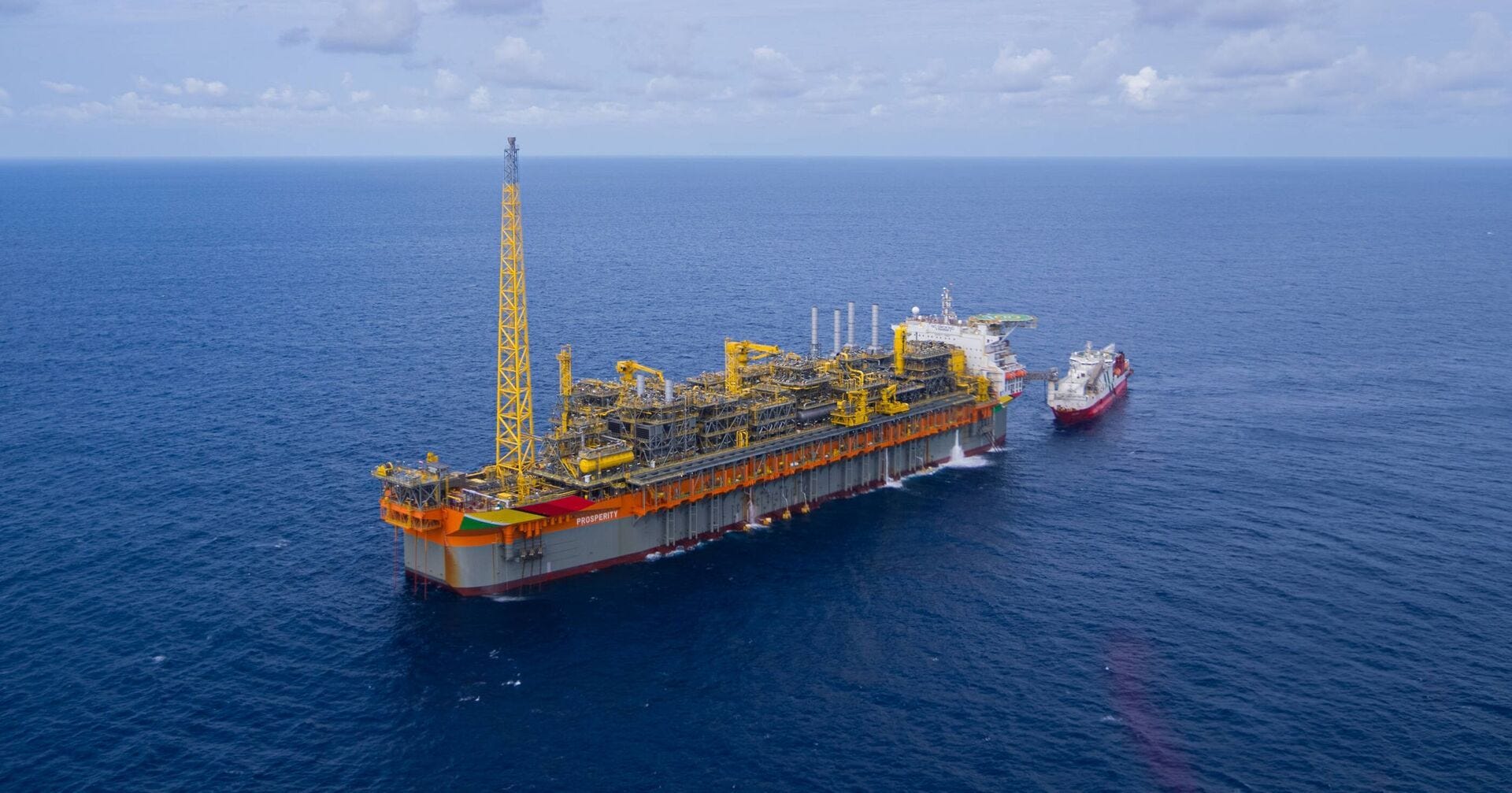
Image source: corporate.exxonmobil.com

Financial Performance Foundation: Recent Results and Momentum

ExxonMobil’s financial performance through 2025 demonstrates the resilience of its integrated business model. The company reported third-quarter 2025 earnings of $7.5 billion, translating to $1.76 per share assuming dilution. Cash flow from operating activities reached $14.8 billion, with free cash flow of $6.3 billion. These figures exceed analyst expectations, with the company delivering an earnings per share of $1.88 versus the anticipated $1.82.

For the year-to-date period through Q3 2025, ExxonMobil achieved net production of 4.7 million oil-equivalent barrels per day. Revenue for the twelve months ending September 30, 2025 totaled $333.356 billion, representing a 4.89% decline year-over-year but maintaining substantial scale that few competitors can match.

ExxonMobil 2025 Financial Highlights (Q3)

Metric              Q3 2025 Value    Performance vs. Estimates
-----------------------------------------------------
Earnings             $7.5 billion    Beat expectations
EPS (diluted)        $1.88         +3.3% vs. consensus ($1.82)
Operating Cash Flow  $14.8 billion   Strong generation
Free Cash Flow       $6.3 billion    Robust liquidity
Revenue              $85.29 billion  Slightly below forecast

The company maintained its commitment to shareholder returns, distributing $9.4 billion in Q3 2025 alone through dividends and share buybacks. The fourth-quarter dividend increased by 4% to $1.03 per share, marking the 43rd consecutive year of dividend growth. This track record of consistent distributions remains a cornerstone of ExxonMobil’s investment appeal.

Strengths: The Pillars of Competitive Advantage

Unmatched Scale and Integration

ExxonMobil’s integrated business model creates synergies that smaller competitors cannot replicate. The company operates across the entire value chain, from exploration and production through refining, chemicals, and retail distribution. This integration provides operational flexibility and cushions against commodity price volatility in ways that pure-play upstream or downstream operators cannot achieve.

The company’s market capitalization of $487.54 billion positions it substantially ahead of competitors. Chevron follows at $317.78 billion, Shell at $224.50 billion, and other rivals trail further behind. This financial strength enables capital deployment at a scale that shapes global energy markets.

Company

Market Capitalization

Global Position

ExxonMobil

$487.54 billion

Industry Leader

Chevron

$317.78 billion

Strong Second

Shell

$224.50 billion

Major Competitor

TotalEnergies

$138.61 billion

European Leader

BP

Comparable to Shell

Restructuring Phase

Strategic Asset Base with High-Return Projects

ExxonMobil’s asset portfolio concentrates on high-return opportunities that generate superior financial performance. The Permian Basin operations achieved nearly 1.7 million oil-equivalent barrels per day in Q3 2025, establishing another quarterly production record. The company plans to double this output to approximately 2.3 million barrels per day by 2030.
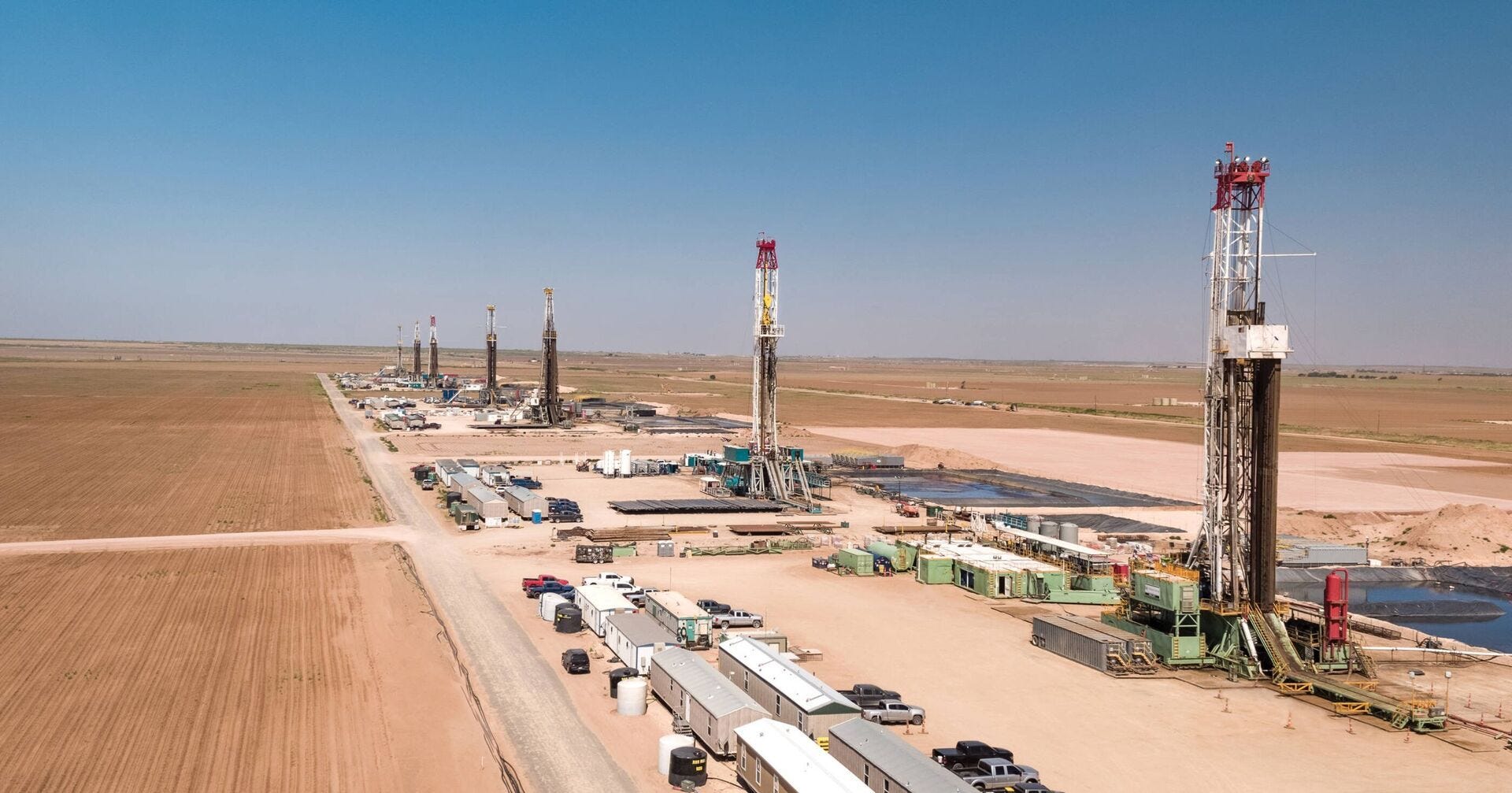
Image source: corporate.exxonmobil.com

In Guyana, production has reached 900,000 barrels per day from the Stabroek block, with plans to achieve 1.7 million barrels by 2030. The Yellowtail project, the fourth development in this prolific basin, commenced production in August 2025, four months ahead of schedule. The $6.8 billion Hammerhead project received government approval in September 2025, with first oil expected in 2029.

These world-class assets operate at the low end of the global cost curve, providing resilience during price downturns and exceptional profitability during favorable market conditions.

Pioneer Acquisition Synergies Exceeding Expectations

The integration of Pioneer Natural Resources, completed in May 2024, continues delivering results that surpass initial projections. ExxonMobil now expects to achieve more than $3 billion in annual synergies, representing a 50% increase over the original $2 billion target announced at the deal’s inception.

Pioneer Acquisition Synergy Evolution

Original Target (2023)              $2.0 billion annually
Revised Target (December 2024)      $3.0 billion annually
Improvement                         +50% ($1.0 billion additional)

Synergy Sources:
- Operational efficiency gains
- Technology application across expanded acreage
- Consolidated infrastructure utilization
- Enhanced drilling and completion techniques
- Reduced corporate overhead

The acquisition doubled ExxonMobil’s existing Permian footprint, creating a consolidated operation with unmatched scale advantages. The company’s proprietary lightweight proppant technology and advanced recovery techniques now extend across this enlarged acreage, driving production rates higher while reducing costs.

Technology Leadership and Innovation Capabilities

ExxonMobil’s research and development investments position it at the forefront of petroleum engineering innovation. The company has achieved $13.5 billion in cumulative structural cost reductions by October 2025, outpacing international oil company peers through operational excellence and technological advancement.

Key technological differentiators include:

Advanced Drilling and Completion Systems: Partnership with Microsoft utilizing Azure IoT and machine learning has increased Permian production by 50,000 barrels of oil equivalent per day through 2025.

Proxxima Technology: This enhanced oil recovery technique increases resource extraction from existing reservoirs, materially boosting recoverable reserves without requiring new field development.

Carbon Capture Capabilities: ExxonMobil operates the world’s largest carbon capture capacity, having captured approximately 9 million tonnes of CO2 annually. The company holds 35% of global carbon capture capacity, positioning it to capitalize on emerging decarbonization markets.

Diversified Revenue Streams Through Downstream Integration

While upstream operations attract primary investor attention, ExxonMobil’s downstream and chemical businesses provide crucial earnings stability. The company’s refining network processes crude oil into higher-value products, while the chemical business serves growing demand for plastics and specialty materials.

This integration proved particularly valuable during 2025 when chemical margins faced pressure from various market factors. The ability to optimize across the entire value chain, selecting which products to produce based on relative economics, creates flexibility that pure-play operators lack.

Financial Discipline and Capital Allocation Excellence

ExxonMobil’s capital allocation framework prioritizes high-return investments while maintaining financial flexibility. For 2025, the company invested $27-$29 billion, with plans for $28-$33 billion annually from 2026-2030. This disciplined approach contrasts with the boom-bust spending patterns that plagued the industry in previous decades.

The company’s shareholder return program demonstrates commitment to value creation. Through Q3 2025, ExxonMobil returned $27.8 billion to shareholders, including $12.9 billion in dividends and $14.9 billion in share repurchases. Since December 2021, the company has bought back over 626.91 million shares totaling $66.55 billion, systematically reducing share count while increasing per-share metrics.

Weaknesses: Areas Requiring Strategic Attention

Exposure to Commodity Price Volatility

Despite integration benefits, ExxonMobil remains fundamentally exposed to oil and natural gas price fluctuations. The company’s earnings sensitivity to commodity prices creates periodic performance volatility that impacts investor sentiment and financial results.

Global oil markets face a significant supply surplus projected for 2026, with estimates ranging from 0.5 to 4.2 million barrels per day of excess supply. The International Energy Agency forecasts oil demand rising by 770,000 barrels per day in 2026, but production increases outpace this growth. Brent crude oil prices are projected to average around $66 per barrel in 2025 and $58 per barrel in 2026, well below recent historical averages.

Year

Projected Brent Price

Market Conditions

Impact on Margins

2023

~$85/bbl

Balanced supply-demand

Strong profitability

2024

~$75/bbl

Modest oversupply

Healthy margins

2025

~$66/bbl

Growing oversupply

Compressed margins

2026

~$58/bbl

Significant oversupply

Margin pressure

Lower prices directly impact upstream profitability, reducing the economic returns from even the most efficient operations. This fundamental market exposure cannot be eliminated, only managed through operational excellence and portfolio diversification.

Energy Transition Positioning Relative to European Majors

Compared to European integrated oil companies like BP and Shell, ExxonMobil has pursued a more gradual approach to renewable energy investments. The company focuses its transition strategy on carbon capture, hydrogen, and biofuels rather than large-scale renewable electricity generation.

While this strategy aligns with ExxonMobil’s core competencies and may prove financially superior long-term, it creates perception challenges among some investor segments prioritizing rapid decarbonization. The company’s $30 billion lower-emission investment plan for 2025-2030 represents substantial commitment, but skeptics question whether this pace matches societal expectations.

Recent developments compound these concerns. In late November 2025, ExxonMobil decided to “pace” spending on low-carbon projects citing disappointing customer demand and uncertain government policies. The company halted plans for a massive low-carbon hydrogen facility in Texas, reflecting challenges in commercializing emerging technologies without supportive policy frameworks.

Geographic Concentration Risks in Key Assets

While ExxonMobil operates globally, several crown jewel assets concentrate in specific geographies, creating concentration risk. Guyana, despite its extraordinary resource quality, represents a single-country exposure with potential political, regulatory, and operational vulnerabilities.

The Permian Basin, though located in the politically stable United States, faces water availability constraints, infrastructure bottlenecks, and regulatory pressures on methane emissions and flaring. Any significant operational disruptions in these core areas would materially impact company-wide production and earnings.

Environmental Liabilities and Litigation Exposure

As a major fossil fuel producer, ExxonMobil faces ongoing environmental litigation and potential future liabilities. Climate-related lawsuits from states, municipalities, and advocacy groups seek damages and behavioral changes. While the company vigorously defends its positions, these legal challenges create uncertainty and potential financial exposure difficult to quantify precisely.

Legacy site remediation, operational spills, and emissions-related penalties represent continuing cost burdens. As environmental regulations tighten globally, compliance costs will likely increase, potentially disadvantaging fossil fuel operations relative to lower-carbon alternatives.

Cyclical Nature of Chemical Business

ExxonMobil’s chemical segment faces its own set of challenges distinct from upstream oil and gas. Chemical margins correlate with economic growth cycles, and 2025 saw weak performance across the sector. Global economic uncertainty, particularly in China and Europe, reduces demand for petrochemical products.

Image source: corporate.exxonmobil.com

The company recently completed the sale of its French refinery and chemicals business and is considering divesting European chemical plants in the UK and Belgium. These moves reflect the challenging economics of mature market chemical operations, though they also demonstrate management’s willingness to exit underperforming assets.

Opportunities: Pathways to Value Creation

LNG Market Growth and Infrastructure Expansion

Global liquefied natural gas demand presents one of the most compelling growth opportunities for ExxonMobil. The company operates four major LNG projects in progress and plans to double its global LNG supply portfolio by 2030 compared to 2020 levels.

The $10+ billion Golden Pass LNG terminal in Texas, a joint venture with QatarEnergy, is on track to become operational by the end of 2025. This massive facility will add substantial export capacity, positioning the United States to serve growing Asian and European markets seeking alternatives to pipeline gas.

In Mozambique, ExxonMobil lifted force majeure on the Rovuma LNG project in November 2025, signaling renewed progress after years of security-related delays. The company expects to make a final investment decision in 2026, with first LNG targeted for 2030. The $30 billion project would add 18 million tonnes per annum of capacity, representing a major growth driver for the next decade.

ExxonMobil LNG Portfolio Expansion

Current Capacity (2025):         ~35 million tonnes/year
Planned Additions by 2030:
  Golden Pass (Texas):           ~18 million tonnes/year
  Rovuma LNG (Mozambique):       ~18 million tonnes/year
  Other projects:                ~5-10 million tonnes/year

Total 2030 Capacity Target:      ~75+ million tonnes/year
Portfolio Growth:                +100% vs. 2020

Image source: corporate.exxonmobil.com

Natural gas consumption is projected to increase 20% by 2030 as countries seek cleaner alternatives to coal and reliable baseload power to complement intermittent renewables. ExxonMobil’s scale advantages in LNG infrastructure, shipping, and global marketing position it to capture disproportionate value from this secular growth trend.

Carbon Capture and Storage Commercialization

ExxonMobil’s leadership in carbon capture and storage technology creates monetization opportunities as governments and corporations intensify decarbonization efforts. The company’s Low Carbon Solutions business pursues up to $30 billion in opportunities from 2025-2030, with approximately 65% directed toward reducing third-party emissions.

Major developments include:

LaBarge Expansion: The $400 million CCS expansion at the Wyoming facility, operational in 2025, reduces site emissions by 1.2 million tonnes annually while improving project economics through CO2 sales for enhanced oil recovery.

Houston Ship Channel Hub: ExxonMobil is developing infrastructure to capture and store CO2 from industrial facilities along the Texas coast, targeting the largest U.S. carbon storage project. This hub-and-spoke model allows multiple emitters to share transportation and storage infrastructure, reducing per-tonne costs.

Power Sector Partnerships: In October 2025, CEO Darren Woods revealed plans to power data centers with natural gas combined with carbon capture, targeting 90% CO2 emissions reduction. The explosive growth of artificial intelligence-driven data centers creates substantial demand for reliable baseload power, and ExxonMobil’s integrated solution addresses both reliability and emissions concerns.

Lithium Business and Energy Storage Materials

ExxonMobil’s entry into lithium extraction represents a strategic diversification into energy transition minerals. The company is drilling wells in southwest Arkansas, targeting lithium-rich brines in the Smackover Formation. Using proprietary direct lithium extraction (DLE) technology, ExxonMobil aims to become a leading North American lithium supplier by 2030.

The company signed a long-term supply agreement with SK On to provide lithium for electric vehicle battery production. After 2025, SK On’s U.S. production capacity alone will exceed 180 GWh, sufficient to power approximately 1.7 million EVs annually.

This vertical integration into battery materials creates new revenue streams while leveraging ExxonMobil’s subsurface expertise and chemical processing capabilities. As electric vehicle adoption accelerates, particularly in commercial transportation, demand for battery-grade lithium carbonate is projected to grow substantially through 2030 and beyond.

Additionally, ExxonMobil developed a new graphite molecule claimed to extend EV battery life by up to 30%. This materials science innovation could command premium pricing and strengthen relationships with battery manufacturers seeking performance advantages.

Hydrogen Economy Participation

Low-carbon hydrogen represents a potential bridge fuel for hard-to-decarbonize sectors including heavy industry, shipping, and aviation. ExxonMobil’s expertise in large-scale gas processing and chemical production positions it to participate in hydrogen value chains.

The company formed a strategic collaboration with BASF in November 2025 to advance methane pyrolysis technology for producing hydrogen without CO2 emissions. The partnership plans to scale up demonstration facilities at ExxonMobil’s Baytown, Texas petrochemical complex.

In May 2025, Marubeni agreed to acquire an equity stake in ExxonMobil’s low-carbon hydrogen and ammonia facility while committing to long-term ammonia offtake. This project structure, combining equity participation with product purchase agreements, validates commercial viability and shares development risk.

While near-term hydrogen economics remain challenging without substantial policy support, ExxonMobil’s early positioning creates optionality for future monetization as technology costs decline and carbon prices potentially increase.

Further Permian Optimization and Technology Application

The Permian Basin’s vast remaining resource base provides decades of development runway. ExxonMobil has increased estimated recoverable resources through technology application, and continues finding ways to extract more hydrocarbons from existing acreage.

Advanced drilling techniques including longer laterals, tighter well spacing, and enhanced completion designs steadily improve well economics. Machine learning applications optimize drilling parameters in real-time, reducing non-productive time and improving penetration rates.

The company’s pace of innovation suggests that production per acre will continue increasing, effectively growing reserves without requiring additional land acquisition. This organic growth through technology application generates exceptional returns on invested capital since infrastructure already exists.

Threats: Risks to Strategic Execution

Accelerating Energy Transition and Demand Peak Concerns

The fundamental threat facing all oil and gas companies involves potential peak oil demand scenarios materializing faster than currently projected. While most forecasts, including ExxonMobil’s own Global Outlook, anticipate growing energy consumption through 2040, the composition of that energy mix remains subject to debate.

Electric vehicle penetration, renewable electricity generation, and energy efficiency improvements could reduce oil demand growth more rapidly than mainstream projections indicate. The International Energy Agency’s World Energy Outlook 2025 presents multiple scenarios with widely varying fossil fuel consumption trajectories.

If demand peaks sooner than expected, ExxonMobil’s massive upstream investments face stranded asset risk. Projects with decades-long production profiles might not generate anticipated returns if demand erosion accelerates in the 2030s or beyond.

Regulatory and Policy Risks Across Multiple Jurisdictions

Operating in over 200 countries and territories exposes ExxonMobil to diverse and changing regulatory environments. Climate policies, carbon pricing, emissions standards, and operational restrictions vary dramatically across jurisdictions and evolve unpredictably based on political developments.

In the United States, the Environmental Protection Agency issued and then delayed implementation of stricter methane emission standards for the oil and gas industry. These regulatory fluctuations create planning uncertainty and compliance costs.

European operations face increasingly stringent environmental requirements, contributing to ExxonMobil’s reorganization of EU and Norway activities announced in September 2025. The company is streamlining its European footprint in response to challenging market conditions and regulatory burdens.

Emerging markets present different risks including resource nationalism, contract sanctity concerns, and political instability. The years-long force majeure in Mozambique demonstrates how security situations can delay billions of dollars in investments.

Intensifying Competition from National Oil Companies

State-owned oil companies control approximately 90% of global oil reserves, and many are expanding production capacity. Saudi Aramco, with its market capitalization exceeding $2 trillion, possesses unmatched scale and some of the world’s lowest-cost resources.

These national champions often operate with different objectives than publicly-traded international oil companies. They may prioritize production volumes and domestic employment over pure financial returns, potentially flooding markets during periods when economic rationality would suggest curtailing output.

Additionally, national oil companies are increasingly developing in-house technical capabilities and forging direct relationships with end-users, reducing their reliance on international majors for technology, project management, and global marketing. This disintermediation trend could compress margins for service-oriented activities where ExxonMobil historically generated value.

Climate Activism and Social License to Operate

Investor activism, shareholder proposals, and public pressure campaigns targeting fossil fuel companies have intensified. While ExxonMobil successfully defended against the most aggressive shareholder proposals in recent years, maintaining social license to operate requires continuous engagement and credible transition planning.

Universities, pension funds, and sovereign wealth funds face pressure to divest from fossil fuel holdings or implement stringent ESG screening. If major institutional investors systematically reduce oil and gas exposure, it could create persistent selling pressure on ExxonMobil shares and raise the company’s cost of capital.

Banks and capital markets also face pressure to restrict financing for fossil fuel projects. While ExxonMobil’s strong balance sheet reduces dependence on external financing, tightening capital availability across the sector could impact partner companies, service providers, and smaller competitors in ways that reshape competitive dynamics.

Technological Disruption in Transportation and Energy Storage

Breakthroughs in battery technology, hydrogen fuel cells, or alternative transportation modes could accelerate oil demand decline. While current projections suggest internal combustion engines will dominate global vehicle fleets for decades, step-change technological improvements could compress transition timelines.

Similarly, long-duration energy storage solutions that make renewable electricity truly dispatchable would reduce the need for natural gas peaking plants and baseload power. This would undermine the narrative that gas serves as a “bridge fuel” during energy transition, potentially softening LNG demand growth.

ExxonMobil’s significant investments in LNG infrastructure assume sustained demand growth through 2040 and beyond. Technological disruptions that materially alter this trajectory would impair the value of these assets and reduce projected cash flows.

Geopolitical Instability and Energy Security Concerns

Global energy markets remain vulnerable to geopolitical shocks. Conflicts involving major producing regions, sanctions regimes, or deliberate supply disruptions can cause extreme price volatility. While short-term price spikes benefit producers, sustained instability creates planning difficulties and can accelerate policy changes that disadvantage fossil fuels.

The Russia-Ukraine conflict demonstrated how quickly energy trade flows can reconfigure. European efforts to eliminate Russian energy imports fundamentally reshaped global LNG and pipeline gas markets. Future geopolitical developments could similarly disrupt established patterns, creating both risks and opportunities for ExxonMobil’s global operations.

Geopolitical Risk Area

Potential Impact on ExxonMobil

Mitigation Strategies

Middle East Conflicts

Oil price volatility, supply chain disruptions

Geographic diversification, operational flexibility

U.S.-China Relations

Technology access, market access constraints

Compliance programs, relationship management

Resource Nationalism

Contract renegotiation pressure, expropriation risk

Partnership structures, political risk insurance

Sanctions Regimes

Market access limitations, compliance costs

Rigorous legal review, relationship monitoring

Strategic Positioning for 2026 and Beyond

ExxonMobil’s strategy for the coming years balances traditional oil and gas strength with measured participation in energy transition. The company announced plans to invest $28-$33 billion annually from 2026-2030, progressing attractive long-cycle projects while maintaining capital discipline.

Management projects that the 2030 strategy will increase annual earnings by $20 billion and cash flow by $30 billion compared to 2024 levels. This ambitious target relies on successful execution across multiple fronts:

Production Growth: New projects in Guyana, the Permian, and other core areas drive volume increases.

Margin Enhancement: Pioneer synergies, cost reductions, and operational improvements expand profitability per unit.

Portfolio Optimization: Divesting underperforming assets while acquiring strategic additions concentrates capital on highest-return opportunities.

New Business Development: Carbon capture, hydrogen, lithium, and advanced materials create revenue diversification beyond traditional oil and gas.

The company’s integrated model provides resilience across commodity cycles, while technological leadership and financial strength enable value capture that smaller or less-diversified competitors cannot match.

Investment Considerations and Risk-Reward Profile

For investors evaluating ExxonMobil in late 2025 with a view toward 2026 and beyond, several key themes emerge from this SWOT analysis:

Cash Generation Capacity: ExxonMobil’s operations generate substantial free cash flow even in modest commodity price environments. The company’s low-cost asset base, operational excellence, and integrated model support consistent cash returns to shareholders.

Shareholder Distribution Framework: The 43-year dividend growth streak and aggressive share buyback program demonstrate commitment to capital returns. With a current yield around 3.7% plus buybacks, total shareholder yield remains compelling relative to broader equity markets.

Transition Exposure Management: Rather than wholesale business model transformation, ExxonMobil pursues measured diversification into adjacent low-carbon businesses while optimizing its core operations. This approach minimizes near-term earnings disruption while maintaining strategic flexibility.

Valuation Considerations: Compared to historical trading ranges and peer multiples, ExxonMobil often trades at valuations reflecting skepticism about long-term oil and gas demand. However, near-term cash generation capacity may not be fully reflected in current valuation multiples.

Uncertainty Factors: Commodity price trajectories, policy developments, technology evolution, and geopolitical events create substantial outcome variability. These uncertainties are inherent to energy sector investment and cannot be eliminated through analysis alone.

Key Investment Metrics (as of Q3 2025)

Dividend Yield:                  ~3.7%
Dividend Growth (2025):          4% increase
Years of Consecutive Growth:     43 years
Share Buyback (2021-2025):       $66.55 billion
Total Shareholder Distributions: Industry-leading

Projected Returns (2026-2030):
  Earnings Increase Target:      +$20 billion vs. 2024
  Cash Flow Increase Target:     +$30 billion vs. 2024
  Capital Investment:            $28-$33 billion annually

My Final Thoughts: Navigating Complexity in the Energy Sector

ExxonMobil Corporation enters 2026 from a position of financial strength, operational excellence, and strategic clarity about its role in the evolving energy system. The company’s strengths in scale, technology, asset quality, and financial discipline provide competitive advantages that few rivals can match.

Weaknesses center primarily on exposure to commodity price cycles, the pace of energy transition positioning, and the inherent challenges of operating in a sector facing long-term structural questions. These vulnerabilities require ongoing management attention and strategic adaptation.

Opportunities in LNG expansion, carbon services, energy transition minerals, and continued optimization of world-class upstream assets could drive substantial value creation through 2030 and beyond. The company’s capital allocation to these growth areas reflects management confidence in their strategic potential.

Threats from accelerating energy transition, policy changes, technological disruption, and geopolitical instability create downside scenarios that could materially impact long-term returns. Investors must weigh these risks against the near-term cash generation and distribution capacity that remain quite robust.

The energy sector’s evolution through the 2020s and 2030s will profoundly shape ExxonMobil’s fortunes.

The company has positioned itself to remain highly relevant in multiple scenarios, whether oil and gas demand proves more resilient than transition advocates expect, or whether new low-carbon businesses scale faster than skeptics believe possible. This strategic flexibility represents a form of value that traditional financial metrics may not fully capture.

For investors considering ExxonMobil as part of a diversified portfolio, the combination of current cash yields, exposure to both traditional and emerging energy markets, and proven management execution creates a complex but potentially attractive risk-reward profile extending into 2026 and the years beyond.

Reply

or to participate.