

Honeywell International Inc. $HON ( ▲ 0.54% ) is implementing one of the most ambitious restructuring initiatives in recent industrial history.
As investors assess opportunities in the diversified manufacturing space, understanding Honeywell’s strategic positioning through a comprehensive SWOT analysis becomes essential for evaluating its long-term value proposition.
Table of Contents
Honeywell’s journey from a heating controls manufacturer to a global technology powerhouse spanning aerospace, building automation, and industrial solutions demonstrates remarkable corporate evolution.
The company now serves virtually every commercial and defense aircraft platform worldwide while simultaneously powering automation systems in buildings and industrial facilities across the globe.
With the company embarking on a historic separation into three independent entities by 2026, the strategic rationale behind this transformation warrants careful examination.
Key Financial Metrics
Q3 2025 Results
Year-Over-Year Change
Total Sales
$10.4 billion
+7%
Organic Sales Growth
6%
Above guidance
Adjusted Earnings Per Share
$2.82
+9%
Operating Cash Flow
$3.3 billion
+65%
Total Backlog
$39.1 billion
Record high
The third-quarter 2025 results exceeded expectations across multiple metrics, with the company raising its full-year guidance despite completing the spin-off of Solstice Advanced Materials in October 2025.
These results demonstrate operational resilience amid ongoing restructuring activities and provide insight into the underlying business strength across diverse segments.

Image source: aerospace.honeywell.com
Understanding Honeywell’s Business Portfolio
Before conducting a detailed SWOT analysis, investors must understand the breadth and interconnectedness of Honeywell’s operations. The company operates through four primary business segments, each targeting distinct markets with specialized technology solutions.
Aerospace Technologies represents Honeywell’s largest and most profitable division, generating $4.5 billion in Q3 2025 sales with segment margins of 26.1%. This division supplies propulsion systems, avionics, navigation equipment, and auxiliary power systems to virtually every commercial and defense aircraft manufacturer globally. The aerospace backlog reached record levels in 2025, providing substantial revenue visibility extending well into 2026 and beyond.
Building Automation delivered $1.9 billion in Q3 2025 sales with impressive segment margins of 26.7%, reflecting strong demand for intelligent building management systems. This segment provides integrated solutions for heating, ventilation, air conditioning (HVAC), fire safety, security systems, and energy management across commercial, institutional, and residential buildings. The building automation market continues expanding as sustainability requirements and operational efficiency priorities drive adoption.
Industrial Automation encompasses warehouse and workflow solutions, sensing technologies, productivity solutions, and process automation. With $2.3 billion in Q3 2025 sales, this segment demonstrates the company’s diversified exposure to manufacturing, logistics, and industrial processes. The segment includes Honeywell’s advanced technologies for smart energy, thermal solutions, and safety equipment.
Energy and Sustainability Solutions focuses on technologies supporting the energy transition, including sustainable aviation fuel solutions, carbon capture technologies, hydrogen production systems, and advanced materials for refrigerants. This segment generated $1.7 billion in Q3 2025 sales and positions Honeywell at the forefront of industrial decarbonization efforts.
Business Segment
Q3 2025 Sales
Segment Margin
Organic Growth
Primary Markets
Aerospace Technologies
$4.5B
26.1%
+12%
Commercial aviation, defense, space
Building Automation
$1.9B
26.7%
+7%
Commercial buildings, fire safety
Industrial Automation
$2.3B
18.8%
+1%
Warehousing, sensing, process solutions
Energy & Sustainability
$1.7B
24.5%
-2%
Sustainable fuels, carbon capture
Strengths: Foundation for Future Growth
Dominant Market Positions Across Critical Industries
Honeywell maintains leadership positions in multiple high-value markets, providing competitive moats that translate into pricing power and customer loyalty. The company’s aerospace division serves as the primary supplier for avionics, navigation systems, and propulsion components on virtually every commercial aircraft platform, including Boeing 737, Airbus A320, and business jet families from Gulfstream, Bombardier, and Textron.
In building automation, Honeywell, Johnson Controls, and Siemens collectively control approximately 40% of the global market share, with Honeywell particularly strong in North America and Middle Eastern markets. This market concentration enables the company to influence industry standards and maintain premium pricing for integrated solutions.
The defense and space segment achieved its seventh consecutive quarter of double-digit growth in Q3 2025, driven by elevated global defense spending and increasing demand for advanced navigation, communications, and weapons systems. With geopolitical tensions persisting across multiple regions, defense budgets in NATO countries, Asia-Pacific nations, and Middle Eastern states continue expanding, creating sustained demand for Honeywell’s specialized technologies.
Record Backlog Providing Revenue Visibility
Honeywell’s $39.1 billion total backlog represents a critical strength that differentiates the company from peers with shorter order cycles. The aerospace backlog alone provides visibility into 2027 and beyond, with orders growing at double-digit rates throughout 2025. This backlog growth reflects not only recovering commercial aviation demand but also substantial defense contract awards and long-term service agreements.
The book-to-bill ratio of 1.2 across aerospace operations indicates healthy demand dynamics, with orders consistently exceeding current production capacity. For investors, this backlog reduces revenue uncertainty and provides management with planning visibility to optimize supply chain operations, workforce allocation, and capital investment decisions.
AEROSPACE BACKLOG COMPOSITION (APPROXIMATE)

Commercial Aftermarket:        35-40% of backlog
Defense and Space:            30-35% of backlog
Commercial Original Equipment: 25-30% of backlog
Business Aviation:            10-15% of backlog

Book-to-Bill Ratio:           1.2x
Average Contract Duration:    3-5 years
Multi-Year Service Agreements: 60% of aftermarket backlog
Portfolio Transformation Creating Focused Entities
The planned separation into three independent companies represents a strategic strength that should unlock substantial shareholder value.
Following the completed Solstice Advanced Materials spin-off in October 2025, Honeywell will separate Aerospace Technologies in the second half of 2026, creating three specialized companies: Aerospace Technologies, Industrial Automation, and Building Automation (remaining Honeywell entity).
This restructuring addresses investor concerns about conglomerate complexity and enables each business to pursue strategies optimized for their specific markets. The aerospace entity will emerge as one of the largest publicly traded pure-play aerospace suppliers, capable of competing more effectively with specialized peers like Safran, Meggitt (now Parker Aerospace), and Collins Aerospace.
The industrial automation entity gains flexibility to pursue strategic acquisitions and partnerships without conglomerate-level approval processes, while the remaining Honeywell concentrates on building automation and digital transformation.
Activist investors, including Elliott Investment Management, advocated for this restructuring, arguing that specialized entities would trade at higher multiples than the diversified conglomerate. Historical precedents from other industrial break-ups, including United Technologies’ separation into Raytheon Technologies, Otis, and Carrier, demonstrate potential for value creation through focused operations.
Technology Leadership in Sustainable Solutions
Honeywell’s investments in sustainable technology position the company as a critical enabler of industrial decarbonization. The company’s sustainable aviation fuel (SAF) technology has been selected for numerous commercial projects, with the Ecofining process capable of converting agricultural waste, used cooking oil, and other feedstocks into drop-in jet fuel compatible with existing aircraft engines and distribution infrastructure.
Carbon capture technologies from Honeywell address one of the most challenging aspects of industrial decarbonization. The company’s carbon capture solutions are being deployed in fertilizer production, power generation, and industrial manufacturing facilities, with capture rates exceeding 95% and lower capital costs than competing technologies.
Green hydrogen production represents another growth vector, with Honeywell developing advanced catalyst-coated membranes for proton exchange membrane (PEM) electrolyzers. These technologies reduce the cost of green hydrogen production, addressing one of the primary barriers to hydrogen adoption as an industrial fuel and chemical feedstock.
Strong Financial Position Supporting Strategic Flexibility
Honeywell’s balance sheet provides substantial flexibility for both organic investment and strategic acquisitions. Operating cash flow reached $3.3 billion in Q3 2025, up 65% year-over-year, while maintaining disciplined capital allocation. The company’s investment-grade credit ratings from major agencies reflect conservative leverage ratios and consistent cash generation.
The completion of legacy liability resolutions during 2025, including the termination of the Resideo indemnification agreement and divestiture of Bendix-related asbestos liabilities, removes financial overhangs and frees management capacity to focus on growth initiatives. These transactions collectively reduce ongoing liability exposure by billions of dollars and improve the attractiveness of the separated entities to investors.
Financial Strength Indicators
Q3 2025
Commentary
Operating Cash Flow
$3.3B (quarterly)
+65% YoY growth
Free Cash Flow
$1.5B (quarterly)
Strong conversion despite separation costs
Total Debt
~$30B
Manageable leverage ratios
Cash and Equivalents
$12.9B
Strong liquidity position
Credit Ratings
Investment Grade
Stable outlook across agencies
Quantinuum Quantum Computing Investment
Honeywell’s majority stake in Quantinuum, valued at $10 billion pre-money valuation following a $600 million capital raise in September 2025, represents a potentially transformative asset. Quantinuum combines Honeywell Quantum Solutions with Cambridge Quantum Computing, creating the world’s leading integrated quantum computing company by several technical metrics.
The company maintains approximately 54% ownership in Quantinuum, with other investors including Nvidia, JPMorgan Chase, Fidelity, and Mitsui. Quantinuum achieved record quantum volume metrics in 2025 and unveiled its third-generation Helios quantum computer with enhanced error correction capabilities. For industrial applications, quantum computing promises breakthroughs in optimization problems, materials science, cryptography, and machine learning applications.
While quantum computing remains pre-commercial for most applications, Quantinuum’s technical leadership positions Honeywell’s shareholders for significant upside if the technology achieves commercial scalability. The investment structure allows Honeywell to benefit from Quantinuum’s value creation without diverting management attention or capital from core operations.
Weaknesses: Challenges Requiring Strategic Responses
Margin Pressure in Key Segments
Despite strong top-line growth, several Honeywell segments experienced margin compression in 2025, raising concerns about pricing power and cost structure efficiency. Aerospace Technologies’ segment margin declined 160 basis points to 26.1% in Q3 2025, with cost inflation and acquisition impacts offsetting volume leverage and commercial excellence initiatives.
Industrial Automation experienced more severe margin contraction, declining 150 basis points to 18.8%, the weakest among Honeywell’s major segments. This margin pressure reflects competitive dynamics in warehouse automation, ongoing weakness in European industrial markets, and the impact of divesting the higher-margin personal protective equipment business in May 2025.
Cost inflation remains a persistent challenge across materials, labor, and logistics. While Honeywell has implemented commercial excellence programs to improve pricing realization, pass-through of input cost increases to customers often lags by one or two quarters, creating temporary margin compression. Supply chain inefficiencies, particularly in aerospace where component shortages constrain production, limit the company’s ability to fully capitalize on strong demand.
SEGMENT MARGIN TRENDS (Q3 2025 vs Q3 2024)

Aerospace Technologies:    26.1% (down 160 bps)
Building Automation:       26.7% (up 80 bps)
Industrial Automation:     18.8% (down 150 bps)
Energy & Sustainability:   24.5% (flat)

Key Drivers of Compression:
- Material and labor cost inflation
- Supply chain inefficiencies
- Competitive pricing pressure
- Acquisition dilution effects
- Geographic mix shifts
Complexity and Execution Risks of Three-Way Separation
The separation into three independent companies represents one of the most complex corporate restructurings in recent industrial history, carrying substantial execution risks. Unlike simpler two-way splits, the three-way separation requires establishing distinct management teams, board structures, IT systems, supply chain networks, and corporate functions for each entity while maintaining operational continuity.
Separation costs have already impacted financial results and will continue through 2026 completion. Beyond direct transaction expenses, the separation creates opportunity costs as management attention focuses on restructuring rather than operational improvements and growth initiatives. Employee uncertainty during transitions can reduce productivity and increase unwanted attrition, particularly among high-value technical and leadership talent.
The need to untangle shared services, IT infrastructure, and intellectual property creates dependencies between entities that must be resolved through transitional services agreements. These agreements, while necessary, can create conflicts when separated entities compete for resources or pursue divergent strategic priorities. The complexity increases because Honeywell’s businesses have historically shared technology platforms, particularly Honeywell Forge and other digital offerings that span multiple segments.
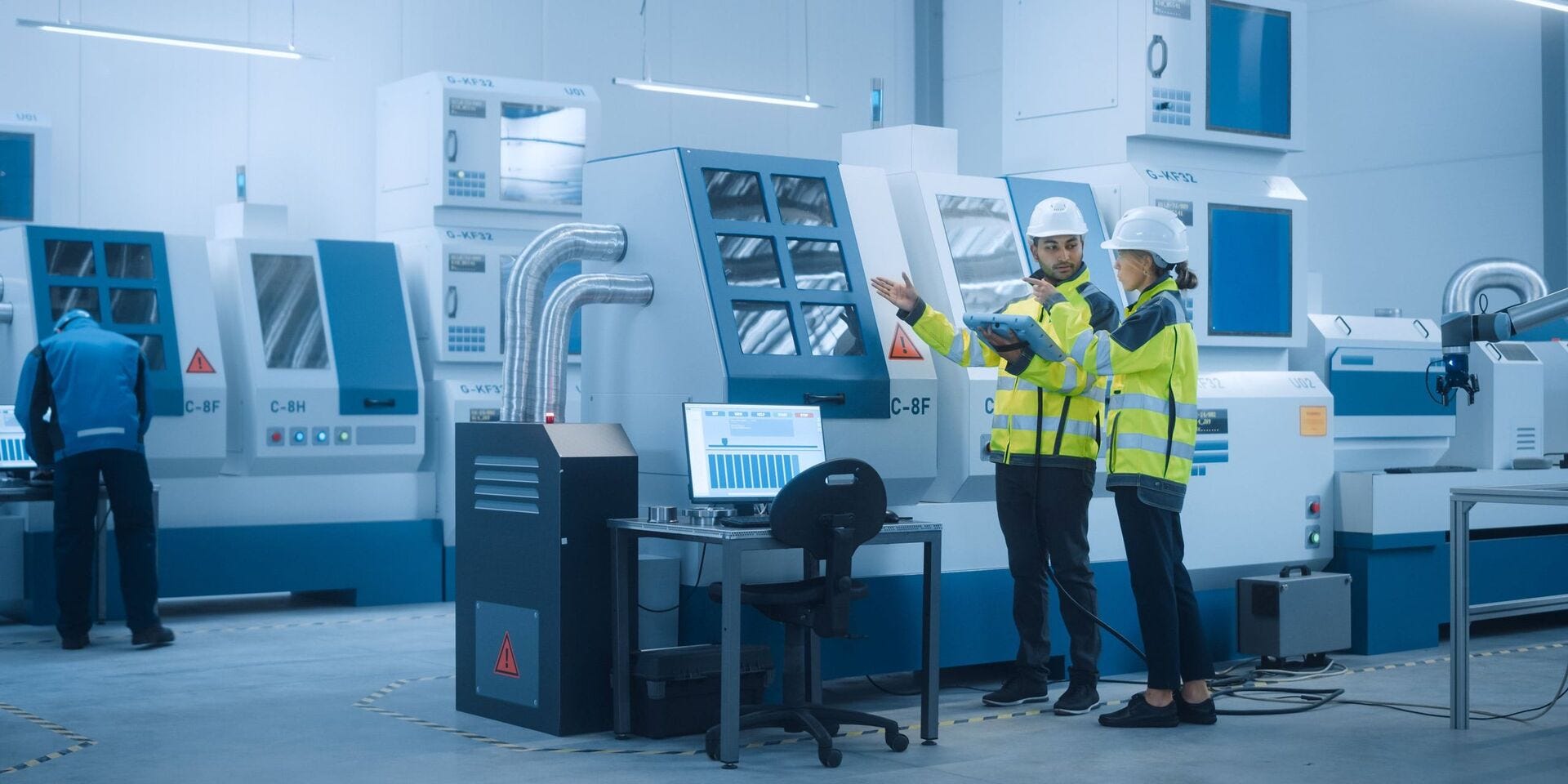
Image source: honeywell.com
Geographic Concentration and China Exposure
Honeywell derives significant revenue from China and Asia-Pacific markets, creating exposure to geopolitical tensions, regulatory changes, and economic volatility in the region. While geographic diversification generally strengthens resilience, the concentration of manufacturing capacity and end-market demand in China creates specific vulnerabilities.
U.S.-China technology transfer restrictions, export controls on advanced technologies, and potential retaliation measures create uncertainty for aerospace and defense operations. Honeywell’s technologies in navigation systems, avionics, and industrial automation fall within categories subject to increasingly stringent export licensing requirements. Compliance costs increase while market access potentially decreases if geopolitical tensions escalate.
China’s industrial policy emphasizes self-sufficiency in strategic technologies, with substantial government support for domestic competitors in automation, aerospace components, and building management systems. Chinese companies like AVIC (aviation), Zoomlion (industrial automation), and local building automation providers receive preferential treatment in government procurement and benefit from subsidized financing. As these competitors develop technical capabilities, Honeywell faces intensifying competition in the world’s largest market for many industrial technologies.
Industrial Automation Portfolio Underperformance
The Industrial Automation segment has consistently underperformed relative to Honeywell’s other divisions, with organic growth of only 1% in Q3 2025 compared to double-digit growth in aerospace and solid mid-single-digit growth in building automation. This weakness reflects multiple underlying challenges requiring strategic responses.
Productivity Solutions and Services, a component of industrial automation, declined 3% in Q3 2025, driven by persistent weakness in European industrial markets. European manufacturing activity remained constrained by high energy costs, weak economic growth, and structural challenges in key industries like automotive. The warehouse and workflow solutions business, while showing signs of recovery with double-digit order growth, faces intense competition from specialized robotics and automation providers.
The announced evaluation of strategic alternatives for productivity solutions and warehouse automation businesses signals management recognition that these operations may not align with the post-separation automation strategy. If divested, these sales would reduce revenue scale but could improve margins and strategic focus. However, executing these transactions while managing the three-way separation adds complexity and potential execution risk.
Dependence on Cyclical End Markets
Honeywell’s financial performance correlates strongly with cyclical industries including commercial aviation, construction, and industrial manufacturing. During economic downturns, these end markets contract simultaneously, creating revenue and margin pressure across multiple segments.
Commercial aviation, while recovering from pandemic impacts, remains vulnerable to macroeconomic shocks, fuel price volatility, and changing travel patterns. Business aviation, a higher-margin segment within aerospace, demonstrates particular sensitivity to corporate profitability and executive confidence. A recession or financial crisis could quickly reverse the strong order momentum Honeywell has enjoyed in aerospace operations throughout 2025.
Building automation and construction-related revenues face exposure to commercial real estate cycles, interest rate environments, and corporate capital expenditure decisions. High interest rates in 2024 and 2025 slowed commercial construction activity in many markets, though this impact has been partially offset by energy efficiency mandates and building retrofit projects. Industrial automation demand correlates directly with manufacturing activity and capital spending, both highly cyclical.
Cyclical Exposure Assessment
Revenue Contribution
Cyclical Sensitivity
Recovery Timeframe
Commercial Aviation
~25% of total
High
2-3 years typical
Building Construction
~15% of total
Moderate-High
1-2 years typical
Industrial Manufacturing
~20% of total
High
1-2 years typical
Defense (Countercyclical)
~15% of total
Low
Less cyclical
Aftermarket Services
~25% of total
Moderate
More resilient
Opportunities: Pathways to Value Creation
Aerospace Recovery and Defense Modernization
The commercial aerospace recovery continues providing substantial growth opportunities through multiple channels. Aircraft production rates at Boeing and Airbus are increasing toward pre-pandemic levels, with both manufacturers holding record order backlogs. Boeing aims to increase 737 MAX production to 50 aircraft per month by 2025-2026, while Airbus targets A320 family production of 75 aircraft monthly. As the primary supplier of auxiliary power units, avionics, and navigation systems for these platforms, Honeywell benefits directly from production rate increases.
The commercial aftermarket delivered 19% growth in Q3 2025, the strongest performance among aerospace subsegments. Aftermarket revenues demonstrate higher margins and less cyclical volatility than original equipment sales. As global aircraft utilization returns to pre-pandemic levels and deferred maintenance work proceeds, aftermarket demand should remain robust through 2026 and beyond. The growing installed base of modern aircraft equipped with Honeywell systems creates an expanding addressable market for parts, repairs, and upgrades.
Defense spending trends support continued double-digit growth in defense and space operations. NATO members committed to increasing defense budgets to 2% or more of GDP, with many Eastern European countries exceeding this threshold due to regional security concerns. Asia-Pacific nations, particularly Japan, South Korea, and Australia, are modernizing defense capabilities in response to regional tensions. Middle Eastern countries maintain elevated defense procurement to address persistent regional conflicts.
Honeywell’s defense technologies span navigation systems, weapons guidance, communications equipment, and unmanned systems components. The shift toward network-centric warfare, autonomous platforms, and precision weapons favors Honeywell’s electronic systems expertise. Space-based capabilities represent another growth vector, with increasing demand for satellite navigation, communications systems, and propulsion components as commercial and government space activity expands.
Building Automation and Smart Buildings
Global building automation market expansion creates sustained growth opportunities through 2030 and beyond. Energy efficiency mandates, carbon reduction commitments, and operational cost optimization drive adoption of integrated building management systems. The building automation segment achieved 7% organic growth in Q3 2025, with particular strength in fire safety products (fourth consecutive quarter of double-digit growth) and solutions sales in North America and Middle East.
Smart building technologies represent the next evolution beyond traditional building automation, integrating artificial intelligence, IoT sensors, and advanced analytics to optimize building performance dynamically. Honeywell Forge for Buildings provides a cloud-based platform connecting disparate building systems, enabling predictive maintenance, energy optimization, and occupant comfort improvements. As organizations prioritize environmental, social, and governance (ESG) objectives, investments in building automation that reduce energy consumption and carbon emissions become strategic priorities rather than discretionary spending.
The retrofit and upgrade market exceeds new construction opportunity in many developed markets, as existing buildings represent the majority of commercial real estate stock. Upgrading aging HVAC systems, implementing modern fire safety technologies, and integrating security systems create recurring project revenue. Building automation services, including commissioning, maintenance, and system optimization, provide higher-margin recurring revenue streams with defensive characteristics.
BUILDING AUTOMATION GROWTH DRIVERS

Energy Efficiency Mandates:
- EU Energy Performance of Buildings Directive
- U.S. state and local building codes
- Corporate carbon reduction commitments

Technology Evolution:
- AI-driven optimization systems
- IoT sensor integration
- Cloud-based management platforms
- Predictive maintenance capabilities

Market Dynamics:
- Retrofit market (70% of opportunity)
- New construction (30% of opportunity)
- Recurring service revenue expansion
- Geographic expansion in emerging markets
Sustainable Aviation Fuel and Energy Transition
Honeywell’s sustainable aviation fuel technology positions the company at the center of aviation industry decarbonization. Airlines have committed to achieving net-zero carbon emissions by 2050, with SAF representing the primary pathway to near-term emissions reductions. Honeywell’s Ecofining process, developed with Eni, has been licensed for over 50 projects globally, with capacity expansions accelerating through 2025-2026.
Regulatory mandates amplify SAF demand growth beyond voluntary commitments. The European Union’s ReFuelEU Aviation regulation requires 2% SAF blending by 2025, increasing to 70% by 2050. While these early percentages seem modest, they represent millions of gallons of production capacity that must be developed. United States tax incentives, including the Sustainable Aviation Fuel Credit, provide $1.25 to $1.75 per gallon depending on lifecycle emissions reductions, improving SAF economics relative to conventional jet fuel.
Carbon capture and hydrogen technologies address industrial decarbonization beyond aviation. Hard-to-abate sectors including cement, steel, chemicals, and power generation require carbon capture to achieve emissions targets. Honeywell’s solvent-based capture technology achieves capture rates above 95% with lower energy penalties than competing approaches. The company has secured multiple commercial projects, demonstrating customer validation of the technology’s economic viability.
Green hydrogen production for industrial applications represents a substantial long-term opportunity as hydrogen costs decline and infrastructure develops. Honeywell’s advanced electrolysis technologies reduce capital and operating costs for green hydrogen production, addressing key barriers to adoption. Partnerships with companies like ENEOS for commercial-scale hydrogen supply chains demonstrate commercial traction for these technologies.
Digital Transformation and Software Revenue
The transition from hardware-centric business models to integrated hardware-software-services offerings creates opportunities for higher-margin recurring revenue. Honeywell Forge represents the company’s digital platform strategy, providing cloud-based solutions for building management, industrial operations, and supply chain optimization. Connected devices generate data that software platforms analyze to provide actionable insights for customers.
Software and digital services typically command higher margins than hardware sales while creating switching costs that improve customer retention. Subscription-based pricing models generate predictable recurring revenue streams valued more highly by investors than project-based hardware sales. As Honeywell’s installed base of connected devices expands, the addressable market for software and services increases proportionally.
Artificial intelligence and machine learning applications enhance the value proposition of digital platforms by enabling predictive maintenance, process optimization, and autonomous decision-making. Honeywell’s AI-powered suite for industrial automation, announced in June 2025, demonstrates the company’s commitment to incorporating advanced technologies into its offerings. Industrial customers increasingly seek outcome-based solutions that deliver measurable performance improvements rather than simply supplying equipment.
Advanced Air Mobility and Urban Aviation
The emerging advanced air mobility sector, including electric vertical takeoff and landing (eVTOL) aircraft and autonomous flight systems, represents a new market opportunity for Honeywell’s aerospace technologies. Multiple eVTOL developers, including Vertical Aerospace, Joby Aviation, and Lilium, have selected Honeywell as a primary supplier for flight control systems, avionics, and electric propulsion components.
Honeywell’s expanded partnership with Vertical Aerospace to supply the VX4 eVTOL platform demonstrates the company’s positioning in this emerging market. While commercial operations remain several years away pending regulatory approvals, being selected as the supplier for multiple platforms positions Honeywell to capture significant market share as the industry scales.
Urban air mobility infrastructure, including vertiports and autonomous flight management systems, requires integrated solutions combining physical equipment with software and services. Honeywell’s expertise in navigation, flight controls, and urban airspace management positions the company to provide comprehensive solutions as this market develops. Industry forecasts project thousands of eVTOL aircraft in commercial operation by 2035, creating substantial aftermarket opportunities for maintenance, upgrades, and system enhancements.
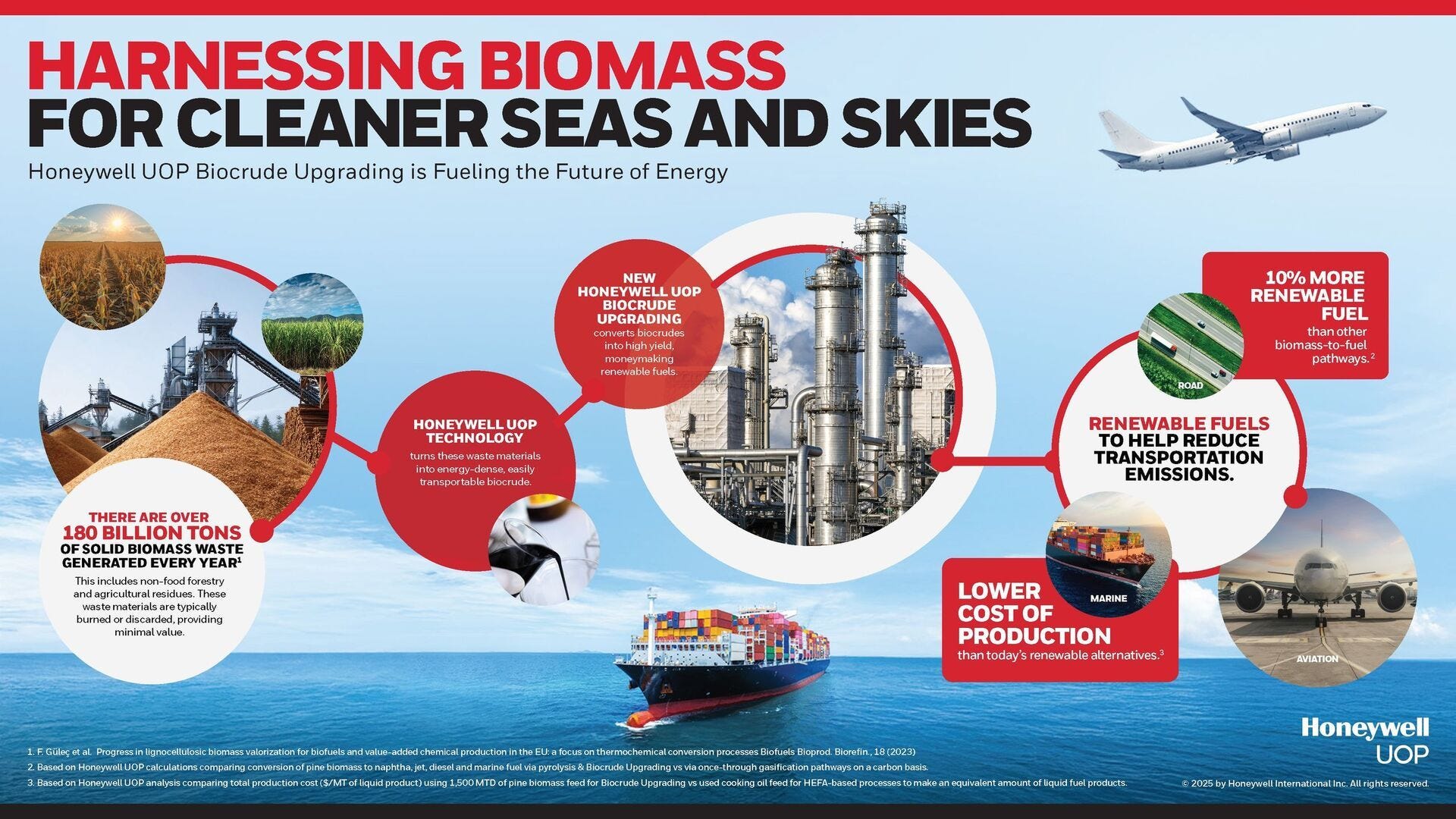
Image source: honeywell.com
Strategic Acquisitions and Technology Integration
The completion of portfolio simplification creates capacity for strategic acquisitions that enhance capabilities within core focus areas. Honeywell demonstrated this approach with the July 2025 acquisition of Li-ion Tamer, a leading off-gas detection technology for lithium-ion batteries, and the August 2025 acquisition of SparkMeter’s utility platforms, strengthening smart energy capabilities.
These “tuck-in” acquisitions, typically valued at $50-500 million, add specialized technologies or market access without requiring extensive integration efforts. The separated entities will have greater flexibility to pursue acquisitions aligned with their specific strategies without navigating conglomerate-level approval processes. Aerospace Technologies can target navigation, avionics, or aftermarket service businesses, while the industrial automation entity can pursue sensing, robotics, or software acquisitions.
Larger transformative acquisitions become more feasible post-separation as each entity focuses on strategic priorities without coordination requirements across diverse businesses. The strong balance sheets of separated entities, combined with their specialized focus, should improve access to acquisition financing and reduce integration complexity relative to conglomerate-level transactions.
Threats: Risks Requiring Mitigation
Intensifying Competitive Pressures
Competition intensifies across all Honeywell segments as technology evolution lowers barriers to entry and well-capitalized competitors invest aggressively in market share gains. In aerospace, Collins Aerospace (RTX), Safran, and Thales compete directly across avionics, propulsion, and aircraft systems. These competitors possess comparable technical capabilities, extensive OEM relationships, and substantial aftermarket service networks.
Building automation competition from Johnson Controls, Siemens, and Schneider Electric pressures margins and market share. Johnson Controls’ Metasys 15.0 platform, launched in November 2025, demonstrates ongoing innovation from established competitors. Additionally, technology companies including Alphabet (through Nest), Amazon, and Microsoft are developing building management and IoT solutions that could disrupt traditional automation providers.
Industrial automation faces competition from specialized robotics companies, automation system integrators, and software providers. Companies like KUKA, ABB, and Rockwell Automation maintain strong positions in specific industrial automation segments. The proliferation of software and digital solution providers creates competition for the recurring revenue streams that traditional automation companies increasingly target.
Chinese competitors represent a growing threat across multiple segments. AVIC and other state-supported Chinese aerospace companies are developing capabilities in avionics and aircraft systems, initially for domestic programs but potentially competing internationally. Chinese building automation and industrial control companies, backed by government support and local market access, increasingly challenge foreign competitors in Asia-Pacific markets.
Competitive Threat Assessment
Primary Competitors
Threat Level
Key Differentiators
Aerospace
Collins, Safran, Thales
High
Installed base, aftermarket relationships
Building Automation
Johnson Controls, Siemens, Schneider
Moderate-High
Technology integration, service network
Industrial Automation
ABB, Rockwell, Emerson
Moderate
Domain expertise, digital platforms
Sustainability Tech
Emerging specialist companies
Moderate
Early market leadership, licensing
Chinese Competition
AVIC, local automation providers
Growing
Western technology advantages narrowing
Cybersecurity and Operational Technology Risks
Honeywell’s industrial automation and building management systems connect to customer IT networks and cloud platforms, creating cybersecurity vulnerabilities. The Honeywell 2025 Cyber Threat Report documented a 46% surge in ransomware attacks targeting industrial operators from Q4 2024 to Q1 2025, with operational technology (OT) systems as primary targets.
Cyber attacks on critical infrastructure, including building management systems, industrial control systems, and aerospace operations, can cause physical damage, operational disruptions, and safety incidents. A successful attack on Honeywell’s systems or those of its customers could result in liability exposure, reputation damage, and increased regulatory scrutiny. Insurance costs for cyber incidents are rising while coverage limitations expand, increasing potential financial exposure.
The convergence of IT and OT systems, while enabling digital transformation benefits, expands the attack surface for malicious actors. Legacy industrial systems often lack modern security features, creating vulnerabilities when connected to networks. Honeywell invests substantially in OT cybersecurity capabilities, including secure-by-design product development and managed security services, but the threat environment evolves continuously.
Supply chain cybersecurity represents another vulnerability, with adversaries potentially compromising components or software before delivery to Honeywell or its customers. Government agencies, particularly in defense and critical infrastructure sectors, increasingly scrutinize supply chain security, requiring vendors to demonstrate comprehensive security programs throughout their supply networks.
Supply Chain Disruptions and Component Shortages
Aerospace production constraints persist due to supply chain challenges, limiting Honeywell’s ability to fully capitalize on strong demand. While supply chain conditions improved throughout 2025, bottlenecks remain in specialized forgings, castings, and electronic components. These constraints force aircraft manufacturers to maintain lower production rates than their order backlogs justify, reducing near-term revenue opportunities for suppliers like Honeywell.
Geopolitical tensions and potential trade conflicts create supply chain vulnerabilities. Critical materials and components sourced from China or other geopolitically sensitive regions face potential disruption from export controls, sanctions, or trade restrictions. Rare earth elements, used in advanced electronics and propulsion systems, predominantly originate from China, creating dependency on a single geographic source.
Supplier financial distress represents another supply chain risk, particularly among smaller specialized suppliers. Rising interest rates and working capital requirements have stressed supplier balance sheets, with some companies exiting the aerospace supply chain entirely. When suppliers fail, qualifying replacement suppliers requires extensive time and creates production gaps.
Climate-related supply chain disruptions, including extreme weather events, water scarcity affecting manufacturing operations, and logistics network interruptions, occur with increasing frequency. While individual events may have limited impact, the cumulative effect of repeated disruptions creates volatility in production schedules and increases costs throughout supply chains.
Regulatory Complexity and Compliance Costs
Honeywell operates in heavily regulated industries with compliance requirements spanning aviation safety, building codes, environmental standards, export controls, and data privacy. Regulatory complexity increases as jurisdictions implement divergent requirements, forcing companies to navigate patchwork compliance frameworks.
Aviation certification processes, governed by the Federal Aviation Administration (FAA) in the United States and the European Union Aviation Safety Agency (EASA) internationally, require extensive testing and documentation before new products enter service. Certification timelines extend years for complex systems, creating long development cycles and limiting ability to respond quickly to market opportunities. Changes to aircraft systems already in service require recertification, adding costs and delays to product improvements.
Environmental regulations, particularly in Europe, mandate carbon reduction, chemical restrictions, and circular economy requirements that affect product design and manufacturing processes. The EU’s F-gas regulations phase down high-global-warming-potential refrigerants, requiring reformulation of products and potential margin pressure as companies transition to lower-GWP alternatives. While Honeywell’s Solstice line of low-GWP refrigerants benefits from these regulations, compliance costs throughout the product portfolio increase.
Export control regulations restrict sales of certain technologies to specific countries or customers, limiting addressable markets and creating compliance complexity. U.S. International Traffic in Arms Regulations (ITAR) and Export Administration Regulations (EAR) govern defense-related and dual-use technologies, with significant penalties for violations. As geopolitical tensions increase, export control scope expands, potentially restricting access to growing markets.
Macroeconomic Headwinds and Recession Risks
Global economic growth deceleration creates headwinds for cyclical industrial operations. While major economies avoided recession in 2025, growth rates remain below historical trends, with particular weakness in Europe and China. Interest rates, while moderating from recent peaks, remain elevated relative to the prior decade, increasing capital costs and reducing corporate investment appetite.
Commercial construction activity, a key driver of building automation demand, responds directly to interest rate environments and economic confidence. Higher borrowing costs reduce returns on real estate development projects, causing delays or cancellations. Office occupancy rates remain below pre-pandemic levels in many markets, reducing demand for new commercial buildings and limiting retrofit activity in partially occupied structures.
Industrial capital expenditure cycles correlate with business confidence and profitability. If corporate earnings decline or economic uncertainty increases, manufacturers typically delay automation projects and productivity improvements. This cyclical exposure particularly affects Honeywell’s industrial automation segment, which demonstrated minimal organic growth in 2025 despite robust conditions in aerospace and building automation.
Currency volatility affects international operations and reported financial results. Honeywell generates substantial revenue outside the United States, with translation effects impacting reported sales and margins. A strengthening U.S. dollar relative to other currencies reduces the dollar value of international revenues, even if underlying business performance remains stable.
MACROECONOMIC RISK FACTORS

Interest Rate Environment:
- Elevated rates reduce construction activity
- Higher capital costs affect customer investment decisions
- Currency volatility from divergent central bank policies

Economic Growth:
- European industrial weakness persisting
- China growth deceleration affects multiple segments
- U.S. growth relatively stronger but slowing

Inflation Dynamics:
- Input cost increases pressuring margins
- Wage inflation affecting labor-intensive operations
- Energy costs remain elevated vs historical levels
Technology Disruption and Obsolescence
Rapid technology evolution creates risks that Honeywell’s current products and capabilities become obsolete or less competitive. In aerospace, electric and hybrid-electric propulsion technologies could disrupt traditional auxiliary power units and propulsion systems. While Honeywell invests in electric propulsion for eVTOL and future aircraft, the company’s existing product portfolio focuses on conventional systems.
Artificial intelligence and machine learning enable new competitors to develop building automation and industrial control solutions without the extensive hardware infrastructure that traditionally created barriers to entry. Cloud-based platforms and edge computing reduce the importance of proprietary control systems, potentially commoditizing markets where Honeywell historically maintained competitive advantages through integrated hardware-software offerings.
Open-source industrial automation software and standardized communication protocols reduce switching costs and enable customers to mix-and-match components from multiple suppliers. This trend toward open architectures challenges proprietary system approaches, potentially reducing margins and customer lock-in effects.
Disruptive business models, including automation-as-a-service and outcome-based contracting, shift value capture from equipment sales to operational performance. While Honeywell has moved toward these models through Honeywell Forge and service offerings, the transition requires different capabilities and organizational structures than traditional product businesses. Competitors born with service-oriented business models may adapt more quickly than industrial companies with legacy hardware-centric operations.
Strategic Implications for Investors
Valuation Considerations in Context of Separation
The three-way separation fundamentally alters Honeywell’s investment thesis, requiring investors to evaluate each separated entity independently rather than assessing the conglomerate as a single investment. The aerospace entity will likely command premium multiples relative to diversified industrials, trading more comparably to specialized aerospace suppliers like Safran or TransDigm. Building automation operations may trade in line with competitors like Johnson Controls, while industrial automation valuation depends on margin improvement and growth trajectory.
Conglomerate discounts typically range from 10-20% relative to sum-of-the-parts valuations, suggesting potential for value realization through the separation. However, this discount exists partly because diversification reduces volatility and provides strategic flexibility that focused entities lack. Investors must assess whether separation benefits outweigh the loss of portfolio diversification and resource allocation flexibility.
Near-term valuation may reflect execution uncertainty as the company navigates separation complexity while maintaining operational performance. Historical precedents from other large-scale industrial separations demonstrate that value realization often requires 12-24 months post-separation as management teams establish independent strategies and capital markets reassess the separated entities.
Risk-Adjusted Return Analysis
Aerospace exposure provides growth and margin expansion potential but increases cyclical volatility. Investors with high risk tolerance and longer time horizons may favor the separated aerospace entity for growth potential, while more conservative investors might prefer the diversified automation operations with more defensive characteristics.
The dividend policy of separated entities remains uncertain, with management likely prioritizing balance sheet strength and investment capacity initially. Honeywell historically maintained consistent dividend growth, a characteristic valued by income-focused investors. Whether separated entities maintain similar dividend priorities depends on their capital requirements and growth investment opportunities.
Portfolio positioning should reflect individual investor circumstances. For investors seeking aerospace exposure, the separated aerospace entity may provide purer play on commercial aviation recovery and defense spending trends. Investors preferring diversified industrial exposure might maintain positions in the remaining Honeywell entity focused on building and industrial automation. Some investors may choose to hold positions in multiple separated entities to maintain diversified exposure while gaining focus benefits.
Time Horizon and Investment Thesis
Short-term investors (1-2 years) face elevated uncertainty due to separation execution risks, making position sizing and timing critical considerations. While near-term financial results have exceeded expectations, separation costs and management attention diverted toward restructuring could create volatility.
Medium-term investors (2-5 years) may benefit most from the separation as value realization occurs and separated entities establish independent track records. This timeframe allows management teams to implement focused strategies while providing visibility into operational performance and market positioning.
Long-term investors (5+ years) should evaluate structural growth drivers in end markets including aerospace recovery, building automation adoption, and sustainable technology deployment. The long-term thesis depends on whether separated entities can maintain technology leadership, margin expansion, and market share in their focused segments.
Monitoring Key Performance Indicators
Investors should track specific metrics to assess strategic progress and operational health:
For aerospace operations: backlog growth, book-to-bill ratios, aftermarket revenue mix, defense order momentum, and segment margin trends.
For building automation: organic growth rates by geography, software and services revenue mix, fire safety product momentum, and market share trends in key markets.
For industrial automation: margin improvement trajectory, productivity solutions turnaround progress, warehouse automation order trends, and strategic alternative evaluation outcomes.
For sustainability businesses: SAF licensing wins, carbon capture project awards, hydrogen technology partnerships, and revenue from sustainable solutions.
Corporate metrics including free cash flow conversion, leverage ratios, separation milestone achievement, and return on invested capital provide insight into financial health and management effectiveness.
My Final Thoughts
Honeywell International Inc. stands at a transformative moment, implementing a comprehensive portfolio restructuring that will create three independent public companies by mid-2026. The company’s SWOT analysis reveals a complex picture of substantial strengths including market leadership positions, record backlogs, and sustainable technology capabilities balanced against challenges including margin pressure, execution risks, and intensifying competition.
The aerospace recovery, defense spending trends, building automation growth, and sustainable technology opportunities provide compelling growth pathways.
However, supply chain constraints, competitive pressures, macroeconomic uncertainties, and the complexity of the three-way separation create risks that investors must carefully assess. Strong financial performance through Q3 2025, with sales growth, margin expansion in building automation, and substantial cash generation, demonstrates operational resilience during the restructuring period.
The potential for value creation through focused entities must be weighed against execution risks and near-term uncertainty. Different separated entities will appeal to different investor profiles, with aerospace offering growth potential and cyclical exposure, while automation operations provide more diversified and defensive characteristics.
The strategic rationale for separation appears sound, addressing long-standing investor concerns about conglomerate complexity while enabling specialized strategies optimized for distinct end markets. Success depends on flawless execution of the separation process, maintaining operational momentum across all segments, and establishing credible strategies for the independent entities. As the separation progresses through 2026, investors should monitor performance against these operational and strategic milestones to assess whether the restructuring achieves its value creation objectives.
Honeywell’s diversified portfolio, technology leadership, and strong market positions provide a foundation for long-term success. The separation aims to unlock value by allowing each business to pursue its optimal strategy without conglomerate constraints.
Whether this transformation delivers sustained value creation for shareholders will depend on management execution, market conditions, and the separated entities’ abilities to compete effectively in their focused domains.
Disclaimer: This analysis is for informational purposes only and should not be construed as investment advice. Investors should conduct their own due diligence and consult with financial advisors before making investment decisions.