

The medical technology sector stands at a transformative crossroads as robotic-assisted surgery reshapes surgical procedures worldwide. At the center of this revolution sits Intuitive Surgical, Inc. $ISRG ( ▲ 0.21% ) , a company that has dominated the robotic surgery market for over two decades.
As we move toward 2026, investors need a clear understanding of the company’s position, capabilities, and challenges. This analysis examines Intuitive Surgical through a strategic SWOT framework, providing actionable insights for investment decisions.
Table of Contents
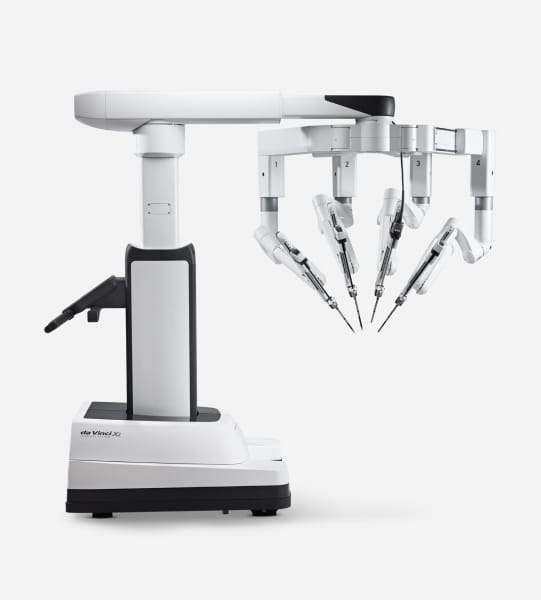
Image source: intuitive.com
Understanding Intuitive Surgical’s Market Position
Intuitive Surgical pioneered the field of robotic-assisted surgery with its da Vinci Surgical System, fundamentally altering how surgeons approach minimally invasive procedures.
The company has built an ecosystem that extends far beyond hardware sales, creating a recurring revenue model through instruments, accessories, and comprehensive service agreements.
As of Q3 2025, Intuitive reported exceptional financial performance, with revenue reaching $2.51 billion, representing a 23% year-over-year increase. The company’s installed base has grown to 10,763 da Vinci systems globally, with worldwide procedures growing approximately 20% compared to the same quarter in 2024.
These numbers underscore the company’s continued dominance in a market that analysts project will reach $14 billion globally by 2026, according to Oliver Wyman research.
Strengths: The Foundations of Market Leadership
Dominant Market Share and Brand Recognition
Intuitive Surgical’s most formidable strength lies in its overwhelming market dominance. The company controls an estimated 80% of the robotic surgery market, a position that has remained relatively stable despite emerging competitors. This dominance creates significant barriers to entry for potential competitors and provides Intuitive with unmatched pricing power.
The da Vinci brand has become synonymous with robotic surgery, much like how certain consumer brands dominate their categories. Hospitals actively market their da Vinci capabilities to attract patients, effectively making Intuitive’s technology a competitive differentiator for healthcare institutions. This brand equity translates into predictable demand and customer loyalty that competitors struggle to overcome.
Recurring Revenue Model
Unlike traditional medical device companies that depend primarily on capital equipment sales, Intuitive has constructed a business model with substantial recurring revenue streams. In Q3 2025, instruments and accessories revenue reached $1.52 billion, representing a 20% increase from the prior year and accounting for approximately 61% of total revenue.
Revenue Breakdown Q3 2025:
━━━━━━━━━━━━━━━━━━━━━━━━━━━━━━━━━━━━━━━
Instruments & Accessories:  $1.52B (61%)
Systems Sales:              $590M  (24%)
Services:                   $396M  (15%)
━━━━━━━━━━━━━━━━━━━━━━━━━━━━━━━━━━━━━━━
Total Revenue:              $2.51B
This revenue composition demonstrates the “razor and blade” model at work. Once a hospital invests in a da Vinci system, it must continuously purchase proprietary instruments and accessories for each procedure. Single-use instruments, which must be replaced after each surgery, generate predictable, high-margin revenue streams that provide financial stability and insulate the company from cyclical downturns in capital equipment spending.
Technological Innovation and R&D Leadership
Intuitive’s commitment to innovation remains unmatched in the robotic surgery sector. The da Vinci 5 system, launched in 2024 and expanding rapidly throughout 2025, represents a quantum leap in surgical robotics. The system features over 150 design innovations and computing power that is 10,000 times greater than previous generations.
Key technological advances in the da Vinci 5 include:
Feature
Capability
Impact
Force Feedback Technology
Surgeons can sense tissue resistance
Up to 43% reduction in applied force, minimizing tissue trauma
Advanced AI Integration
Real-time surgical insights and guidance
Improved decision-making during procedures
Enhanced Instrumentation
Smaller, more articulated instruments
Access to previously difficult-to-reach anatomical areas
4K 3D Visualization
Superior image quality with enhanced depth perception
Better identification of critical structures
Integrated Performance Metrics
Post-operative analysis and training insights
Continuous surgeon skill development
The company’s R&D investment remains substantial, with research and development expenses reaching $329.4 million in Q3 2025 alone, up from $286 million in Q3 2024. This represents approximately 13% of quarterly revenue, demonstrating Intuitive’s commitment to maintaining technological leadership.
Beyond the da Vinci platform, Intuitive has expanded into complementary areas. The Ion endoluminal system, designed for minimally invasive lung biopsies, achieved 52% procedure growth in Q3 2025. In October 2025, the company announced FDA clearance for enhanced AI and advanced imaging integration in the Ion system, enabling physicians to access small, hard-to-reach lung nodules with greater precision.
Robust Intellectual Property Portfolio
Intuitive’s extensive patent portfolio creates formidable barriers to competition. According to GreyB, the company holds over 7,000 patents globally, with more than 78% actively maintained. This intellectual property covers fundamental aspects of robotic surgery, including:
Robotic arm articulation and movement
Master-slave control systems
Surgical instrument design and functionality
Imaging and visualization systems
Software and control algorithms
This patent fortress not only protects Intuitive’s current products but also forces competitors to design around established technologies, often resulting in inferior solutions or substantial development delays. The company has successfully defended its intellectual property in numerous legal proceedings, generating licensing revenue while deterring competitive encroachment.
Comprehensive Training and Support Ecosystem
Intuitive has invested heavily in surgeon training and education, creating a comprehensive ecosystem that enhances customer loyalty and system utilization. The company offers:
Training Programs:
Hands-on simulator training
Proctored initial procedures
Continuing education courses
Advanced technique workshops
Online learning modules
Support Infrastructure:
24/7 technical support
On-site service engineers
Predictive maintenance programs
Performance analytics and benchmarking
This ecosystem serves dual purposes. It ensures surgeons achieve optimal outcomes with da Vinci systems, building confidence and encouraging adoption. Simultaneously, it creates switching costs that make replacing Intuitive’s technology with competitive alternatives impractical. Hospitals that have trained entire surgical teams on da Vinci systems face significant retraining costs if they consider alternative platforms.
Strong Financial Position
Intuitive’s balance sheet reflects years of profitable operations and disciplined capital allocation. As of September 30, 2025, the company held $8.43 billion in cash, cash equivalents, and investments. This financial strength provides multiple strategic advantages:
Financial Highlights (9 Months Ended September 30, 2025):
═══════════════════════════════════════════════════════════
Total Revenue:              $7.20 billion (+21.2% YoY)
Gross Profit:               $4.74 billion (65.8% margin)
Operating Income:           $2.08 billion (28.9% margin)
Net Income:                 $2.06 billion
Cash & Investments:         $8.43 billion
═══════════════════════════════════════════════════════════
This financial flexibility enables Intuitive to:
Invest aggressively in R&D without compromising profitability
Weather economic downturns that might constrain hospital capital budgets
Pursue strategic acquisitions and partnerships
Return capital to shareholders through buybacks
Expand manufacturing capacity to meet growing demand
In Q3 2025 alone, the company repurchased 4.0 million shares for $1.92 billion, demonstrating confidence in its business model while providing shareholder value.
Weaknesses: Areas Requiring Strategic Attention
High System Costs and Capital Requirements
The da Vinci Surgical System represents a substantial capital investment for healthcare institutions. Acquisition costs range from $0.5 million to $2.5 million, depending on the model and configuration. For the advanced da Vinci 5 system, costs typically exceed $2 million, with some configurations approaching $2.7 million.
Beyond initial acquisition, hospitals face significant ongoing expenses:
Cost Category
Annual/Per-Procedure Amount
Annual Service Contract
$100,000 - $190,000
Instruments per Procedure
$1,500 - $3,500
Disposable Accessories
$500 - $1,000
Training and Certification
$50,000 - $100,000 initially
These costs create adoption barriers, particularly for:
Small and medium-sized hospitals with limited capital budgets
Healthcare systems in emerging markets
Ambulatory surgery centers seeking cost-effective solutions
Hospitals in regions with unfavorable reimbursement policies
A 2024 study published in the Journal of the American Medical Association found that robotic procedures cost $3,000 to $6,000 more than traditional laparoscopic surgery. While Intuitive argues that total cost of care, including reduced complications and shorter hospital stays, can offset these higher procedural costs, the upfront pricing remains a significant barrier to universal adoption.
Reimbursement Challenges
Healthcare reimbursement policies have not kept pace with the adoption of robotic surgery, creating financial pressures for hospitals that invest in da Vinci systems. In many healthcare systems, reimbursement rates for robotic-assisted procedures match those for conventional surgeries, despite higher costs.
According to research published in BMC Public Health, robotic surgical cases performed in outpatient settings may incur significant losses as reimbursement does not cover direct costs. This particularly affects:
Procedures with lower case mix index (CMI) values
Outpatient surgical centers
Hospitals serving populations with high Medicare/Medicaid percentages
Healthcare systems in countries with stringent cost-containment measures
The reimbursement gap forces hospitals to justify da Vinci system purchases based on qualitative benefits (patient attraction, surgeon recruitment, improved outcomes) rather than direct financial return on investment. This makes the sales process more complex and lengthens decision-making cycles.
Dependency on U.S. Market
Despite international expansion efforts, Intuitive remains heavily dependent on the U.S. market, which accounts for approximately 70% of total revenue. This concentration creates several vulnerabilities:
Regulatory Risks: Changes in U.S. healthcare policy, including potential modifications to Medicare reimbursement or FDA approval processes, could significantly impact business performance.
Market Saturation: The U.S. market shows higher penetration rates than international markets, suggesting limited room for growth from new system placements. Future growth depends increasingly on procedure volume increases and system upgrades rather than new customer acquisition.
Geographic Diversification: Competitors establishing strong positions in faster-growing international markets could build scale and capabilities that eventually threaten Intuitive’s U.S. dominance.
Geographic Revenue Distribution (Estimated):
╔════════════════════════════════════════╗
║ United States       ████████████  70% ║
║ Europe              ███           15% ║
║ Asia Pacific        ██            10% ║
║ Rest of World       █              5% ║
╚════════════════════════════════════════╝
Limited Procedure Scope
While the da Vinci system has received FDA clearance for numerous surgical specialties, including urology, gynecology, thoracic surgery, and general surgery, it remains unsuitable for many surgical procedures. Limitations include:
Procedures requiring extensive tactile feedback beyond current force sensing capabilities
Operations in extremely confined spaces where robot arms cannot maneuver
Emergency surgeries where setup time is prohibitive
Highly vascular procedures where rapid response to bleeding is critical
Surgeries requiring multiple instrument exchanges or complex reconstructions
This procedural limitation constrains the total addressable market. Intuitive must continuously expand approved indications and develop new capabilities to capture additional surgical volume, requiring ongoing R&D investment and regulatory approvals.
Supply Chain Vulnerabilities
Intuitive’s global manufacturing footprint, while providing operational efficiencies, creates exposure to supply chain disruptions and geopolitical risks. The company manufactures:
A significant majority of instruments and accessories in Mexico
A majority of endoscopes in Germany
Various components in China and other Asian countries
Recent tariff implementations have already impacted financial performance. In Q3 2025, Intuitive revised its gross profit margin guidance to 67-67.5%, down from previous guidance, citing an estimated tariff impact of 0.7% of revenue. The company noted that additional tariffs could materially affect financial results.
Supply chain risks include:
Trade policy changes affecting import/export costs
Political instability in manufacturing regions
Natural disasters or pandemics disrupting production
Quality control challenges across multiple facilities
Dependency on sole-source suppliers for critical components
Workforce Reduction
In a surprising move given strong financial performance, Intuitive announced plans to lay off 331 employees at its Sunnyvale headquarters in October 2025, citing reduction in shifts and hours. While framed as an operational efficiency measure, workforce reductions during periods of growth can signal:
Margin pressure requiring cost containment
Strategic shifts away from certain business areas
Automation initiatives replacing human workers
Preparation for more challenging market conditions
Investors should monitor whether these reductions affect R&D capabilities, customer support quality, or manufacturing efficiency.
Opportunities: Pathways to Future Growth
International Market Expansion
International markets represent Intuitive’s most significant growth opportunity. Robotic surgery penetration outside the United States remains relatively low, with vast potential in:
Europe: While Western Europe shows moderate adoption, Eastern European markets remain largely untapped. The company obtained European MDR certification for the da Vinci 5 in July 2025, enabling expanded commercialization across EU member states.
Asia-Pacific: This region offers enormous potential, particularly in:
China, where the government actively promotes advanced medical technology adoption
Japan, with its aging population and advanced healthcare infrastructure
India, as its healthcare system modernizes and medical tourism expands
Southeast Asian nations experiencing rapid economic development
Latin America: Growing middle classes and improving healthcare infrastructure create opportunities for da Vinci system placement in major metropolitan areas.
The robotic surgery market is projected to expand from $11.83 billion in 2024 to $54.66 billion by 2034, representing a compound annual growth rate of 16.54%. International markets will drive much of this growth, as procedure adoption in developed markets outside the U.S. and new market penetration in developing economies accelerate.
Procedure Volume Growth
Even in markets with established da Vinci installed bases, significant opportunity exists to increase procedures per system. Many hospitals underutilize their robotic platforms due to:
Limited surgeon training and certification
Procedural approvals for only specific departments
Conservative surgeon preferences
Workflow integration challenges
Intuitive’s strategy to drive procedure volume includes:
Expanding Clinical Indications: Each new FDA clearance for additional procedure types creates immediate revenue opportunities across the installed base. Recent approvals for colorectal and thoracic procedures have opened substantial new markets.
Surgeon Training Programs: By training additional surgeons within hospitals that already own da Vinci systems, Intuitive can increase utilization without capital equipment sales. The company has trained over 70,000 surgeons globally, with many thousands more representing potential trainees.
Workflow Optimization: Helping hospitals streamline robotic surgery workflows (scheduling, room turnover, staff allocation) can increase daily procedure capacity, directly boosting instruments and accessories revenue.
In Q3 2025, Intuitive updated its 2025 procedure growth guidance to 17-17.5%, up from previous guidance. This demonstrates the company’s confidence in continued volume expansion even as the installed base grows.
Artificial Intelligence Integration
Artificial intelligence represents a transformative opportunity for surgical robotics. Intuitive has begun integrating AI capabilities into its platforms, with substantial room for expansion:
Real-Time Surgical Guidance: AI algorithms can analyze surgical video feeds in real-time, identifying anatomical structures, suggesting optimal approach angles, and warning surgeons of potential complications. In September 2025, Intuitive introduced real-time surgical insights for the da Vinci 5, leveraging AI to provide immediate feedback during procedures.
Predictive Analytics: Machine learning models analyzing procedure data from millions of surgeries can identify patterns associated with optimal outcomes, complications, or extended operating times. This knowledge can guide surgical technique recommendations and procedural planning.
Automated Instrument Control: AI-assisted automation could handle routine surgical tasks (suturing, tissue retraction, camera positioning), allowing surgeons to focus on critical decision-making while reducing procedure time and fatigue.
Personalized Surgery Planning: AI analysis of patient imaging, medical history, and genomic data could generate patient-specific surgical plans, optimizing approach and technique for individual anatomy and pathology.
According to research published in PMC, AI-assisted robotic surgeries have demonstrated a 25% reduction in operative time and 30% decrease in intraoperative complications compared to traditional approaches. As these technologies mature, they will become essential features that justify premium pricing and drive system upgrades.
Ambulatory Surgery Center Penetration
The migration of surgical procedures from hospitals to ambulatory surgery centers (ASCs) represents a significant market opportunity. The American Hospital Association notes expanded use of surgical robots in ASCs as a key trend for 2025.
ASCs offer several advantages:
Lower overhead costs than hospital operating rooms
Streamlined workflows and higher efficiency
Focus on elective procedures with predictable volumes
Growing patient preference for outpatient surgery
Intuitive can capitalize on this trend by:
Developing ASC-Specific Configurations: Smaller footprint systems or flexible leasing arrangements tailored to ASC economics and space constraints.
Targeting High-Volume Procedures: Focusing on procedures commonly performed in ASCs, such as hernia repair, cholecystectomy, and certain urologic operations.
Flexible Pricing Models: Usage-based pricing or revenue-sharing arrangements that align with ASC financial models, reducing capital requirements.
The company has already begun adapting to this market, with 115 systems placed under usage-based operating lease arrangements in Q3 2025.
Adjacent Technology Platforms
Beyond the da Vinci and Ion platforms, opportunities exist to develop or acquire technologies in adjacent spaces:
Single-Port Surgery Systems: The da Vinci SP (Single Port) system has shown promise, with FDA clearance for the first stapler designed for single-port robotic surgery granted in April 2025. Single-port systems offer even less invasive options for patients and access to procedures where traditional multiport systems are impractical.
Flexible Endoscopy: Combining robotic control with flexible endoscopes could revolutionize gastrointestinal and pulmonary procedures, creating entirely new markets.
Microsurgery Platforms: Developing robots scaled for extremely delicate procedures (ophthalmology, neurosurgery, reconstructive surgery) would tap previously inaccessible markets.
Diagnostic Integration: Combining robotic biopsy capabilities with real-time diagnostic analysis (molecular testing, imaging) could create comprehensive diagnostic platforms.
Simulation and Virtual Reality: Expanding training platforms with advanced VR simulation could generate licensing revenue while improving surgeon competency.
Strategic Partnerships and Acquisitions
Intuitive’s strong balance sheet enables strategic transactions that could accelerate growth or enter new markets:
Technology Acquisitions: Acquiring innovative startups developing complementary technologies (advanced imaging, AI software, novel instruments) can accelerate product development timelines.
Geographic Partnerships: Joint ventures similar to the Intuitive-Fosun partnership in China can facilitate market entry in regions where local partnerships are advantageous or required.
Academic Collaborations: Partnerships with leading medical schools and research institutions can drive clinical evidence generation, train future surgeon advocates, and identify emerging applications.
In May 2023, Intuitive licensed intellectual property from Titan Medical for $7.5 million, demonstrating willingness to acquire external technologies when strategically valuable.
Threats: Navigating Emerging Challenges
Intensifying Competition
After years of relative market exclusivity, Intuitive faces mounting competitive pressure from multiple directions:
Established Medical Device Giants: Major medtech companies have entered the robotic surgery market:
Medtronic: The Hugo RAS (Robotic Assisted Surgery) system has gained traction internationally, with plans for expanded U.S. commercialization. Medtronic’s modular, portable design offers potential cost advantages and easier operating room integration.
Johnson & Johnson: After acquiring Auris Health and Verb Surgical assets, J&J is developing multiport robotic surgery systems. The company’s massive sales infrastructure and existing hospital relationships pose a formidable competitive threat. According to recent reports, J&J’s robotic surgical system aims to directly rival da Vinci.
Stryker: Focused primarily on orthopedic robotics with the Mako system, Stryker has established credibility in robotic surgery and could leverage this position to expand into soft tissue procedures.
Emerging Specialists: Smaller, focused competitors are targeting specific market segments:
CMR Surgical: The UK-based company’s Versius system emphasizes portability and modular design. After securing $200 million in funding in April 2025, CMR is accelerating its U.S. market entry. The company received FDA marketing authorization in October 2024 and claims the Versius is the second most adopted soft tissue robot globally.
Virtual Incision: Developing the MIRA robot, a miniaturized surgical robot designed for remote surgery and use in underserved areas. The system’s small size and potential for telesurgery applications target markets where traditional systems are impractical.
Asensus Surgical: The Senhance system offers haptic feedback capabilities and uses standard laparoscopic instruments, potentially appealing to surgeons seeking robotic assistance while maintaining traditional surgical feel.
Chinese Competitors: Domestic Chinese manufacturers are developing robotic surgery systems specifically for the Asian market, benefiting from:
Lower manufacturing costs
Government support for domestic technology
Understanding of local market requirements and regulatory pathways
Pricing significantly below Western systems
This competitive intensity will likely pressure:
System pricing and margins
Market share in new geographic markets
Differentiation strategies and R&D investment requirements
Customer retention as alternatives become viable
Pricing Pressure and Market Dynamics
As competition increases and healthcare systems face persistent cost pressures, Intuitive may encounter downward pricing pressure:
System Pricing: New entrants often pursue market share through aggressive pricing. If competitors offer credible systems at 30-50% lower costs, Intuitive must either match pricing, justify its premium through superior capabilities, or accept market share erosion.
Consumables Pricing: The high-margin instruments and accessories business could face pressure if:
Third-party manufacturers receive FDA clearance for compatible instruments
Hospitals negotiate harder for volume discounts as their robotic procedure volumes grow
Competitors offer lower per-procedure costs as a key differentiator
Service Contracts: As more companies offer robotic systems, a mature service market may develop, potentially including third-party service providers who undercut manufacturer service contracts.
Intuitive’s Q3 2025 results showed instruments and accessories revenue per procedure holding relatively stable at approximately $1,830, but maintaining this pricing may become increasingly difficult as market dynamics shift.
Regulatory Challenges
The regulatory environment for medical devices is becoming more stringent globally, creating several challenges:
FDA Scrutiny: As robotic surgery becomes more prevalent, regulatory agencies may increase oversight, requiring:
More extensive clinical data for new indications
Post-market surveillance and reporting requirements
Enhanced safety protocols and risk mitigation strategies
International Regulatory Harmonization: Different regulatory requirements across markets (FDA in U.S., CE Mark/MDR in Europe, NMPA in China) create complexity and delay product launches. The transition to the EU Medical Device Regulation (MDR) has already required Intuitive to recertify products, consuming resources and potentially limiting market access during transition periods.
Liability and Litigation: As robotic surgery volumes increase, so does the potential for litigation related to complications or device malfunctions. While Intuitive has successfully defended most legal challenges, high-profile adverse events could damage the company’s reputation and increase regulatory scrutiny. In October 2025, the Federal Circuit provided guidance on patent damages in a case involving Intuitive, demonstrating ongoing legal risks.
Macroeconomic and Healthcare System Pressures
Broader economic and healthcare trends pose threats to Intuitive’s growth trajectory:
Hospital Financial Constraints: Many healthcare systems face financial pressures from:
Labor shortages and wage inflation
Rising supply costs
Reduced government reimbursement
Changing payer mix toward lower-reimbursement sources
These pressures limit capital available for major equipment purchases, potentially delaying system placements or driving customers toward lower-cost alternatives or flexible leasing arrangements that reduce upfront revenue recognition.
Healthcare Policy Uncertainty: Potential changes to healthcare policy, particularly in the U.S., create planning challenges:
Medicare reimbursement modifications
Bundled payment models that penalize higher-cost procedures
“Right to repair” legislation that could affect service revenue
Antitrust scrutiny of dominant market positions
Tariffs and Trade Policy: The company has already flagged tariff impacts on gross margins, with current estimates suggesting a 0.7% revenue impact. Further trade restrictions or tariff increases could materially affect profitability, particularly given Intuitive’s distributed global manufacturing footprint.
Reimbursement Headwinds: If payers increasingly decline to reimburse robotic procedures at premium rates, or if value-based care models penalize the higher costs associated with robotic surgery, adoption could slow significantly. Research from NIH indicates that some robotic procedures already incur financial losses for hospitals when reimbursement is inadequate.
Technology Disruption
While Intuitive leads in current robotic surgery technology, disruptive innovations could undermine this position:
Alternative Surgical Approaches: Non-robotic minimally invasive techniques continue to improve. If new laparoscopic instruments, imaging modalities, or surgical techniques can achieve outcomes comparable to robotic surgery at significantly lower cost, adoption momentum could stall.
AI-First Platforms: New competitors might develop systems where AI plays a more central role from the ground up, rather than being integrated into existing robotic architectures. These “AI-first” surgical robotics platforms could leapfrog current technology. The AI-First Surgical Robotics Market is projected to reach $42.25 billion by 2034, representing a potential technological transition point.
Autonomous Surgery: While fully autonomous surgery remains years away, gradual automation of surgical tasks could shift value from robot hardware to software and AI capabilities. Companies with superior software and AI expertise (potentially including tech giants) might capture disproportionate value in such a transition.
Strategic Recommendations for 2026 and Beyond
Based on this SWOT analysis, several strategic imperatives emerge for Intuitive Surgical:
1. Accelerate International Expansion: With U.S. market maturation, international markets represent the primary avenue for sustained high growth. This requires:
Tailoring products and pricing for regional markets
Building local service and training infrastructure
Navigating complex regulatory environments
Establishing partnerships where beneficial
2. Drive Procedure Volume Growth: Maximizing utilization of the installed base provides high-margin revenue growth without proportional cost increases. Focus on:
Expanding approved indications
Training additional surgeons
Optimizing hospital workflows
Demonstrating clinical and economic value
3. Maintain Technology Leadership: Continuous innovation remains essential to justify premium pricing and fend off competitors. Priorities include:
Advancing AI capabilities across platforms
Developing next-generation instruments and imaging
Expanding into adjacent surgical categories
Enhancing surgeon experience and outcomes
4. Address Cost Barriers: Making robotic surgery more accessible requires:
Developing lower-cost system variants for specific markets
Offering flexible financing and usage-based models
Demonstrating total cost-of-care advantages
Working with payers to establish appropriate reimbursement
5. Prepare for Competitive Intensity: As market competition increases, Intuitive must:
Strengthen customer relationships and switching costs
Leverage ecosystem advantages (training, data, service)
Protect intellectual property aggressively
Consider strategic acquisitions of emerging competitors or technologies
Investment Considerations
For investors evaluating Intuitive Surgical, several factors warrant consideration:
Growth Sustainability: Can the company maintain double-digit revenue growth as markets mature and competition intensifies? The updated 2025 guidance suggests confidence in near-term growth, but investors should monitor:
Procedure growth rates in established markets
International revenue acceleration
System placement trends and average selling prices
Competitive win/loss rates in new customer acquisitions
Margin Trajectory: Gross margins have compressed slightly due to tariffs and mix shifts toward leasing arrangements. Investors should assess:
Success in mitigating tariff impacts through supply chain adjustments
Operating leverage as procedure volumes grow
R&D efficiency and time-to-market for new products
Pricing power sustainability
Competitive Resilience: How effectively will Intuitive defend its market position? Key indicators include:
Market share trends in contested markets
Customer retention rates as contracts come up for renewal
Pricing discipline on systems and consumables
Technology gap versus competitors
Capital Allocation: With substantial cash generation and balance sheet strength, capital allocation decisions significantly impact shareholder returns. Investors should evaluate:
R&D investment levels and returns
Share repurchase activity and timing
Acquisition strategy and integration success
Balance between growth investment and shareholder returns
Valuation Considerations: As of early December 2025, Intuitive trades at a premium valuation relative to most medical device peers, reflecting its growth profile and market position. Investors must balance:
Exceptional business quality and competitive positioning
Strong growth prospects in large, underpenetrated markets
Execution risks and competitive threats
Current valuation relative to historical ranges and peer groups
My Final Thoughts
Intuitive Surgical occupies a remarkable position as the pioneer and dominant leader in robotic-assisted surgery, a field that is fundamentally transforming surgical care. The company’s strengths are formidable: unmatched market share, a razor-and-blade business model generating predictable recurring revenue, continuous technological innovation, and a comprehensive ecosystem that creates significant customer switching costs.
However, the competitive and economic environment is becoming more challenging. Established medical device giants and nimble specialists are bringing credible alternatives to market. Healthcare systems face persistent financial pressures that make Intuitive’s premium-priced solutions harder to justify. Regulatory requirements continue to increase in complexity. And the company’s own success has driven penetration rates in core markets to levels where sustaining historical growth rates becomes mathematically more difficult.
The next several years will test Intuitive’s ability to evolve from a near-monopoly to a competitive market leader. Success will require executing on international expansion, driving procedure volumes in established markets, maintaining technological leadership, and carefully managing the transition from a high-margin, high-growth business to a still-profitable but more contested market environment.
The company has demonstrated exceptional execution over two decades, building a business that has transformed surgery while generating substantial shareholder value. Whether it can maintain this performance in a more competitive future remains the central question for investment decisions going forward.
The robotic surgery revolution is far from complete, with procedure adoption still in early stages across much of the world.
Intuitive Surgical’s destiny will be shaped by how effectively it navigates the opportunities and threats outlined in this analysis, maintaining the innovation and execution excellence that has defined its first two decades while adapting to a rapidly changing competitive and economic reality.