- Deep Research Global
- Posts
- Kraft Heinz - SWOT Analysis Report (2026)
Kraft Heinz - SWOT Analysis Report (2026)
As Kraft Heinz $KHC ( ▲ 0.91% ) , one of the world’s largest food and beverage manufacturers prepares to divide itself into two distinct entities, investors face a watershed moment.
The Kraft Heinz Company’s announcement in September 2025 to split into Global Taste Elevation Co. and North American Grocery Co. represents both a strategic inflection point and a response to mounting operational challenges.
With declining organic net sales of 3.0% to 3.5% projected for 2025 and newly appointed CEO Steve Cahillane taking the helm on January 1, 2026, the company stands at a moment demanding careful analysis.
Table of Contents
Image source: kraftheinzcompany.com
Strengths: The Foundation of a Food Empire
Iconic Brand Portfolio with Unmatched Recognition
Kraft Heinz commands one of the most recognizable brand portfolios in the global food industry. The company boasts eight billion-dollar brands, including Heinz, Kraft, Philadelphia, Oscar Mayer, Kraft Singles, and Lunchables.
These brands have achieved something money cannot buy overnight: generational trust. Heinz ketchup enjoys near-universal recognition, while Kraft Mac & Cheese has become synonymous with comfort food across North America.
Brand Category | Key Products | Market Position |
|---|---|---|
Condiments & Sauces | Heinz Ketchup, Heinz Mayonnaise, A.1. Sauce | Category leadership |
Cheese & Dairy | Philadelphia Cream Cheese, Kraft Singles, Velveeta | Top 2 in most categories |
Meals & Sides | Kraft Mac & Cheese, Kraft Dinner | Market dominance |
Meats | Oscar Mayer, Lunchables | Leading processed meat brands |
Refrigerated | Capri Sun, Jell-O, Cool Whip | Strong brand equity |
The planned separation will allocate three billion-dollar brands to each entity. Global Taste Elevation Co. will house Heinz, Philadelphia, and Kraft Mac & Cheese, while North American Grocery Co. will manage Oscar Mayer, Kraft Singles, and Lunchables.
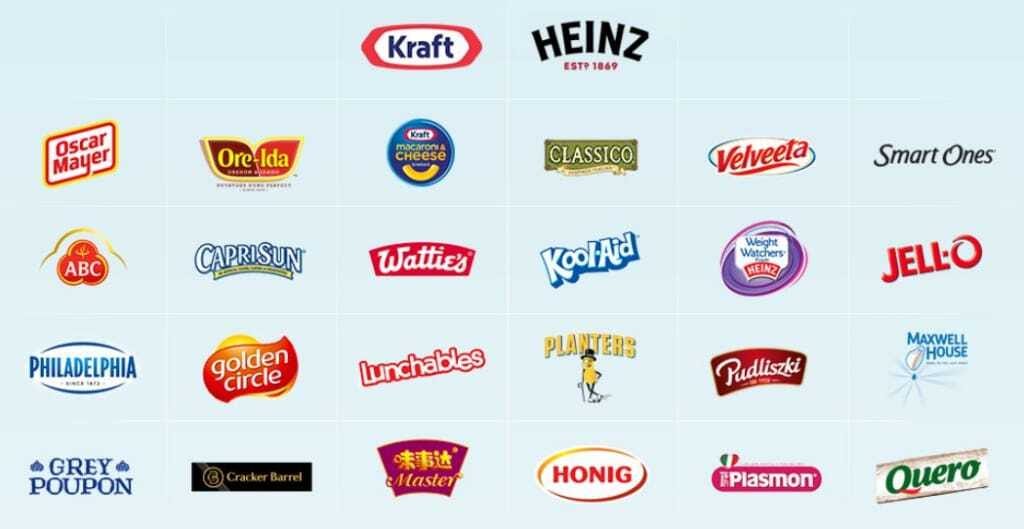
Image source: 42signals.com
Global Scale with Strategic Geographic Presence
Operating across more than 40 countries, Kraft Heinz maintains the infrastructure to compete on a truly global stage. The company is the third-largest food and beverage company in North America and the fifth-largest globally.
As outlined in its separation plans, Global Taste Elevation Co. will generate approximately $15.4 billion in annual net sales. Importantly, this entity will derive approximately 20% of sales from Emerging Markets and 20% from Away From Home channels.
Global Taste Elevation Co. Revenue Mix:
- Sauces, Spreads & Seasonings: ~75%
- Emerging Markets: ~20%
- Away From Home: ~20%
- North America: ~60%
- International Developed Markets: ~20%
This geographic diversification provides natural hedges against regional economic downturns. While North American sales have struggled with volume/mix declining 4.9 percentage points in the first nine months of 2025, Emerging Markets posted 5.4% organic net sales growth.
Operational Efficiency and Cash Flow Generation
Despite revenue headwinds, Kraft Heinz demonstrates impressive cash generation capabilities. Year-to-date through Q3 2025, the company achieved:
Cash Flow Metric | 2025 (9 months) | 2024 (9 months) | Change |
|---|---|---|---|
Operating Cash Flow | $3.1 billion | $2.8 billion | +10.4% |
Free Cash Flow | $2.5 billion | $2.0 billion | +23.3% |
Free Cash Flow Conversion | 109% | 75% | +34 pp |
This performance stems from the company’s goal to reach $2.5 billion in gross efficiencies by 2027, focusing on procurement, manufacturing, and logistics optimization.
The company maintains a debt-to-equity ratio of 0.51 as of Q3 2025, demonstrating moderate leverage. Management targets maintaining net leverage around 3.0x, preserving financial flexibility while returning capital to shareholders.
In 2025, Kraft Heinz returned $1.8 billion to shareholders through dividends and share repurchases. The separation is structured to maintain aggregate dividend levels, providing income-focused investors with continued cash returns.
Distribution Network and Retail Relationships
Kraft Heinz’s extensive distribution infrastructure represents decades of relationship-building. The company’s products reach consumers through multiple channels:
Distribution Channel Breakdown:
- Retail (Grocery & Mass Merchandisers): Primary channel
- Away From Home (Foodservice): Growing segment
- Convenience Stores: Strategic presence
- E-commerce: Expanding rapidly
- International Distributors: Market-specific partnerships
These relationships provide shelf space that emerging brands struggle to secure. Even as retailers expand private label offerings, Kraft Heinz’s category-leading brands command premium positioning.
Innovation Capabilities with AI Integration
While historically criticized for underinvestment in innovation, Kraft Heinz has begun leveraging artificial intelligence to accelerate product development. The company built an AI system that reduces product development time by 50%and slashes creative design timelines by 8x.
Recent innovations include:
HEINZ Flavor Tour Line: Three globally-inspired sauces launched in February 2025
KRAFT Creamy Sauces: Restaurant-quality sauce line expansion
Kraft Mac & Cheese Apple Pie: Limited-edition flavor innovation for Thanksgiving 2025
Weaknesses: Structural Challenges and Operational Headwinds
Persistent Volume Decline and Market Share Erosion
The most concerning trend for Kraft Heinz is consistent volume deterioration across core categories. Q3 2025 results showed volume/mix declining 3.5 percentage points year-over-year, with North America experiencing the steepest drops.
Segment | Q3 2025 Organic Sales Growth | Price Impact | Volume/Mix Impact |
|---|---|---|---|
North America | -3.8% | +0.4 pp | -4.2 pp |
International Developed Markets | -1.4% | +1.0 pp | -2.4 pp |
Emerging Markets | +4.7% | +4.0 pp | +0.7 pp |
The company’s pricing actions, implemented to offset inflationary pressures in commodity and manufacturing costs, have driven price-sensitive consumers toward private label alternatives.
Categories experiencing the most significant declines include coffee, cold cuts, frozen snacks, and certain condiments. These volume losses suggest brand loyalty erosion that pricing power alone cannot overcome.
Legacy Brand Portfolio Facing Relevance Challenges
Many of Kraft Heinz’s brands carry the burden of declining relevance among younger consumers. Products like Jell-O, Cool Whip, and certain Oscar Mayer offerings struggle to connect with health-conscious millennials and Gen Z consumers.
A Forbes analysis highlighted the company’s potential under the “Make America Healthy Again” movement, noting that many core products contain artificial ingredients and preservatives that consumers increasingly avoid.
Brand Age and Market Positioning:
- Heinz Ketchup: Established 1876 (148 years)
- Kraft Cheese: Established 1903 (121 years)
- Oscar Mayer: Established 1883 (141 years)
- Lunchables: Established 1988 (36 years)
While heritage provides trust, it can also signal “old-fashioned” to younger demographics seeking novel, authentic, or artisanal alternatives.
Gross Margin Compression and Profitability Pressure
Kraft Heinz faces sustained margin pressure from multiple directions. Q3 2025 showed:
Profitability Metric | Q3 2025 | Q3 2024 | Change |
|---|---|---|---|
Gross Profit Margin | 31.9% | 34.2% | -230 bps |
Adjusted Gross Profit Margin | 32.3% | 34.3% | -200 bps |
Operating Income | $1.0B | -$101M | +1,114.9% |
Adjusted Operating Income | $1.1B | $1.3B | -16.9% |
The operating income improvement masks underlying profitability challenges. Excluding prior-year impairment charges, adjusted operating income declined significantly due to:
Cost Inflation Outpacing Efficiency Gains: Commodity and manufacturing cost increases exceeded productivity improvements
Unfavorable Volume/Mix: Lower-margin products or channels gaining share
Increased Advertising Investment: Higher selling, general and administrative expenses
For full-year 2025, management expects Adjusted Gross Profit Margin down approximately 100 basis points versus prior year, with Constant Currency Adjusted Operating Income declining 10% to 12%.
Complex Organizational Structure Pre-Separation
The current structure creates operational inefficiencies. Managing 200+ brands across diverse categories, geographies, and channels dilutes focus and resource allocation.
Management acknowledged that “the complexity of our current structure makes it challenging to allocate capital effectively, prioritize initiatives and drive scale in our most promising areas,” according to Executive Chair Miguel Patricio.
The separation anticipates up to $300 million in dis-synergies, with management targeting mitigation of a substantial portion. However, duplicated corporate functions, technology systems, and supply chain separation will create short-term costs.
Historical Underinvestment in Brand Building
The zero-based budgeting approach implemented post-merger prioritized cost reduction over brand investment. This strategy resulted in marketing starvation for key brands.
The consequences became evident through massive impairment charges:
Major Impairment Losses (2018-2025):
- 2018-2019: $15.4 billion write-down
- 2024: $2.3 billion additional impairments
- Q3 2025: $9.3 billion goodwill/intangible impairments
- Total Brand Value Destruction: Over $37 billion
These write-downs represent lost brand equity from inadequate reinvestment. Products like Jell-O waited 10 years for a marketing refresh that should have occurred annually, allowing competitors and private labels to capture mind share.
Limited Exposure to High-Growth Categories
Kraft Heinz’s portfolio concentrates in mature, slow-growth categories. While competitors expand into plant-based proteins, functional beverages, and premium organic segments, Kraft Heinz remains anchored in traditional processed foods.
Category Growth Profile | Kraft Heinz Exposure | Industry Growth Trend |
|---|---|---|
Plant-Based Proteins | Minimal | High growth |
Functional/Enhanced Beverages | Limited | Rapidly expanding |
Organic/Natural Foods | Selective | Strong growth |
Traditional Processed Foods | Dominant | Flat to declining |
Premium/Artisanal | Developing | Growing |
This positioning leaves the company vulnerable to shifting consumer preferences, particularly among younger demographics prioritizing health, sustainability, and authentic ingredients.
Opportunities: Pathways to Value Creation
Strategic Focus Through Corporate Separation
The planned split into two entities represents the most significant restructuring opportunity. By creating focused companies with distinct strategies, Kraft Heinz addresses the complexity that has constrained performance.
Global Taste Elevation Co. will concentrate on high-margin condiments and sauces with international growth potential. With approximately 75% of sales from sauces, spreads and seasonings, this entity can pursue aggressive international expansion and premium innovation.
North American Grocery Co. will focus on operational efficiency and cash generation. With approximately 75% of brands ranked #1 or #2 in categories, this business can optimize costs while pursuing targeted growth in existing categories and away-from-home channels.
Separation Timeline and Milestones:
- September 2, 2025: Board approval announced
- December 16, 2025: CEO appointment (Steve Cahillane)
- January 1, 2026: New CEO assumes role
- Second Half 2026: Expected transaction close
- Post-Close: Two independent public companies
The separation enables customized capital allocation, with Global Taste Elevation investing in international growth and North American Grocery prioritizing cash returns.
Clean Label Transformation and Health Positioning
Kraft Heinz’s June 2025 commitment to remove all FD&C artificial colors from its U.S. portfolio before the end of 2027 represents a pivotal strategic shift.
This initiative addresses consumer concerns about artificial ingredients while positioning brands for regulatory changes. Nearly 90% of the portfolio already excludes FD&C colors, demonstrating feasibility.
Consumer Trend | Kraft Heinz Response | Market Opportunity |
|---|---|---|
Artificial Ingredient Avoidance | FD&C color removal by 2027 | Recapture health-conscious consumers |
Transparency | Simplified ingredient lists | Premium pricing potential |
Portion Control | Smaller package innovations | Address health concerns |
Protein Enhancement | Product reformulation | Align with macro trends |
Food trends for 2026 emphasize fiber (“fibermaxxing”), gut health, and functional ingredients. Kraft Heinz can reformulate products to capture these preferences while maintaining taste profiles consumers trust.
The company’s brands already possess consumer permission to evolve. Heinz successfully introduced plant-based mayo alternatives, demonstrating brand elasticity. Extending this approach across the portfolio could unlock significant growth.
Emerging Market Expansion with Local Adaptation
While North America struggles, Emerging Markets delivered 5.4% organic net sales growth in the first nine months of 2025. This performance demonstrates untapped potential.
Global Taste Elevation Co. will derive approximately 20% of sales from Emerging Markets, with significant growth runway. Rising disposable incomes and changing dietary preferences favor ready-to-eat and packaged foods in developing economies.
Emerging Market Growth Drivers:
1. Urbanization: Migration to cities increases convenience food demand
2. Rising Middle Class: Growing purchasing power for branded products
3. Retail Modernization: Improved distribution infrastructure
4. Western Influence: Adoption of international food preferences
5. Working Women: Time-starved households seek convenience
Kraft Heinz can leverage its global brands while adapting to local tastes. Heinz already tailors ketchup formulations for regional preferences. Expanding this localization approach across condiments and sauces positions the company for sustainable international growth.
CEO Carlos Abrams-Rivera hinted at African expansion in October 2025, noting the continent’s “untapped agricultural potential, diverse crops, and authentic local flavors.” This represents a bold move into markets with significant long-term potential.
Digital Commerce and Direct-to-Consumer Channels
E-commerce penetration in food and beverage continues rising, accelerated by pandemic behavioral shifts that proved permanent. Kraft Heinz can leverage digital channels for multiple strategic advantages:
Enhanced Consumer Data: Direct relationships provide insights into purchasing patterns, preferences, and price sensitivity that wholesale relationships cannot deliver.
Premium Product Testing: Digital channels enable targeted launches of higher-margin innovations to specific consumer segments without national retail commitments.
Subscription Models: Regular-use products like coffee, condiments, and pantry staples suit subscription economics, providing predictable revenue streams.
Personalization: AI-powered recommendations can increase basket sizes and introduce consumers to adjacent products within the portfolio.
Digital Strategy Element | Implementation Approach | Expected Benefit |
|---|---|---|
Enhanced E-commerce Presence | Optimized product listings, sponsored placements | Increased online market share |
Direct-to-Consumer Platform | Subscription offerings, exclusive products | Higher margins, consumer data |
Social Commerce | Instagram/TikTok shopping integration | Reach younger demographics |
Influencer Partnerships | Authentic recipe content creation | Improved brand relevance |
The away-from-home channel, representing 20% of Global Taste Elevation Co. sales, also offers digital opportunities. Digital ordering platforms for foodservice create new touchpoints with restaurant operators and institutional buyers.
New CEO Leadership with Turnaround Expertise
Steve Cahillane’s appointment as CEO effective January 1, 2026, brings relevant experience from his tenure as Chairman, President and CEO of Kellanova (formerly Kellogg Company).
Cahillane successfully navigated Kellanova through its own strategic separation, splitting into two focused companies before overseeing its recent acquisition. His career includes senior leadership positions at The Nature’s Bounty Co., The Coca-Cola Company, and AB InBev, establishing him as a brand-focused executive with substantial operational experience.
CEO Transition Key Attributes:
- Industry Experience: Decades in food and beverage
- Separation Expertise: Led Kellogg through similar restructuring
- Brand Building: Strong marketing orientation
- Operational Focus: Proven efficiency improvement track record
- M&A Navigation: Successfully managed complex transactions
New leadership often catalyzes strategic shifts. Cahillane can objectively assess the portfolio, accelerate underperforming brand divestitures, and redirect resources toward growth opportunities without legacy attachment to historical approaches.
Portfolio Optimization Through Strategic Divestitures
The separation creates opportunities for further portfolio refinement. Both resulting entities can divest non-core or underperforming brands to fund growth in priority areas.
Potential divestiture candidates include brands with declining relevance, limited growth potential, or poor strategic fit with the post-separation entities. Proceeds can fund innovation, international expansion, debt reduction, or shareholder returns.
Reuters reported that the new CEO will oversee the corporate split and possible asset sales, suggesting management recognizes the need for continued portfolio optimization.
This approach follows industry precedent. Major food companies including Nestlé, Mars, and Unilever are reshaping portfolios through acquisitions and divestitures, focusing resources on highest-potential brands.
Intensifying Private Label Competition
Private label brands represent the most existential threat to Kraft Heinz’s business model. Private-label market share in the U.S. is gaining ground over branded products, with sales forecast to reach all-time highs.
Recent data shows private label sales increased approximately 4% to a record $271 billion in 2024. More concerning than volume, consumer perception is shifting. Over 80% of U.S. consumers rate private-brand food products the same or better quality than national brands.
Category | Private Label Share | Growth Trajectory | Threat Level |
|---|---|---|---|
Cheese Products | Rising | Accelerating | High |
Processed Meats | Significant | Steady | Moderate-High |
Condiments | Growing | Moderate | Moderate |
Frozen Foods | Established | Expanding | High |
Pantry Staples | Strong | Increasing | High |
Retailers possess advantages Kraft Heinz cannot easily counter. They control shelf placement, promotional calendars, and increasingly sophisticated consumer data. As Mondelēz and J.M. Smucker resort to lawsuits alleging discount retailers copy their packaging, the threat’s seriousness becomes evident.
Private labels no longer compete solely on price. Premium private label offerings match national brand quality while maintaining 15-25% price advantages. This quality improvement removes the primary defense that branded manufacturers previously relied upon.
Continued Inflationary Pressure on Input Costs
Commodity cost volatility remains a persistent challenge. Coffee, dairy, wheat, tomatoes, and proteins all experience price fluctuations that impact gross margins.
Kraft Heinz faces particular exposure to:
Coffee Costs: The company’s coffee business experienced significant pressure, with coffee cited as a major contributor to Q3 volume declines.
Dairy Inflation: Cheese products (Kraft Singles, Philadelphia, Velveeta) face milk and cheese commodity exposure.
Wheat Pricing: Mac & Cheese and pasta products depend on wheat, subject to agricultural cycles and global supply dynamics.
Meat Costs: Oscar Mayer products face ongoing pressure from livestock costs and processing capacity constraints.
Cost Inflation Management Challenges:
- Pricing Actions: Consumer resistance limits pricing power
- Hedging Strategies: Require accurate forecasting and timing
- Reformulation: Must maintain taste while reducing costs
- Productivity Gains: Efficiency improvements needed but limited
- Supplier Negotiation: Leverage constraints in tight markets
Management noted that inflationary pressures in commodity and manufacturing costs outpaced efficiency initiatives in Q3 2025, suggesting the company struggles to fully offset cost increases through pricing or productivity.
Future inflation remains difficult to predict. Geopolitical tensions, climate events affecting agriculture, and energy costs all influence input prices. This uncertainty complicates financial planning and margin management.
Changing Consumer Preferences Toward Health and Wellness
Demographic shifts create structural headwinds for processed food companies. Millennials and Gen Z consumers prioritize:
Ingredient Transparency: Consumers scrutinize labels, avoiding artificial additives, preservatives, and hard-to-pronounce ingredients that dominate traditional Kraft Heinz products.
Health-Conscious Formulations: Lower sodium, reduced saturated fat, added protein, and enhanced fiber content increasingly drive purchase decisions.
Sustainability: Environmental impact of food production, packaging waste, and corporate responsibility influence brand perception.
Authenticity: Preference for smaller, artisanal brands perceived as more authentic than mass-market processed foods.
Food trends for 2026 emphasize “maxxing” out dietary diversity, intentional sensory experiences, and trust in traditional ingredients over processed alternatives. These trends work against Kraft Heinz’s core portfolio positioning.
Consumer Preference Shift | Impact on Kraft Heinz | Response Difficulty |
|---|---|---|
Plant-Based Diets | Challenges meat-centric brands | Moderate (reformulation possible) |
Reduced Sodium | Affects taste profiles | High (significant R&D required) |
Artificial Ingredient Avoidance | Threatens current formulations | Moderate (commitment made) |
Organic Preferences | Premium pricing competition | High (supply chain transformation) |
Smaller Brand Appeal | Erodes legacy brand equity | Very High (perception difficult to change) |
The company’s clean label commitment addresses some concerns, but execution risks remain. Reformulation must maintain taste that built brand loyalty while meeting modern ingredient standards. This balancing act has proven challenging for many established brands.
Aggressive Competition from Diversified Food Conglomerates
Kraft Heinz faces formidable competitors with greater resources and often more diversified portfolios. Major competitors include:
Nestlé: The world’s largest food company operates across categories from coffee to pet food, with stronger innovation pipelines and significant R&D investment.
PepsiCo: Combines beverages with snacks, providing cross-promotion opportunities and consumer touchpoints Kraft Heinz lacks.
Unilever: Maintains diverse food, personal care, and home care portfolios, spreading risk and leveraging shared infrastructure.
Mondelēz International: Focuses on snacks and confectionery with strong international presence and premium positioning.
General Mills: Competes directly in multiple categories with similar scale but different strategic approaches.
Kraft Heinz holds approximately 10.86% market share in its primary competitive set as of Q3 2025, while competitors like Tyson Foods command over 23%. This suggests competitive positioning challenges.
Competitive Disadvantages:
- Innovation Pipeline: Slower new product development
- Marketing Investment: Historical underinvestment vs. peers
- Brand Portfolio: Concentration in mature categories
- International Presence: Weaker than global leaders
- Financial Flexibility: Higher leverage constrains investments
Competitors also pursue aggressive M&A strategies. Mars, Nestlé, Ferrero, and Unilever are reshaping the food and beverage landscape through bold acquisitions. While Kraft Heinz focuses on separation, competitors expand capabilities and market positions.
Execution Risks Associated with Separation
The planned split creates significant execution challenges. Corporate separations are complex, expensive, and often encounter unforeseen difficulties.
Operational Separation: Disentangling shared systems, facilities, and functions requires 12-18 months minimum. During this period, management attention diverts from day-to-day operations and competitive responses.
Talent Retention: Key employees face uncertainty about their post-separation roles. Competitors may poach critical talent during transition periods.
Cost Dis-synergies: The anticipated $300 million in dis-synergies may prove conservative. Duplicating corporate functions, technology infrastructure, and supply chain networks often costs more than projected.
Market Reception: Investors may view separated entities as less attractive than the combined company, potentially pressuring valuations for both.
Debt Allocation: Determining appropriate capital structures while maintaining investment-grade ratings for both entities constrains financial flexibility.
Separation Risk Category | Potential Impact | Mitigation Approach |
|---|---|---|
Technology Systems | Operations disruption | Phased migration strategy |
Supply Chain Split | Efficiency loss | Shared services agreements |
Talent Departure | Knowledge loss | Retention packages |
Customer Uncertainty | Volume loss | Clear communication |
Cost Overruns | Margin pressure | Contingency planning |
A Supply Chain Digital analysis raised concerns about “yet another collection of supply chain and customer fulfillment challenges with needs to again dislocate facilities,” suggesting industry observers question whether lessons from previous restructurings inform current planning.
The transaction’s second-half 2026 timeline provides limited margin for delays. Regulatory approvals, tax rulings, and SEC filings all introduce potential complications that could extend timelines or increase costs.
Regulatory Scrutiny on Food Additives and Marketing
Increased regulatory attention on food ingredients poses compliance and reformulation costs. The removal of FD&C colors represents proactive positioning, but regulatory landscapes continue evolving.
Marketing Restrictions: Several jurisdictions consider restrictions on marketing processed foods to children, potentially affecting Lunchables and other kid-focused products.
Labeling Requirements: Enhanced disclosure requirements for sodium, sugar, and saturated fat content may require front-of-package warnings that discourage purchases.
Artificial Sweetener Scrutiny: Regulatory review of artificial sweeteners used in some Kraft Heinz products could necessitate reformulation.
Environmental Regulations: Packaging waste regulations, carbon taxes, and sustainability reporting requirements create compliance costs.
Regulatory Risk Timeline:
- 2025-2026: Artificial dye removal implementation
- 2026-2027: Evolving nutrition labeling standards
- 2027-2028: Potential marketing restrictions
- 2028+: Sustainability/environmental compliance
Compliance costs disproportionately affect established manufacturers with legacy formulations. Smaller competitors or new entrants designing products for current standards avoid expensive reformulation.
International operations face varied regulations across markets. Ingredient approved in the U.S. may face restrictions in Europe or emerging markets, complicating global product strategies.
My Final Thoughts
Kraft Heinz stands at a defining moment. The planned separation into two focused entities addresses legitimate complexity and capital allocation challenges, potentially unlocking value through operational focus. The appointment of experienced CEO Steve Cahillane provides leadership with relevant turnaround expertise.
However, the underlying business faces significant headwinds. Persistent volume declines, margin compression, and private label competition reflect structural challenges that organizational restructuring alone cannot solve. The company must simultaneously execute a complex separation while reformulating products, revitalizing brands, and competing against better-positioned rivals.
For investors, the opportunity depends on execution. Success requires:
The clean label commitment and emerging market potential offer genuine growth pathways, but require sustained investment that historically proved elusive. The separation’s anticipated dis-synergies may prove conservative, pressuring near-term margins.
From an investment perspective, both post-separation entities will demand careful evaluation of their distinct strategies, management teams, and capital structures. Global Taste Elevation Co. offers international growth exposure with premium product positioning, while North American Grocery Co. provides stable cash generation but limited growth prospects.
The next 18 months will determine whether this separation creates value or merely reorganizes decline.
Disclaimer: This analysis is for informational purposes only and should not be construed as investment advice. Investors should conduct their own due diligence and consult with financial advisors before making investment decisions.

Reply