

With Q3 2025 revenues reaching $3.75 billion, Regeneron Pharmaceuticals $REGN ( ▲ 0.11% ) continues to demonstrate resilience while navigating patent challenges, regulatory hurdles, and intense competition.
For investors seeking exposure to the biologics sector, understanding Regeneron’s strategic position has never been more critical.
Founded in 1988 and headquartered in Tarrytown, New York, Regeneron has evolved into one of the world’s largest biotechnology companies, with a market capitalization exceeding $80 billion.
As the company transitions from its Eylea-dominant era to a more diversified portfolio, this comprehensive SWOT analysis examines the strategic factors that will shape Regeneron’s trajectory through 2026 and beyond.
Table of Contents
Strengths: Foundation for Sustainable Growth
Dupixent: The Cornerstone Revenue Driver
Dupixent has emerged as Regeneron’s most valuable asset and one of the pharmaceutical industry’s fastest-growing biologics. In Q3 2025 alone, global net sales reached $4.86 billion, representing a robust 27% year-over-year increase. This remarkable performance positions Dupixent among the top-selling drugs globally and provides Regeneron with a substantial revenue foundation that extends well into the next decade.
The drug’s commercial success stems from its versatility across multiple indications. Originally approved for atopic dermatitis, Dupixent now treats a diverse range of conditions including chronic spontaneous urticaria, eosinophilic esophagitis, chronic obstructive pulmonary disease (COPD), and most recently, bullous pemphigoid.
Each new indication expands the addressable market and creates additional revenue streams that compound growth.
DUPIXENT REVENUE TRAJECTORY (2023-2025)

Q3 2023: $3.83 billion
Q3 2024: $3.82 billion
Q3 2025: $4.86 billion

Year-over-Year Growth: +27.2%
Quarterly Growth Rate: +6.5% (Q2 to Q3 2025)
From a patent protection perspective, Dupixent offers substantial runway with exclusivity extending to 2031, providing nearly six more years of market protection. This extended timeline allows Regeneron to maximize profitability while investing in next-generation therapies and pipeline development.
The strategic partnership with Sanofi further amplifies Dupixent’s value. Under this collaboration agreement, Regeneron records its share of profits from antibody commercialization, which reached $1.46 billion in Q3 2025, up from $1.09 billion in Q3 2024.
This profit-sharing model provides significant financial benefits while leveraging Sanofi’s global commercial infrastructure and market access capabilities.
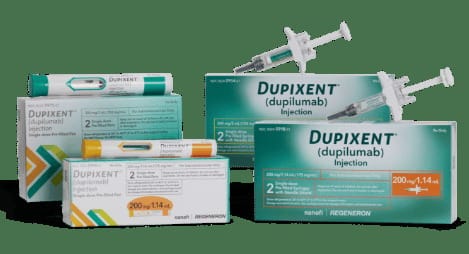
Image source: dupixenthcp.com
Proprietary Technology Platform: VelocImmune and VelociSuite
Regeneron’s competitive moat extends beyond its current product portfolio to encompass its proprietary drug discovery platforms. The VelocImmune technology represents a paradigm shift in antibody development, utilizing genetically humanized mice to rapidly generate fully human antibodies.
This platform dramatically accelerates the timeline from target identification to clinical candidate selection while improving the quality and success rate of therapeutic antibodies.
The broader VelociSuite encompasses multiple complementary technologies that support end-to-end drug development:
Technology Component
Function
Strategic Advantage
VelocImmune
Humanized mouse platform for antibody discovery
Produces optimized fully human antibodies with superior binding characteristics
VelociGene
High-throughput gene modification
Enables rapid target validation and functional genomics
VelociMab
Bispecific antibody generation
Creates novel therapeutic formats addressing complex diseases
VelociT
Costimulatory antibody platform
Develops next-generation immunotherapies
This integrated technology platform has enabled Regeneron to build what CEO Leonard Schleifer describes as a “homegrown” pipeline of approximately 45 product candidates across diverse therapeutic areas.
Unlike many competitors who rely heavily on licensing and acquisitions, Regeneron’s internal innovation engine provides greater control over development timelines, intellectual property, and economic returns.
The platform’s value extends beyond internal use through licensing agreements. Major pharmaceutical companies, including Astellas, AstraZeneca, and others, have licensed VelocImmune technology, generating upfront payments, milestone revenues, and royalties that provide non-dilutive funding for research activities.
AstraZeneca - SWOT Analysis Report (2026)
www.deepresearchglobal.com/p/astrazeneca-swot-analysis-report
Expanding Oncology Franchise
Regeneron’s oncology portfolio represents a strategic growth vector that diversifies revenue sources and taps into one of the pharmaceutical industry’s largest and fastest-growing segments. The global cancer therapeutics market exceeded $214 billion in 2025 and continues accelerating, driven by rising cancer incidence, improved diagnostics, and expanding treatment options.
At the forefront of this franchise stands Libtayo (cemiplimab), which achieved $365 million in global sales during Q3 2025, representing 26% year-over-year growth.
The FDA’s October 2025 approval of Libtayo as the first and only immunotherapy for adjuvant treatment of high-risk cutaneous squamous cell carcinoma (CSCC) marks a transformational milestone. This approval opens access to a substantial patient population seeking to prevent recurrence after surgery and radiation.
The adjuvant CSCC indication could eventually add $1 billion to Libtayo’s annual sales, according to RBC Capital Markets analyst Brian Abrahams, expanding the addressable market within the estimated $27.5 billion CSCC treatment market.
Beyond skin cancer, Libtayo continues expanding its label for non-small cell lung cancer (NSCLC), with five-year overall survival data demonstrating more than double the survival rate compared to chemotherapy alone (19.4% vs. 8.8%).
LIBTAYO SALES PERFORMANCE (Q3 2024 vs Q3 2025)

U.S. Sales
Q3 2024: $195 million
Q3 2025: $219 million
Growth: +12%

Rest of World Sales
Q3 2024: $94 million
Q3 2025: $146 million
Growth: +55%

Total Global Sales
Q3 2024: $289 million
Q3 2025: $365 million
Growth: +26%
The oncology pipeline extends beyond Libtayo with bispecific antibodies including Lynozyfic (linvoseltamab) for multiple myeloma and Ordspono (odronextamab) for B-cell malignancies.
These next-generation immunotherapies leverage Regeneron’s bispecific antibody expertise to create more targeted and potentially more effective cancer treatments.
Manufacturing Excellence and Capacity Expansion
Regeneron’s commitment to vertical integration and manufacturing excellence positions the company to meet surging demand while maintaining product quality and supply chain resilience.
In November 2025, Governor Kathy Hochul announced that Regeneron would invest more than $2 billion in a new 1-million-square-foot manufacturing facility in Saratoga Springs, New York.
This massive expansion, expected to create 1,000 new high-skilled jobs, will nearly double Regeneron’s existing manufacturing capacity in New York State.
The facility’s scale and sophistication reflect the company’s long-term growth expectations and commitment to domestic manufacturing, positioning Regeneron to capitalize on increasing demand for biologics while maintaining control over critical production processes.
The manufacturing strategy extends beyond internal capabilities through strategic partnerships. The collaboration with FUJIFILM Diosynth Biotechnologies announced in April 2025 provides additional production capacity for key therapeutic antibodies, creating redundancy and flexibility in the supply chain.
Financial Strength and Capital Allocation Discipline
Regeneron’s financial position provides substantial flexibility to invest in growth initiatives while returning capital to shareholders. The company generated $3.8 billion in operating cash flow during the first nine months of 2025, supporting both organic growth investments and shareholder returns.
Capital allocation priorities reflect a balanced approach:
Capital Allocation Category
9M 2025 Investment
Strategic Rationale
Research & Development
~$4.2 billion
Fund pipeline development and platform enhancement
Capital Expenditures
~$650 million
Expand manufacturing capacity and infrastructure
Share Repurchases
>$2.3 billion
Return excess capital and offset dilution
Dividends
~$700 million
Provide consistent shareholder returns
This disciplined approach demonstrates management’s confidence in the business while maintaining financial flexibility to pursue strategic opportunities. With $18.7 billion in cash and marketable securities as of September 30, 2025, Regeneron possesses substantial resources to weather market volatility, fund internal development, and pursue strategic acquisitions or partnerships.
The balance sheet strength is particularly valuable given the capital-intensive nature of biologics development and manufacturing. Long development timelines, high failure rates, and substantial manufacturing investments require deep pockets and patient capital that Regeneron can provide without external financing dependencies.
Weaknesses: Challenges Requiring Strategic Mitigation
Eylea Franchise Under Pressure
The Eylea franchise, historically Regeneron’s largest revenue source, faces mounting headwinds that significantly impact overall financial performance. Combined U.S. sales of Eylea and Eylea HD totaled $1.11 billion in Q3 2025, down 28% year-over-year, reflecting intensifying competition and market dynamics.
Multiple factors contribute to this erosion:
Biosimilar Competition Timeline
The most significant threat comes from impending biosimilar entry. Regeneron has reached settlements with multiple biosimilar developers including Sandoz, Formycon, Celltrion, and most recently Alvotech/Teva, all permitting U.S. market entry in Q4 2026. This coordinated biosimilar wave could rapidly erode Eylea’s market share, with analysts projecting sales declines of approximately 20% in 2026 alone.
Competitive Dynamics
Beyond biosimilars, Roche’s Vabysmo has captured significant market share through superior dosing convenience and comparable efficacy. The intense competition in ophthalmology biologics has compressed pricing power and required increased marketing expenditures to maintain market position.
Compounded Bevacizumab Disruption
Particularly concerning for investors is the growth of compounded bevacizumab, an off-label treatment offering dramatic cost savings compared to branded anti-VEGF therapies. Patient affordability constraints have driven substantial volume shifts to this lower-cost alternative, particularly affecting commercially insured patients with high deductibles.
EYLEA FRANCHISE PERFORMANCE TRENDS

                  Q3 2024    Q3 2025    Change
Eylea U.S.        $1,145M    $681M      -41%
Eylea HD U.S.     $392M      $431M      +10%
Total U.S.        $1,537M    $1,112M    -28%
Bayer (ex-U.S.)   $932M      $854M      -8%
Image source: drugs.com
The transition to Eylea HD, while strategically sound, has proceeded more slowly than anticipated. Manufacturing challenges at third-party contractor Catalent have complicated regulatory approvals and market uptake.
In October 2025, the FDA issued a Complete Response Letter for the Eylea HD pre-filled syringe due to unresolved inspection findings at the Catalent facility, delaying this important convenience factor that could accelerate adoption.
Regulatory Setbacks and Manufacturing Dependencies
Regeneron’s reliance on third-party contract manufacturers has created unexpected vulnerabilities that have delayed key product launches and created regulatory complications. The Catalent Indiana facility issues exemplify these challenges, affecting multiple programs simultaneously.
Odronextamab Delays
The company’s follicular lymphoma candidate odronextamab received a second Complete Response Letter in August 2025, citing manufacturing issues at the Catalent site. This setback significantly extends the timeline to commercialization and risks allowing competitors to establish market presence in B-cell malignancies.
Linvoseltamab Manufacturing Resolution
The company’s bispecific antibody linvoseltamab (now branded Lynozyfic) faced similar hurdles before ultimately receiving FDA approval after resolving fill/finish manufacturing challenges. This experience highlights both the solvability of manufacturing issues and the time and resources required to address them.
Strategic Implications
These regulatory challenges underscore a broader strategic vulnerability around manufacturing partnerships. While contract manufacturing provides flexibility and capital efficiency, it also introduces dependencies on third-party quality systems and compliance that can derail otherwise successful development programs. The Saratoga Springs facility investment partially addresses this concern but won’t fully eliminate reliance on external partners for specialized manufacturing capabilities.
Portfolio Concentration Risk
Despite diversification efforts, Regeneron remains heavily dependent on two franchises: Dupixent and Eylea. These products collectively represented approximately 80% of total revenues in recent quarters, creating vulnerability to competitive dynamics, regulatory actions, or unexpected safety issues affecting either franchise.
The concentration manifests across multiple dimensions:
Revenue Dependency
REVENUE CONTRIBUTION ANALYSIS (Q3 2025)

Dupixent (Sanofi share):        $1,617M (43%)
Eylea/Eylea HD:                 $1,112M (30%)
Libtayo:                        $365M  (10%)
Other products:                 $110M  (3%)
Other collaboration/revenue:     $550M  (14%)
Therapeutic Area Concentration
The company’s commercial revenues concentrate heavily in ophthalmology and immunology, with oncology and rare diseases representing smaller but growing contributions. This therapeutic concentration creates exposure to indication-specific risks including competing mechanisms of action, changes in treatment guidelines, and payor coverage decisions.
Geographic Concentration
U.S. markets generate the majority of profits, creating vulnerability to domestic pricing pressures, regulatory changes, and Inflation Reduction Act provisions. While international expansion progresses, particularly for Libtayo, global revenue diversification remains limited compared to large pharmaceutical peers.
Research and Development Execution Risks
Regeneron’s substantial R&D investment of approximately $5.2 billion in 2025 reflects ambitious development goals across 45 pipeline candidates. However, this broad portfolio creates execution risks and resource allocation challenges.
Clinical Development Complexity
Managing numerous simultaneous clinical programs across diverse indications stretches organizational capabilities and dilutes management attention. While the VelocImmune platform improves hit rates, the inherent uncertainty of drug development means many programs will ultimately fail, representing substantial sunk costs.
Timeline Uncertainty
Several key pipeline programs face uncertain approval timelines. DB-OTO for genetic hearing loss and garetosmab for fibrodysplasia ossificans progressiva both plan regulatory submissions in Q4 2025, but approval timing and commercial potential remain speculative. Delays in these programs could disappoint investors expecting near-term pipeline catalysts.
Competitive Pressures in Target Indications
Many of Regeneron’s development programs target crowded therapeutic areas with multiple competing mechanisms. In oncology particularly, the company competes against larger, more established franchises from Bristol Myers Squibb, Merck, and Roche. Success requires not just regulatory approval but demonstrable differentiation that justifies premium pricing and drives adoption.
Opportunities: Growth Catalysts for 2026 and Beyond
Next-Generation Therapies in Advanced Development
Regeneron’s pipeline contains multiple late-stage candidates with substantial commercial potential that could drive growth acceleration in 2026 and beyond. These programs span diverse therapeutic areas and leverage the company’s core capabilities in antibody engineering, gene therapy, and genetic insights.
DB-OTO Gene Therapy for Congenital Deafness
Perhaps the most exciting near-term opportunity comes from DB-OTO, Regeneron’s investigational gene therapy for profound genetic hearing loss caused by OTOF gene variants. Updated data published in The New England Journal of Medicine demonstrated that 11 of 12 children achieved clinically meaningful hearing improvements, with three attaining normal hearing ranges.
The therapeutic and commercial significance cannot be overstated. This represents a potentially curative treatment for a condition with no effective alternatives beyond cochlear implants. The FDA recognized DB-OTO’s potential by awarding one of the inaugural Commissioner’s National Priority Vouchers, designed to reduce review time to just 1-2 months. A regulatory filing is planned for Q4 2025, positioning potential approval for early 2026.
The commercial opportunity extends beyond the immediate patient population. Success with DB-OTO validates Regeneron’s gene therapy capabilities and creates optionality for additional hearing loss indications and other genetic disorders addressable through similar approaches.
Garetosmab for Fibrodysplasia Ossificans Progressiva
Garetosmab demonstrated remarkable efficacy in Phase 3 trials for FOP, an ultra-rare genetic disorder characterized by progressive heterotopic ossification. The trial met its primary endpoint, showing 90% or greater reduction in new bone lesions compared to placebo, with more than 99% reduction in total lesion volume.
While the addressable patient population is small, orphan drug economics support premium pricing that could generate substantial margins. More importantly, success in rare diseases validates Regeneron’s ability to efficiently develop and commercialize treatments for small patient populations, a competency that opens additional development opportunities.
Allergen-Blocking Antibodies
The company announced positive Phase 3 results for first-in-class allergen-blocking antibodies targeting cat and birch allergies. These candidates met primary and key secondary endpoints, significantly reducing allergy symptoms with single doses. Additional Phase 3 development is planned to begin before year-end 2025.
The allergy market represents substantial commercial opportunity, with millions of patients inadequately controlled on current therapies. Allergen-specific antibodies offer a differentiated mechanism that could command premium positioning and expand Regeneron’s immunology franchise beyond inflammatory diseases into allergic conditions.
Expansion into Genetic Medicine and Cell Therapy
Regeneron’s Regeneron Genetics Center represents a strategic asset that increasingly drives drug discovery and creates opportunities for genetic medicine applications. The center has analyzed genetic data from over 1 million participants, generating unprecedented insights into disease biology and therapeutic targets.
Genetic Validation of Targets
Human genetic evidence significantly improves the probability of clinical success for drug development programs. Targets with genetic validation demonstrating that naturally occurring loss-of-function mutations protect against disease show 2-3 times higher success rates in clinical development compared to targets without such validation.
Regeneron has systematically applied genetic insights to identify and validate new therapeutic targets across its portfolio. This approach has already yielded approved medicines including Praluent (alirocumab) for cholesterol reduction and Evkeeza (evinacumab) for homozygous familial hypercholesterolemia, both identified through genetic studies revealing protective mutations.
Cell Therapy Expansion
The collaboration with Sonoma Biotherapeutics announced in 2023 positions Regeneron to enter regulatory T cell therapy for autoimmune diseases. This partnership combines Sonoma’s cell therapy expertise with Regeneron’s deep understanding of immune regulation and commercial capabilities.
Cell therapy represents the next frontier in biologics, with potential to provide curative or long-lasting disease modification rather than chronic treatment requirements. Success in this modality could fundamentally reshape Regeneron’s long-term growth profile and competitive positioning.
Market Expansion Through Indication Extensions
Beyond new molecular entities, Regeneron possesses substantial opportunities to expand existing products into additional indications, leveraging established safety profiles and commercial infrastructure to accelerate adoption.
Dupixent Indication Expansion
Dupixent’s versatility as an IL-4/IL-13 pathway inhibitor enables evaluation across numerous type 2 inflammatory conditions. Recent regulatory activities highlight this potential:
Indication
Status
Market Opportunity
Timeline
Chronic Spontaneous Urticaria
EU CHMP positive opinion (Sept 2025)
Substantial unmet need in antihistamine-refractory patients
EU approval expected Q4 2025/Q1 2026
Bullous Pemphigoid
FDA approved (June 2025)
Rare autoimmune blistering disorder with limited treatment options
Already commercialized
Prurigo Nodularis
Approved in multiple markets
Severely pruritic skin condition with high unmet need
Market development ongoing
Hand Eczema
Under development
Large patient population with limited effective therapies
Clinical development ongoing
Each new indication creates incremental revenue opportunity while reinforcing Dupixent’s position as a foundational therapy for type 2 inflammatory diseases. The cumulative effect of multiple indications creates competitive moats through physician familiarity, payor relationships, and patient support infrastructure.
Libtayo Expansion in Oncology
Beyond the recently approved adjuvant CSCC indication, Libtayo continues expanding across the lung cancer continuum. The drug demonstrated five-year overall survival data in NSCLC showing durable responses that more than double survival rates compared to chemotherapy alone.
Additional opportunities exist in earlier treatment lines, combinations with other modalities, and other solid tumor types where PD-1 inhibition demonstrates activity. The relatively late entry into the PD-1 inhibitor market compared to Merck’s Keytruda and Bristol Myers Squibb’s Opdivo creates challenges but also provides clear data on where differentiation and opportunity exist.
Strategic Partnerships and Business Development
Regeneron’s strong balance sheet and proven drug development capabilities position the company to pursue strategic collaborations, licensing opportunities, and acquisitions that could accelerate growth and diversify risk.
Technology Platform Licensing
The VelocImmune platform continues generating partnership interest from pharmaceutical companies seeking to enhance their antibody discovery capabilities. These collaborations provide non-dilutive research funding, milestone payments, and future royalties while validating the platform’s technological leadership.
Recent collaborations, including the 2022 partnership with CytomX focused on conditionally activated biologics, demonstrate willingness to combine proprietary technologies with complementary capabilities from innovative partners.
Geographic Expansion
While Regeneron maintains strong U.S. market presence, international markets represent significant growth opportunities. The Sanofi partnership provides European and other markets access for antibody products, but opportunities exist to expand commercial presence in high-growth markets including China, where regulatory approvals have accelerated and biologics adoption continues rising.
Japan represents another attractive market, with recent Dupixent approval for pediatric asthma highlighting expanding presence. Additional regulatory approvals and commercial infrastructure investments could unlock substantial revenue from international markets that currently represent minority contributions.
Industry Tailwinds in Biologics and Immunotherapy
Regeneron benefits from secular trends driving growth across biologics and immunotherapy segments that are projected to expand dramatically through 2030 and beyond.
Biologics Market Expansion
The global biologics market is projected to reach $1.01 trillion by 2035, growing at 7.6% compound annual growth rate. This expansion reflects biologics’ superior efficacy, increasing physician comfort with complex therapies, improving reimbursement coverage, and pipeline productivity across the industry.
Regeneron is particularly well-positioned to capitalize on this growth given its expertise in antibody engineering, manufacturing capabilities, and commercial infrastructure targeting biologics-intensive therapeutic areas including oncology, immunology, and ophthalmology.
Immunotherapy Adoption Acceleration
The immunotherapy drugs market is projected to exceed $526 billion by 2034, with checkpoint inhibitors, CAR-T therapies, and bispecific antibodies driving growth. As more patients receive immunotherapy across cancer types and at earlier treatment lines, companies with differentiated immunology platforms benefit from increasing market opportunity.
Regeneron’s bispecific antibody platform positions the company to develop next-generation immunotherapies that address limitations of current PD-1/PD-L1 inhibitors. The company’s advancing programs in hematologic malignancies and solid tumors could capture meaningful share of this expanding market.
Precision Medicine and Genetic Insights
The shift toward precision medicine, where treatments are selected based on individual patient characteristics, aligns perfectly with Regeneron’s genetic research capabilities. The Regeneron Genetics Center provides competitive advantage in identifying patient subpopulations most likely to respond to specific therapies, enabling more targeted clinical development and commercial positioning.
This capability becomes increasingly valuable as regulators and payors demand demonstration of value in specific patient populations rather than broad label approvals. Companies that can identify and validate biomarkers enabling patient selection will command premium pricing and preferential market access.
Threats: External Challenges and Competitive Pressures
Intensifying Biosimilar Competition
The biosimilar wave represents perhaps the single greatest threat to Regeneron’s near-term financial performance, with multiple high-quality competitors preparing to enter markets for the company’s most valuable products.
Eylea Biosimilar Tsunami
As previously discussed, Q4 2026 will see the coordinated entry of at least four Eylea biosimilars from well-capitalized developers including Sandoz (Novartis), Formycon, Celltrion, and Alvotech/Teva. These products will likely launch at 30-40% discounts to Eylea list prices, creating powerful incentives for payor substitution and physician switching.
Historical biosimilar penetration patterns suggest rapid market share erosion is likely:
HISTORICAL BIOSIMILAR PENETRATION PATTERNS

Product          Years Post-Launch    Biosimilar Share
Remicade         3 years              ~60%
Humira           2 years              ~40%
Avastin          2 years              ~50%

Projected Eylea Impact (Base Case)
Year 1 (2027):   30-40% share loss
Year 2 (2028):   50-60% share loss
Year 3+ (2029+): 60-70% share loss
The financial implications are substantial. With combined Eylea/Eylea HD U.S. sales of approximately $4.4 billion annualized, even a 50% share loss represents $2.2 billion in annual revenue erosion that must be offset through growth in other franchises.
Emerging Biosimilar Threats to Other Products
While Dupixent’s patent protection extends to 2031, the company should anticipate biosimilar developers preparing applications well in advance.
The technical complexity of Dupixent as a fully human monoclonal antibody creates higher barriers compared to Eylea, but well-resourced biosimilar developers will ultimately succeed in creating interchangeable versions.
Libtayo faces similar long-term biosimilar risk, though the PD-1 inhibitor class already features multiple branded competitors, making biosimilar entry less impactful than in less competitive categories.
Healthcare Pricing Pressures and Policy Risks
The U.S. healthcare system continues evolving toward greater price regulation and value-based payment models that threaten pharmaceutical pricing power and profit margins.
Inflation Reduction Act Implementation
The IRA’s Medicare drug price negotiation provisions create direct pricing pressure on high-revenue products. While Dupixent and other newer products won’t face negotiation for several years, the program establishes precedent for government price-setting that could expand to additional products or earlier in product lifecycles.
The law’s impact extends beyond negotiated prices to include:
Inflation rebate provisions penalizing price increases above general inflation
$2,000 out-of-pocket cap potentially increasing utilization but reducing net prices
Part D redesign shifting greater cost burden to manufacturers
Payor Consolidation and Formulary Management
Continued consolidation among pharmacy benefit managers and health insurers creates increasingly powerful purchasing organizations capable of demanding steep discounts or excluding products from formulary coverage. Express Scripts, CVS Caremark, and OptumRx collectively control approximately 75% of U.S. prescription drug access, providing substantial negotiating leverage.
These organizations increasingly employ aggressive utilization management techniques including:
Management Technique
Impact on Access
Manufacturer Response Required
Step therapy protocols
Requires failure on less expensive alternatives before approval
Demonstrate superior efficacy or safety justifying first-line use
Prior authorization
Administrative barriers to prescribing
Provide support services reducing burden on physicians
Formulary exclusions
Complete lack of coverage
Accept deeper discounts or face market access loss
Quantity limits
Restricts dosing flexibility
Generate clinical evidence supporting dosing regimens
International Reference Pricing
Proposals for international reference pricing in the U.S. would tie domestic prices to those in other developed countries, effectively importing European and Canadian price controls. While not currently implemented, such policies represent significant risk given that U.S. prices for biologics typically run 2-4 times those in reference markets.
Competitive Threats from Established and Emerging Rivals
Regeneron competes against both pharmaceutical giants with vastly greater resources and innovative biotechnology companies developing potentially disruptive technologies.
Large Pharmaceutical Competition
In key therapeutic areas, Regeneron faces formidable competitors:
Immunology:
AbbVie’s Skyrizi and Rinvoq represent significant threats in inflammatory diseases, with Skyrizi achieving over $9 billion in annual sales
Eli Lilly’s IL-23 inhibitor Omvoh competes for inflammatory bowel disease patients
Johnson & Johnson’s Tremfya and Stelara maintain significant market positions
Oncology:
Merck’s Keytruda dominates the PD-1 inhibitor space with over $25 billion in annual sales and extensive label breadth
Bristol Myers Squibb’s Opdivo + Yervoy combination provides differentiated immunotherapy option
Roche’s extensive oncology portfolio spans multiple mechanisms and indications
Ophthalmology:
Roche/Genentech’s Vabysmo offers superior dosing convenience with potential for up to 4-month dosing intervals
Competitive clinical data demonstrates non-inferiority to Eylea with potential superiority in some endpoints
Strong commercial execution by Roche has enabled rapid market share capture
These competitors possess advantages in scale, manufacturing capacity, commercial reach, and financial resources that enable sustained competition across multiple fronts. They can absorb higher failure rates, invest in larger clinical programs, and offer deeper discounts to secure formulary position.
Emerging Biotechnology Threats
Beyond established competitors, innovative biotechnology companies are developing novel mechanisms and treatment modalities that could disrupt existing markets:
Gene editing technologies (CRISPR, base editing) potentially offering curative interventions
Cell therapy approaches providing long-lasting disease modification
mRNA therapeutics enabling rapid development of protein replacement therapies
Antibody-drug conjugates combining antibody targeting with cytotoxic payloads
Novel checkpoint inhibitors addressing resistance mechanisms to current immunotherapies
Manufacturing and Supply Chain Vulnerabilities
The COVID-19 pandemic highlighted pharmaceutical supply chain fragility, and ongoing geopolitical tensions continue creating risk of disruption to critical materials and manufacturing capacity.
Raw Material Dependencies
Biologics manufacturing requires specialized raw materials including cell culture media components, chromatography resins, filtration systems, and single-use manufacturing systems. Many of these inputs have limited suppliers, creating vulnerability to supply disruptions, quality issues, or price increases.
The company’s expansion of internal manufacturing capacity and partnerships with firms like FUJIFILM Diosynth provides redundancy but cannot eliminate dependencies on specialized equipment and material suppliers that serve the entire industry.
Geopolitical Risks
Increasing U.S.-China tensions create risks around pharmaceutical ingredients and raw materials, with potential for export restrictions or supply disruptions affecting manufacturing operations. While Regeneron manufactures predominantly in the U.S. and Western Europe, the global supply chain for raw materials remains vulnerable to geopolitical events.
Regulatory Compliance Risks
As the Catalent situation demonstrates, manufacturing quality issues at third-party contractors can derail product launches and create significant financial impact. Even as Regeneron expands internal capacity, reliance on contract manufacturers for specialized capabilities will continue, maintaining regulatory compliance risk.
Clinical Development and Scientific Risks
Despite Regeneron’s strong track record and validated discovery platform, drug development remains inherently uncertain with high failure rates even in late-stage clinical trials.
Late-Stage Clinical Failures
Several recent high-profile failures across the industry demonstrate that even well-validated targets can fail in Phase 3 trials:
Biogen’s aducanumab controversy in Alzheimer’s disease
Eli Lilly’s solanezumab failures despite strong preclinical rationale
Numerous cardiovascular outcomes trials failing despite promising Phase 2 data
Regeneron’s broad pipeline creates exposure to similar risks. While the VelocImmune platform improves early-stage success rates, it cannot eliminate the fundamental uncertainty of complex human disease biology.
Safety Discoveries
Post-approval safety signals represent another category of risk that could impact marketed products. While Regeneron’s approved products demonstrate favorable safety profiles, rare adverse events may only become apparent with widespread real-world use involving diverse patient populations and off-label applications.
The immunology products particularly require vigilance given their mechanism-based immunosuppression, which could manifest unexpected infectious or malignancy risks with prolonged exposure. Any significant safety signal could require label modifications, restrict eligible patient populations, or in extreme cases prompt product withdrawal.
Strategic Recommendations for Investor Consideration
Near-Term Focus Areas (2026-2027)
Portfolio Rebalancing
Investors should monitor Regeneron’s success in offsetting Eylea decline through growth in other franchises. The key metrics include:
Dupixent growth trajectory across existing and new indications
Libtayo uptake in adjuvant CSCC setting and market share in lung cancer
Pipeline progression for DB-OTO, garetosmab, and allergen-blocking antibodies
Success requires Dupixent sales approaching $25-30 billion annually by 2027-2028 and Libtayo exceeding $2 billion annually within similar timeframes.
Manufacturing Infrastructure Completion
The Saratoga Springs facility completion and successful technology transfer represent critical milestones for internal manufacturing capability and reduced third-party dependencies. Investors should track regulatory inspections, capacity utilization rates, and manufacturing cost trends as this infrastructure comes online.
Pipeline Catalysts
Key development milestones in 2026 include:
DB-OTO regulatory review and potential approval
Garetosmab BLA submission and review
Allergen-blocking antibody Phase 3 trial completion and regulatory submissions
Libtayo adjuvant CSCC market uptake and physician adoption
Eylea HD additional indication approvals and manufacturing resolution
Medium-Term Strategic Positioning (2028-2030)
Portfolio Diversification Beyond Dupixent
While Dupixent provides substantial revenue and profit contribution through patent expiry in 2031, Regeneron must develop additional growth drivers to maintain momentum as that patent expiration approaches. The company should pursue:
Geographic expansion into high-growth emerging markets
Additional strategic partnerships leveraging VelociSuite technologies
Selective business development to acquire late-stage assets or complementary technologies
Continued investment in genetic medicine and cell therapy capabilities
Technology Platform Evolution
Continued enhancement of discovery and development platforms will determine long-term competitive positioning. Key areas include:
Multispecific antibody formats beyond bispecifics
Integration of artificial intelligence and machine learning in target identification
Expansion of genetic database beyond current 1 million participants
Development of novel delivery systems improving convenience and patient adherence
Commercial Infrastructure Enhancement
As the portfolio diversifies across therapeutic areas, Regeneron must continue building commercial capabilities in less familiar territories. Oncology particularly requires specialized sales forces, key opinion leader relationships, and patient support services distinct from immunology and ophthalmology commercial models.
Long-Term Considerations (Beyond 2030)
Post-Patent Era Planning
With major patent expiries approaching in the 2030s, Regeneron must position for a post-patent era where current blockbusters face biosimilar competition. This requires:
Robust pipeline of next-generation therapies addressing limitations of current products
Scientific understanding supporting development of “bio-better” products with meaningful differentiation
Manufacturing cost structures enabling competition with biosimilars on economics rather than solely clinical differentiation
Emerging Modality Leadership
Leadership in next-generation therapeutic modalities including gene therapy, cell therapy, and genetic medicines could define Regeneron’s competitive position in future decades. Success with DB-OTO validates gene therapy capabilities that could apply across numerous genetic disorders. Expansion into cell therapy through partnerships like Sonoma Biotherapeutics provides optionality in another high-potential modality.
My Final Thoughts
Regeneron Pharmaceuticals enters 2026 transitioning from dependence on a single blockbuster franchise toward a more diversified portfolio spanning multiple therapeutic areas and technology platforms.
The company’s strengths, including the Dupixent juggernaut, proprietary VelocImmune platform, expanding oncology franchise, and substantial financial resources, position it to navigate near-term challenges and capitalize on long-term opportunities.
However, significant threats loom, particularly the imminent biosimilar assault on Eylea and ongoing pricing pressures across healthcare systems globally.
Success will require flawless execution across multiple dimensions: accelerating Dupixent indication expansion, establishing Libtayo as a meaningful oncology franchise, advancing pipeline candidates to approval and commercialization, and demonstrating manufacturing excellence.
For investors, Regeneron offers exposure to innovative biologics with substantial growth potential but also meaningful execution risk.
The stock appears most suitable for investors with conviction in the company’s scientific capabilities, confidence in management’s strategic vision, and patience to allow the portfolio transition to materialize.
Near-term volatility is likely as Eylea decline accelerates, but investors taking a three-to-five-year view may find compelling value if the company successfully executes on its diversification strategy.
The biotechnology industry increasingly demands platform-based drug discovery, manufacturing excellence, and commercial sophistication, all areas where Regeneron demonstrates meaningful competitive advantage.
While challenges are real and substantial, the company possesses the scientific foundation, financial resources, and strategic clarity to emerge as a more diversified, durable growth company by decade’s end.
As with all biotechnology investments, regulatory risk, clinical development uncertainty, and competitive dynamics create meaningful volatility.
However, investors seeking exposure to leading-edge biological therapies backed by proven drug discovery platforms should maintain Regeneron on their radar as the company navigates this critical transition period.
Disclaimer: This analysis is for informational purposes only and should not be construed as investment advice. Investors should conduct their own due diligence and consult with financial advisors before making investment decisions.