

When investors scrutinize pure-play Permian Basin operators, Diamondback Energy $FANG ( ▲ 1.09% ) stands as a compelling player.
The company completed two transformative acquisitions in 2025 that fundamentally reshaped its position as one of America’s premier oil and gas producers.
Following the integration of Endeavor Energy Resources for $26 billion and the subsequent Double Eagle IV acquisition valued at $5.2 billion, Diamondback has emerged as the third-largest producer in the Permian Basin.
Table of Contents
Strengths: Building the Premier Permian Pure-Play
Unmatched Scale in America’s Most Prolific Basin
Diamondback’s most significant strength lies in its concentrated asset base within the Permian Basin, particularly the Midland sub-basin. The company now controls approximately 838,000 net acres following its 2025 acquisitions, positioning it as a scale operator that can compete effectively against integrated majors like ExxonMobil and Chevron.
This geographic concentration delivers tangible economic benefits. Diamondback achieved average lease operating expenses of $5.65 per barrel of oil equivalent (BOE) in Q3 2025, demonstrating cost efficiency that directly impacts profitability.
The operational advantages extend beyond cost metrics. With drilling inventory exceeding 15 years at current development rates, the company possesses the runway needed for sustained production growth without requiring additional acreage acquisitions. This inventory depth provides strategic flexibility to adjust activity levels in response to commodity price movements while maintaining long-term production targets.
Key Operational Metrics (Q3 2025)
Value
Average oil production
503,800 barrels per day
Total production
942,900 BOE per day
Lease operating expenses
$5.65 per BOE
Net acreage position
838,000 acres
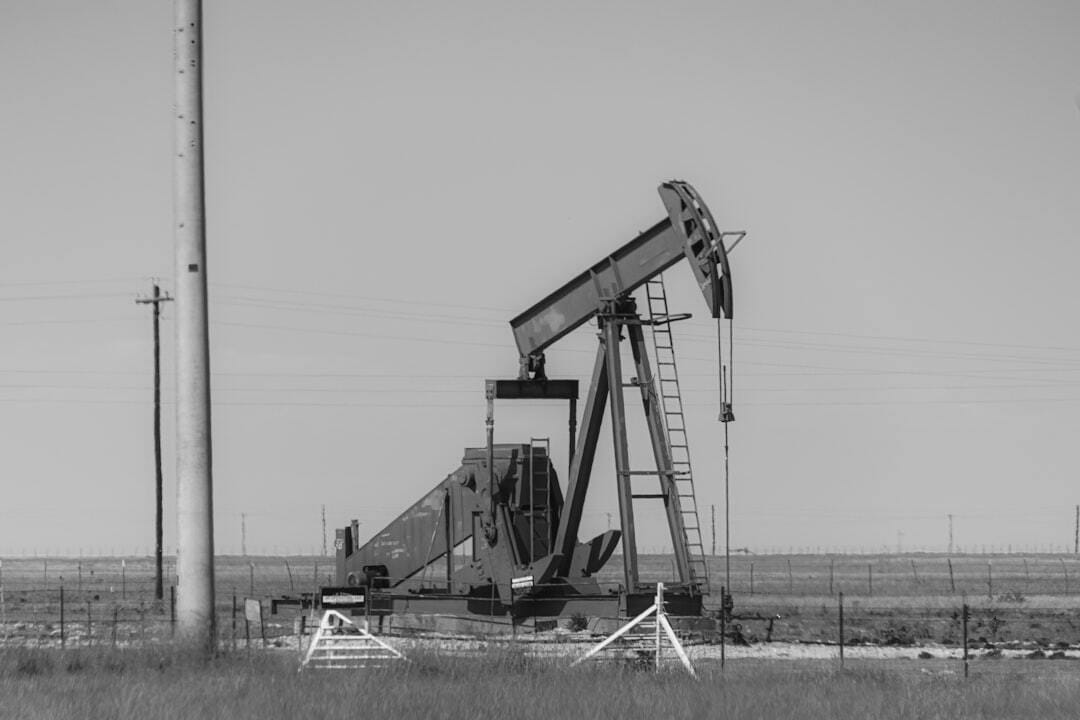
Photo by Sankalp Mudaliar on Unsplash
Financial Strength and Disciplined Capital Allocation
The company’s financial profile reflects a commitment to balance sheet management and shareholder returns that should resonate with value-oriented investors. Diamondback generated $1.8 billion in free cash flow during Q3 2025 alone, despite oil prices averaging just $64.60 per barrel.
This free cash flow generation supports a multifaceted capital return strategy. The company returned 50% of adjusted free cash flow to shareholders through a combination of base dividends and share repurchases in Q3 2025. The base dividend of $1.00 per share quarterly translates to a 2.8% annualized yield, while the share repurchase program maintains $3.0 billion in remaining authorization as of October 31, 2025.
Management has demonstrated tactical flexibility in debt management. Following the Endeavor acquisition, Diamondback reduced its term loan balance by $500 million in Q3 2025, bringing it down to $1.0 billion. The company also strategically repurchased $167 million of senior notes at 82.3% of par value, capitalizing on market opportunities to optimize its capital structure.
Free Cash Flow Allocation Strategy:
━━━━━━━━━━━━━━━━━━━━━━━━━━━━━━━━━━━━━━━━━
• Base Dividend:        40% of FCF
• Share Repurchases:    10% of FCF
• Debt Reduction:       20% of FCF
• Balance Sheet Flex:   30% of FCF
━━━━━━━━━━━━━━━━━━━━━━━━━━━━━━━━━━━━━━━━━
Strategic Portfolio Optimization Through Divestments
While acquisitions garnered headlines, Diamondback’s strategic divestiture program reveals sophisticated portfolio management. The company completed $1.5 billion in non-core asset sales during 2025, including the Environmental Disposal Systems (EDS) water management business and its equity stake in EPIC Crude pipeline.
These transactions accomplish multiple objectives simultaneously. They reduce complexity in the business model, allowing management to focus exclusively on upstream oil and gas operations. The proceeds fund share repurchases and debt reduction without compromising development capital for core Permian acreage. Most importantly, by retaining a 30% equity interest in the EDS business sold to Deep Blue Midland Basin, Diamondback maintains exposure to the upside while monetizing the asset at an attractive valuation.
The divestiture strategy also positions the company for potential contingent payments. Diamondback could receive up to $200 million in additional proceeds from the EDS sale based on completion thresholds through 2028, and another $96 million from the EPIC Crude sale if certain capacity expansions are sanctioned by 2027.
Operational Efficiency and Technical Expertise
The operational execution at Diamondback deserves particular attention from investors assessing management quality. The company increased full-year oil production guidance to 495-498 thousand barrels per day (MBO/d) in November 2025, reflecting better-than-expected well performance from recently completed projects.
Well costs continue declining through technical improvements and scale advantages. Midland Basin well costs averaged $550-$580 per lateral foot in 2025, while the company achieved average completed lateral lengths of approximately 11,500 feet. These extended laterals reduce the number of well pads required to develop reserves, minimizing surface disturbance while maximizing capital efficiency.
The integration of Endeavor Energy’s assets proceeded ahead of schedule, with Diamondback successfully consolidating operations and achieving targeted synergies. Management’s ability to absorb a $26 billion acquisition without operational disruption demonstrates organizational capability that provides confidence for future growth initiatives.
2025 Operational Guidance
Target
Annual oil production
495-498 MBO/d
Total BOE production
910-920 MBOE/d
Wells drilled (gross)
445-465
Wells completed (gross)
510-520
Average lateral length
~11,500 feet
Capital expenditures
$3.45-3.55 billion
Weaknesses: Navigating Concentration and Commodity Exposure
Geographic and Commodity Concentration Risk
The flip side of Diamondback’s Permian focus represents its most fundamental weakness. With essentially 100% of production coming from a single basin, the company faces concentrated exposure to region-specific risks that diversified producers can mitigate through portfolio balance.
Regional infrastructure constraints periodically impact Permian operators. Pipeline capacity, water disposal limitations, and processing bottlenecks have historically created production curtailments and price differentials. While recent infrastructure investments have alleviated some constraints, the Energy Information Administration projects that Permian production may plateau by 2026 due to infrastructure limitations, potentially impacting well economics.
The oil-weighted production profile amplifies commodity price sensitivity. With approximately 53% of total production coming from oil, compared to natural gas and natural gas liquids, Diamondback’s cash flows fluctuate significantly with crude price movements. During Q3 2025, the company realized an average oil price of $64.60 per barrel, down from $73.13 per barrel in the same period of 2024, demonstrating revenue volatility.
Natural gas exposure presents additional challenges. Permian associated gas production has weighed on regional pricing, with Diamondback realizing just $0.75 per thousand cubic feet (Mcf) for natural gas in Q3 2025. While the company has minimal direct natural gas drilling exposure, the economics of oil wells remain partially dependent on volatile gas prices that frequently trade near or below breakeven levels.
Production Mix Impact on Cash Flow Sensitivity:
━━━━━━━━━━━━━━━━━━━━━━━━━━━━━━━━━━━━━━━━━━━━━━━━
Oil (53% of production):          High price volatility
Natural Gas (33% of production):  Suppressed pricing
NGLs (14% of production):         Moderate pricing
━━━━━━━━━━━━━━━━━━━━━━━━━━━━━━━━━━━━━━━━━━━━━━━━
Result: Quarterly earnings swings of 20-30% common
Integration Complexity and Execution Risk
The successful execution of two major acquisitions in 2025 created near-term integration challenges that investors should monitor closely. Combining operations from Endeavor Energy and Double Eagle IV required harmonizing disparate systems, cultures, and operational practices across a significantly expanded organization.
Headcount growth accompanying these transactions increases fixed costs and organizational complexity. While synergies are expected, realizing them requires sustained management attention and execution. Any stumbles in the integration process could impact operational efficiency and distract from core business objectives.
The acquisitions also altered Diamondback’s risk profile. The company assumed substantial debt to finance portions of the transactions, increasing financial leverage at a time when commodity prices have softened. While management has prioritized debt reduction, the elevated leverage constrains financial flexibility compared to pre-acquisition levels.
Limited Diversification Beyond Upstream Operations
Unlike integrated energy companies that benefit from downstream refining and marketing operations, Diamondback remains a pure upstream producer. This business model concentrates risk in the exploration and production segment, which historically experiences the highest volatility within the energy value chain.
The divestiture of midstream assets like EDS and EPIC Crude, while strategically sound from a capital allocation perspective, further narrows the business model. The company now relies almost entirely on commodity prices and production volumes for revenue generation, with minimal fee-based or contracted cash flows to provide stability during price downturns.
This upstream-only focus also limits participation in certain value chain opportunities. Integrated companies can optimize refinery configurations to process their own crude production, potentially capturing margin premiums. They also maintain more direct relationships with end consumers, providing better market intelligence and demand visibility that pure producers lack.
Business Model Comparison
Diamondback
Integrated Majors
Upstream exposure
100%
40-50%
Downstream operations
0%
30-40%
Midstream/Trading
Minimal
10-20%
Cash flow stability
Moderate
High
Technical and Reservoir Uncertainty
Despite sophisticated subsurface modeling, uncertainty remains regarding ultimate recovery rates from Permian wells. The company’s drilling inventory assumptions depend on projections about well performance, spacing optimization, and development patterns that may not fully materialize.
Recent industry data suggests that well productivity improvements have plateaued in some Permian sub-basins, raising questions about whether operators can continue enhancing capital efficiency through technical means alone. If well results disappoint expectations, Diamondback’s inventory duration and development economics could deteriorate faster than anticipated.
Parent-child well interactions, where newly drilled wells negatively impact adjacent producing wells, represent another technical challenge. As development density increases across Diamondback’s acreage position, managing these interactions while maximizing overall recovery will require careful reservoir management that may not always succeed.
Opportunities: Capitalizing on Market Dynamics
Continued Consolidation and Acquisition Prospects
The Permian Basin consolidation wave shows no signs of abating, presenting opportunities for Diamondback to further strengthen its position through strategic acquisitions. While the largest independent producers have been acquired, numerous smaller operators with quality acreage positions could become acquisition candidates.
Diamondback’s scale advantages position the company as a natural consolidator. Smaller operators often struggle with capital access and lack the technical expertise to fully exploit their acreage positions. By acquiring these assets, Diamondback can apply its operational playbook to unlock value that sellers cannot capture independently.
Management has signaled continued interest in opportunistic transactions. During earnings calls, executives noted they remain active in evaluating M&A opportunities, particularly bolt-on acquisitions that enhance existing acreage blocks. The company’s strong balance sheet and free cash flow generation provide the financial capacity to execute transactions when compelling opportunities emerge.
The consolidation trend across U.S. shale benefits larger players like Diamondback through multiple channels. Reduced competition for oilfield services can moderate cost inflation. Greater coordination among large operators improves infrastructure planning and capital efficiency. Scale operators also command better pricing terms with service providers, directly benefiting operating margins.
Potential M&A Targets Profile:
━━━━━━━━━━━━━━━━━━━━━━━━━━━━━━━━━━━━━━━━━━━━━
• Acreage: 20,000-50,000 net Permian acres
• Location: Midland Basin preferred
• Production: 10,000-30,000 BOE/d
• Characteristics: Underdeveloped inventory
• Strategic fit: Adjacent to existing blocks
━━━━━━━━━━━━━━━━━━━━━━━━━━━━━━━━━━━━━━━━━━━━━
Technology and Operational Innovation
Technological advancement represents a significant opportunity for enhancing returns on Diamondback’s extensive Permian acreage. The company has invested in artificial intelligence and machine learning applications to optimize drilling programs, completion designs, and production operations.
Advanced completion techniques, including engineered fiber placement and modified proppant types, show promise for improving well productivity while reducing costs. Diamondback’s technical teams continue experimenting with completion parameters to identify optimal designs for different reservoir conditions across its acreage position.
Digital oilfield technologies offer operational efficiency improvements through remote monitoring, predictive maintenance, and automated production optimization. These systems reduce labor requirements while maximizing uptime and production rates. As the industry embraces digital transformation, companies that successfully implement these technologies will capture competitive advantages.
Extended reach drilling capabilities continue advancing, enabling longer lateral lengths that improve capital efficiency. If Diamondback can consistently drill and complete 15,000-foot or longer laterals, the company could develop its inventory with fewer wells, reducing surface impact while improving project economics.
The development of simultaneous operations (simul-ops) techniques allows operators to drill new wells while maintaining production from existing wells on the same pad. This reduces downtime and accelerates development schedules, potentially enhancing returns on multi-well pad developments.
Technology Application
Potential Benefit
AI-optimized drilling
5-10% cost reduction
Enhanced completions
10-15% productivity gain
Digital production monitoring
2-5% uptime improvement
Extended lateral drilling
15-20% fewer wells required
LNG Export Growth and Gas Demand
While oil comprises the majority of Diamondback’s revenue, growing liquefied natural gas (LNG) export capacity presents an opportunity for associated gas monetization. Multiple LNG export facilities under construction along the Gulf Coast will increase demand for domestic natural gas production, potentially supporting stronger pricing for Permian gas.
The U.S. liquefaction capacity is projected to expand significantly through 2028, with several major facilities expected to commence operations. This export infrastructure development could tighten regional gas markets, reducing the price discounts that Permian producers have historically endured.
International demand for U.S. LNG remains robust, particularly in European and Asian markets seeking energy security and diversification. Geopolitical tensions support sustained demand for reliable LNG supplies, benefiting U.S. producers positioned to serve these markets.
For Diamondback specifically, improved natural gas realizations would enhance oil well economics since gas represents a significant portion of total production volumes. Even modest improvements in gas pricing could materially impact overall cash margins and free cash flow generation.
Data Center and AI Power Demand
The rapid growth of artificial intelligence computing and data center infrastructure creates new demand vectors for electricity generation, presenting indirect opportunities for natural gas producers. Data centers require reliable baseload power, and natural gas-fired generation provides the flexibility and reliability that renewable sources cannot consistently deliver.
Several energy producers have announced agreements to supply power to data center operators, potentially including natural gas from Permian sources. While Diamondback has not yet announced major data center supply agreements, the company’s production profile and Gulf Coast proximity position it well to serve this growing market segment.
This demand growth could prove particularly valuable for monetizing associated gas production that currently struggles to find premium markets. If data center operators increasingly contract directly with natural gas producers for long-term supply, it would provide price stability and volume certainty that improves investment returns.

Image source: ieefa.org
Enhanced Shareholder Return Programs
Diamondback’s demonstrated commitment to shareholder returns creates opportunities to further differentiate the company within the energy sector. With sustained free cash flow generation projected through 2026 and beyond, management possesses flexibility to enhance return programs beyond current levels.
Variable dividend structures, where payouts fluctuate with commodity prices and cash flow, represent one option for returning more capital during strong price environments. Some peers have implemented such programs successfully, appealing to income-focused investors seeking exposure to commodity price upside.
The share repurchase authorization of $3.0 billion (as of October 2025) provides substantial capacity for opportunistic buybacks. If the stock trades at valuations management considers attractive, accelerating repurchases could generate significant per-share value creation through accretion.
Special dividends represent another mechanism for returning excess cash to shareholders when free cash flow exceeds capital requirements and return program targets. These one-time payouts provide flexibility while avoiding permanent commitments that could constrain the company during downturns.
Capital Return Options
2026 Potential
Base dividend increase
$1.00 to $1.25/quarter
Variable dividend program
$0.25-0.50/quarter
Share repurchases
$1.5-2.0 billion
Special dividend
$500-750 million
Threats: External Pressures and Market Headwinds
Oil Price Volatility and Demand Uncertainty
Commodity price risk represents the most immediate and significant threat to Diamondback’s financial performance. Oil markets face multiple bearish pressures heading into 2026, with the International Energy Agency forecasting a global supply surplus of nearly 3.8 million barrels per day.
OPEC+ production decisions remain unpredictable. The cartel’s ability to manage supply has diminished as member compliance with production quotas has weakened. If OPEC+ increases production to defend market share, oil prices could face sustained pressure that challenges the profitability of U.S. shale producers.
The U.S. Energy Information Administration projects that domestic crude production will decline slightly in 2026 after years of growth, reflecting deteriorating economics at current price levels. This production plateau could trigger consolidation failures if smaller operators cannot maintain financial viability, potentially creating distressed asset situations that disrupt regional markets.
Global economic uncertainty adds to demand concerns. Slowing growth in major economies, particularly China, raises questions about oil consumption trajectories. The potential for recession in developed markets could significantly reduce crude demand, overwhelming any supply management efforts by OPEC+.
Oil Price Scenario Analysis (2026 Forecast):
━━━━━━━━━━━━━━━━━━━━━━━━━━━━━━━━━━━━━━━━━━━━━━━━
Bull Case:     $85-95/barrel WTI
Base Case:     $65-75/barrel WTI
Bear Case:     $50-60/barrel WTI
━━━━━━━━━━━━━━━━━━━━━━━━━━━━━━━━━━━━━━━━━━━━━━━━
Diamondback's $50/bbl breakeven suggests vulnerability
in bear case scenarios
Regulatory and Environmental Pressures
The oil and gas industry faces intensifying scrutiny regarding environmental performance and climate impact. While the current U.S. administration has adopted more industry-friendly policies, regulatory uncertainty persists as methane emissions standards face ongoing legal challenges and potential future modifications.
State-level regulations present additional compliance burdens. The Texas Railroad Commission recently imposed restrictions on produced water disposal wells in response to induced seismicity concerns. Such limitations could constrain production growth if adequate disposal capacity becomes unavailable, forcing operators to curtail production or incur higher costs for water handling.
Climate-related litigation and shareholder activism pose financial risks through potential legal liability and reputational damage. Institutional investors increasingly incorporate environmental, social, and governance (ESG) criteria into investment decisions, potentially limiting capital access for companies perceived as environmental laggards.
The energy transition narrative, while uncertain in timing and magnitude, creates long-term demand risk for fossil fuel producers. Even if oil demand remains robust through 2030, the threat of accelerated electrification and alternative energy adoption looms over long-term investment returns.
Infrastructure Constraints and Takeaway Capacity
Permian Basin development depends on adequate pipeline capacity to transport production to market. While recent infrastructure investments have alleviated historical constraints, future production growth could again exceed takeaway capacity if producers expand output faster than pipelines can accommodate.
Processing capacity for natural gas and natural gas liquids represents another potential bottleneck. The Permian’s associated gas production continues growing, and regional processing facilities may struggle to keep pace. Insufficient processing capacity forces producers to flare gas or curtail oil production, directly impacting economics.
Water management infrastructure faces similar constraints. As development intensifies, demand for fresh water and disposal capacity for produced water continues growing. Limited disposal capacity or water availability could restrict drilling programs, particularly in areas with heightened environmental sensitivity or competing water demands.
The Texas Railroad Commission’s actions on induced seismicity illustrate how infrastructure limitations can emerge suddenly through regulatory intervention. Additional restrictions on disposal or production operations could materialize quickly, forcing operators to adjust development plans with minimal warning.
Infrastructure Risk Assessment
Constraint Level
Crude oil pipelines
Moderate (2026-2027)
Natural gas processing
High (2026)
NGL pipelines
Moderate
Water disposal
High (ongoing)
Fresh water supply
Low-Moderate
Competition and Industry Consolidation
Diamondback’s competitive environment has fundamentally shifted following the entrance of ExxonMobil, Chevron, and Occidental Petroleum as dominant Permian operators through major acquisitions. These integrated majors possess financial resources and technical capabilities that dwarf independent producers, creating competitive pressures across multiple dimensions.
ExxonMobil - SWOT Analysis Report (2026)
www.deepresearchglobal.com/p/exxonmobil-swot-analysis-report

The majors can afford to develop resources at lower returns than independents require, potentially oversupplying markets and pressuring prices. Their access to global markets and downstream operations provides optionality that pure producers lack. They also command preferential treatment from service providers and infrastructure operators based on their scale and financial strength.
Oilfield service cost inflation represents another competitive threat. Labor shortages and equipment availability constraints periodically drive up drilling and completion costs, eroding project economics. While service costs moderated in late 2025 due to reduced activity levels, any production uptick could reignite inflationary pressures that disproportionately impact smaller operators.
The consolidation wave itself poses risks. As more Permian acreage concentrates in fewer hands, acquisition opportunities diminish. The scarcity of attractive acquisition targets could force companies like Diamondback to pursue marginal transactions at full valuations, destroying shareholder value rather than creating it.
Geopolitical and Macroeconomic Risks
Global geopolitical developments directly impact energy markets, creating volatility and uncertainty for domestic producers. Middle East tensions, particularly involving major oil producers like Iran and Saudi Arabia, can trigger rapid price swings that challenge business planning and capital allocation decisions.
U.S. trade policy and tariff implementation affect both the input costs for production and the export markets for crude and refined products. Proposed tariffs on steel and aluminum could increase well costs by 5-8%, directly impacting project economics and returns.
Currency fluctuations influence crude oil prices and the relative competitiveness of U.S. production. A strengthening U.S. dollar makes American crude more expensive for international buyers, potentially reducing demand for exports. This dynamic particularly affects U.S. light crude exports to international markets where pricing is dollar-denominated.
Interest rate movements affect both Diamondback’s cost of capital and the attractiveness of energy investments relative to other asset classes. Higher rates increase borrowing costs for development capital while making fixed-income investments more appealing compared to equity investments in volatile commodity producers.
Strategic Positioning for 2026 and Beyond
Near-Term Execution Priorities
Diamondback enters 2026 focused on integration excellence following its transformative 2025 acquisitions. Management has established baseline 2026 oil production guidance of 510,000 barrels per day, representing modest growth from 2025 exit rates.
Capital discipline remains central to the company’s operational strategy. Rather than pursuing maximum production growth, Diamondback has committed to living within cash flow while maintaining industry-leading shareholder returns. This approach prioritizes value over volume, aligning with investor preferences for cash return over speculative growth.
The company’s 2026 development program will emphasize longer lateral drilling and enhanced completion techniques to maximize capital efficiency. Average lateral lengths approaching 12,000 feet could become standard, reducing well costs per lateral foot while improving ultimate recovery economics.
Operational integration of Endeavor and Double Eagle assets will continue into 2026, with synergy realization ramping throughout the year. Management has identified opportunities for operational efficiencies, G&A reduction, and optimized development sequencing that should benefit financial performance as integration matures.
2026 Strategic Framework:
━━━━━━━━━━━━━━━━━━━━━━━━━━━━━━━━━━━━━━━━━━━━━━━
1. Integration execution and synergy capture
2. Capital discipline and free cash flow generation
3. Balance sheet optimization and debt reduction
4. Sustained shareholder returns (50%+ of FCF)
5. Selective M&A evaluation for bolt-on deals
6. Technology deployment for cost reduction
━━━━━━━━━━━━━━━━━━━━━━━━━━━━━━━━━━━━━━━━━━━━━━━
Long-Term Value Proposition
For investors evaluating Diamondback beyond near-term execution, several factors support the long-term investment case. The Permian Basin is expected to remain America’s premier oil-producing region for decades, providing a durable foundation for sustained production and cash flow generation.
Diamondback’s scale advantages should compound over time as operational efficiencies, technological improvements, and infrastructure optimization enhance returns on invested capital. The company’s inventory depth provides visibility for production sustenance that few peers can match.
The shareholder return framework positions Diamondback competitively for income-oriented energy investors. With a combination of base dividends, potential variable distributions, and opportunistic share repurchases, the company offers multiple avenues for capital return that should appeal to value investors seeking yield and return of capital.
Management’s track record of successful integration and value creation through M&A provides confidence in the organization’s ability to navigate consolidation opportunities. The company has demonstrated consistent execution across multiple transactions, suggesting capability to continue creating value through strategic acquisitions.
Risks to Monitor
Several key risk factors warrant close monitoring by investors throughout 2026 and beyond:
Oil Price Trajectory: Sustained prices below $60 per barrel would pressure free cash flow and potentially force capital program reductions or return program modifications.
Regulatory Development: Changes to federal or state regulations affecting water disposal, emissions controls, or land use could materially impact operational flexibility and costs.
Integration Execution: Any stumbles in absorbing Endeavor and Double Eagle operations would distract management and potentially impair financial performance.
Competitive Dynamics: Aggressive development by major integrated companies could oversupply regional markets and pressure differentials.
Infrastructure Development: Delays or constraints in takeaway capacity expansion could limit production growth and market access.
Risk Factor
Probability
Potential Impact
Mitigation Strategy
Oil price decline
Moderate
High
Hedging, capital flexibility
Regulatory changes
Moderate
Moderate
Compliance investment, advocacy
Integration challenges
Low
Moderate
Management focus, resources
Infrastructure constraints
Moderate
Moderate
Long-term contracts, partnerships
Competition intensifies
High
Moderate
Cost reduction, technology
Investor Considerations
Valuation and Financial Metrics
Investors evaluating Diamondback should consider multiple valuation frameworks to assess the investment opportunity. Traditional metrics for energy producers include price-to-cash flow, enterprise value to EBITDA, and price-to-net asset value comparisons.
The company’s ability to generate $4.7 billion in adjusted free cash flow at current commodity prices (as projected in 2025 guidance) translates to substantial per-share free cash flow that supports both growth investment and shareholder returns.
Net debt positioning relative to EBITDA provides insight into financial flexibility. Following debt reduction initiatives in late 2025, Diamondback has positioned its balance sheet to weather commodity price volatility while maintaining investment-grade metrics.
Comparison to Permian peers and broader energy sector multiples helps establish relative value. Investors should assess whether Diamondback trades at a premium or discount to comparable companies, considering differences in growth rates, asset quality, and operational efficiency.
Return Profile and Risk-Adjusted Analysis
The total return opportunity in Diamondback comprises three elements: dividend yield, potential capital appreciation, and share count reduction through buybacks. Each component contributes to the overall investor return profile.
At recent trading levels, the base dividend yield of approximately 2.8% provides a foundation for total returns. Additional variable distributions or special dividends could enhance yield during strong commodity price environments.
Capital appreciation potential depends on crude oil price trajectories, operational execution, and market multiple expansion or contraction. Investors should model various price scenarios to assess return sensitivity to commodity price movements.
Share repurchase programs create value through multiple channels: reducing share count increases per-share metrics, signaling management confidence in intrinsic value, and providing price support during market weakness.
Portfolio Role and Investment Thesis
Diamondback serves specific roles within diversified investment portfolios. As a pure-play Permian producer, the company offers concentrated exposure to U.S. onshore oil production without the complexity of international operations or downstream business segments.
For investors seeking commodity price exposure with operational leverage, Diamondback provides direct oil price sensitivity that translates to outsized returns during price rallies. The inverse risk applies during downturns, suggesting position sizing appropriate to risk tolerance.
The income component through dividends appeals to investors seeking current yield from energy allocations. The combination of base and potential variable distributions provides income while maintaining capital return flexibility.
For ESG-focused investors, Diamondback’s operational practices and environmental performance require careful evaluation. The company has made emissions reduction commitments, allocating approximately $45 million in 2025 for technology investments to reduce environmental impact.
My Final Thoughts
Diamondback Energy’s transformation through 2025 acquisitions has created a fundamentally different company than existed just two years ago. The scale advantages, operational depth, and financial strength position the company among the most formidable independent producers in the Permian Basin.
The investment case rests on three core pillars.
First, the asset quality and inventory depth provide durability and visibility that justify investor confidence in sustained production and cash flow generation.
Second, management’s demonstrated capital discipline and shareholder return commitment align corporate interests with investor objectives.
Third, the consolidation trend within the Permian creates both organic opportunities and strategic optionality that could drive value creation beyond base business performance.
Yet significant risks temper the optimistic outlook.
Commodity price volatility remains the dominant risk factor, with potential for material cash flow swings based on crude price movements. The geographic concentration that amplifies operational efficiency also concentrates risk exposure. Regulatory evolution, particularly regarding environmental standards, could materially impact operating costs and production flexibility.
For investors evaluating Diamondback in 2026 and beyond, the company represents a leveraged bet on Permian Basin dominance and disciplined capital allocation in an industry transitioning toward consolidation and returns focus.
The investment suitability depends on individual risk tolerance, commodity price views, and portfolio positioning objectives. Those comfortable with energy sector volatility and optimistic about sustained U.S. oil production will find compelling attributes in Diamondback’s business model. More conservative investors may prefer diversified energy exposure or integrated companies with lower volatility profiles.
The path forward requires vigilant monitoring of commodity markets, operational execution, and strategic positioning.
Diamondback has built the scale and capability to succeed as a premier Permian producer, but external factors beyond management control will significantly influence investment returns.
Disclaimer: This analysis is for informational purposes only and should not be construed as investment advice. Investors should conduct their own due diligence and consult with financial advisors before making investment decisions.