

Keurig Dr Pepper $KDP ( ▲ 1.54% ) closed 2025 with transformational momentum that few investors anticipated.
The beverage giant’s $18.4 billion acquisition of JDE Peet’s, announced in August, represents one of the boldest restructurings in the industry’s recent history.
With Q3 2025 revenues surging 10.7% to $4.31 billion and plans to separate into two independent companies, KDP is redefining what it means to compete against industry titans PepsiCo and Coca-Cola.
This analysis examines KDP’s strategic position as the company prepares for what could be the most consequential year in its history.
With the JDE Peet’s transaction expected to close in early 2026 and separation readiness targeted by year-end 2026, understanding the company’s strengths, weaknesses, opportunities, and threats has never been more critical for investors.
Also Read:
Coca-Cola - SWOT Analysis (2026)
www.deepresearchglobal.com/p/coca-cola-swot-analysis
PepsiCo - SWOT Analysis Report (2026)
www.deepresearchglobal.com/p/pepsico-swot-analysis-report
Table of Contents
Strengths: Portfolio Power and Distribution Dominance
Brand Portfolio with Proven Market Leadership
KDP operates a remarkably diverse portfolio of over 125 owned, licensed, and partner brands across multiple beverage categories. The company’s flagship Dr Pepper brand achieved a historic milestone in 2024, becoming the #2 soft drink in America, surpassing Pepsi for the first time. This represents the brand’s ninth consecutive year of market share gains.
The portfolio spans carbonated soft drinks (CSDs), coffee systems, energy drinks, sports hydration, and specialty beverages. Key brands include Canada Dry, Snapple, Mott’s, A&W, 7UP, Green Mountain Coffee Roasters, and the recently acquired GHOST energy drink platform.
Brand Category
Key Brands
Market Position
Carbonated Soft Drinks
Dr Pepper, Canada Dry, 7UP, A&W
Dr Pepper #2 in U.S. market
Coffee Systems
Keurig, Green Mountain Coffee
#1 North American single-serve
Energy Drinks
GHOST, C4 partnership
Fastest-growing segment
Sports Hydration
Bodyarmor partnership
Growing market share
Juice & Drinks
Snapple, Mott’s, Clamato
Category leadership
The company’s Q3 2025 performance demonstrated the portfolio’s strength. U.S. Refreshment Beverages segment sales increased 14.4%, driven by volume/mix growth across CSDs, energy drinks, and sports hydration.
Direct-Store-Delivery System Creates Competitive Moat
KDP’s expanding Direct-Store-Delivery (DSD) network represents a formidable competitive advantage that differentiates it from purely bottler-dependent competitors. The company has completed over 30 DSD territory acquisitions since the 2018 merger, creating what management calls the “Maroon System.”
This DSD infrastructure now covers approximately 80% of the U.S. market and provides several strategic benefits. First, it delivers superior execution at retail through dedicated sales teams and merchandising capabilities. Second, it reduces dependency on third-party bottlers, allowing KDP to capture more of the value chain. Third, it creates barriers to entry for smaller brands seeking premium shelf space.
The DSD system proved particularly valuable during the GHOST acquisition integration, completed in late 2024. KDP’s ability to rapidly distribute GHOST products through its network contributed to the energy brand’s continued momentum, with sales more than quadrupling over the previous three years.
DSD NETWORK ADVANTAGES

Geographic Coverage:
- 80% of U.S. market reach
- Expanding into new territories
- Strategic acquisitions ongoing

Operational Benefits:
- Direct retailer relationships
- Superior merchandising control
- Faster new product launches
- Enhanced promotional execution

Financial Impact:
- Improved gross margins
- Better working capital management
- Reduced distributor dependencies
Keurig Coffee Ecosystem Drives Recurring Revenue
The Keurig single-serve coffee system represents one of the beverage industry’s most successful recurring revenue models. With 47 million active households using Keurig brewers as of 2024, the platform generates consistent pod sales with attractive economics.
The ecosystem’s open system architecture benefits all stakeholders. Consumers gain access to unparalleled variety with leading coffee brands. Partners obtain a high-margin, high-growth platform with scaled manufacturing and innovation capabilities. Retailers benefit from premiumization opportunities that enhance category profitability.
Keurig’s market dominance remains unmatched. The company holds the #1 position in North American single-serve systems, with brewer share growing 5.7 points and ecosystem pod share expanding 5.9 points over the past five years. The platform accounts for one in three coffeemakers sold in the U.S. market.
The company’s direct-to-consumer Keurig.com platform strengthens customer relationships. With approximately 400,000 auto-delivery subscribers, the site generates visitors who consume twice the daily coffee versus average households and demonstrate five times higher lifetime value.
Strong Financial Performance and Cash Generation
KDP’s financial performance heading into 2026 reflects operational excellence and portfolio momentum. The company delivered 6% net sales CAGR from 2018 through 2024, outpacing many large-cap beverage peers. More impressively, adjusted EPS grew at 11% CAGR during the same period, demonstrating margin expansion capabilities.
For the twelve months ending September 30, 2025, KDP generated $16.174 billion in revenue, a 6.77% increase year-over-year. The company raised its full-year 2025 net sales guidance to high-single-digit growth, up from mid-single-digit expectations.
Free cash flow generation provides flexibility for capital allocation priorities. KDP returned $8.5 billion to shareholders through dividends and share repurchases between 2018 and 2024, demonstrating commitment to shareholder returns while simultaneously investing in growth initiatives and strategic acquisitions.
The company’s productivity programs continue generating fuel for reinvestment. Management targets approximately 4% annual productivity savings as a percentage of cost of goods sold and transportation/warehousing expenses.
Market Share Gains Across Key Categories
KDP continues gaining share across multiple high-value categories, a trend that strengthened through 2025. In carbonated soft drinks, the company captured market share gains for the ninth consecutive year, driven primarily by Dr Pepper’s performance but also supported by Canada Dry and other brands.
The energy drink category represents a particular bright spot. Following the GHOST acquisition and enhanced distribution of the C4 brand through partnerships, KDP is establishing a meaningful presence in this fast-growing segment. GHOST alone delivered over 30% retail sales growth in Q2 2025.
Sports hydration represents another share gain opportunity. Through partnerships with Bodyarmor and enhanced distribution capabilities, KDP is capturing incremental volume in this health-focused category that appeals to younger demographics.
Category
Share Trend
Key Drivers
Total CSDs
Gaining
Dr Pepper #2 brand; innovation
Energy
Accelerating
GHOST acquisition; C4 partnership
Sports Hydration
Growing
Bodyarmor distribution expansion
Single-Serve Coffee
Stable/Growing
New brewer technology; partnerships
Juice/Drinks
Stable
Portfolio optimization ongoing
As of Q3 2025, KDP held 9.26% market share in the U.S. beverage market, trailing only PepsiCo (52.89%) and Coca-Cola (27.29%). While substantially smaller than the duopoly leaders, KDP’s share has grown consistently, positioning it as a true challenger with momentum.
Weaknesses: Scale Disadvantages and Integration Risks
Market Share Gap Versus Duopoly Competitors
Despite impressive growth, KDP faces a fundamental challenge in market scale. PepsiCo and Coca-Cola collectively control approximately 80% of the U.S. beverage market, providing them with significant advantages in purchasing power, distribution efficiency, marketing reach, and retailer negotiating leverage.
This scale disparity manifests in multiple ways. Larger competitors can spread fixed costs across higher volumes, achieving lower per-unit economics. They command preferential shelf space at retail through extensive product portfolios and marketing support. They possess deeper financial resources to weather commodity cost volatility and invest in innovation simultaneously.
The gap becomes particularly evident in international markets, where Coca-Cola and PepsiCo have established distribution networks spanning decades. While the JDE Peet’s acquisition addresses this weakness in coffee, KDP’s refreshment beverages remain predominantly North American, limiting growth diversification.
MARKET SHARE COMPARISON (Q3 2025)

PepsiCo:           52.89% ████████████████████████████
Coca-Cola:         27.29% ██████████████
KDP:                9.26% █████
Monster Beverage:   4.57% ██
Others:            ~6.00% ███

Source: CSI Market
Heavy North American Concentration Creates Geographic Risk
KDP generates the substantial majority of its beverage revenue from the United States and Canada. This geographic concentration exposes the company to region-specific risks including regulatory changes, economic downturns, shifting consumer preferences, and competitive dynamics.
The North American beverage market faces particular challenges. Health and wellness trends are driving consumers toward lower-sugar, functional beverages. Regulatory pressures around sugar content, packaging, and labeling continue intensifying. Younger demographics demonstrate different consumption patterns than previous generations, favoring variety and premiumization over traditional brand loyalty.
While the JDE Peet’s acquisition brings substantial international exposure through coffee operations in over 100 countries, the integration complexity itself represents a risk. Managing diverse regulatory environments, currency fluctuations, and regional competitive dynamics requires capabilities KDP is still building.
The company’s limited international beverage presence means it misses growth opportunities in faster-developing markets. Emerging economies in Asia, Latin America, and Africa show higher beverage consumption growth rates than mature North American markets.
Complex JDE Peet’s Integration and Separation Execution
The planned JDE Peet’s acquisition and subsequent separation into two independent companies represents unprecedented complexity for KDP. This dual transformation creates multiple execution risks that investors must carefully monitor.
First, the acquisition itself requires regulatory approvals across numerous jurisdictions, given JDE Peet’s global footprint. While the transaction is expected to close in the first half of 2026, delays could disrupt strategic timing and create market uncertainty.
Second, integration execution demands significant management attention and resources. Realizing the projected $400 million in cost synergies over three years requires complex operational changes across procurement, manufacturing, logistics, and support functions. Historical evidence shows that many mergers fail to achieve anticipated synergies within projected timeframes.
Third, the separation adds another layer of complexity. Creating two independent, publicly traded companies requires establishing separate boards, management teams, systems, processes, and capital structures. The company targets separation readiness by end of 2026, an aggressive timeline given the acquisition integration running concurrently.
Integration Challenge
Risk Level
Mitigation Approach
Regulatory approvals
Medium
Multiple jurisdictions; anticipated
Synergy realization
High
Dedicated integration office; experienced advisors
Cultural integration
Medium
Leadership retention; clear communication
Separation execution
High
Parallel workstreams; board oversight
Business continuity
Medium
Phased approach; contingency planning
Customer/employee retention
Medium
Stakeholder engagement programs
Fourth, cultural integration challenges emerge when combining companies with different operating philosophies, organizational structures, and geographic footprints. Maintaining employee morale and retaining key talent during prolonged uncertainty proves difficult.
Elevated Leverage Ratios Post-Transaction
The JDE Peet’s acquisition significantly increases KDP’s debt burden, creating financial flexibility constraints and credit rating pressures. The company initially projected net leverage would reach approximately 5.6x EBITDA at transaction close.
However, KDP announced updated financing in October 2025, including $7 billion in strategic investments from Apollo and KKR. This revised structure is expected to result in approximately 4.6x net leverage at close, still materially above the company’s historical comfort zone.
Fitch Ratings assigned KDP a BBB- (EXP) rating, the lowest investment-grade tier, reflecting the increased financial risk. Similarly, S&P Global placed KDP’s ratings on CreditWatch Negative following the acquisition announcement, indicating potential downgrade risk.
Elevated leverage constrains capital allocation options. Higher debt service obligations reduce cash available for dividends, share repurchases, and strategic investments. The company must prioritize debt reduction post-close, potentially limiting flexibility to pursue additional growth opportunities or respond to competitive threats.
Interest rate risk compounds this challenge. While KDP secured favorable financing terms, rising rates could increase borrowing costs on variable-rate debt and make refinancing more expensive when existing debt matures.
The company targets reducing Beverage Co. leverage to 3.5-4.0x and Global Coffee Co. to 3.75-4.25x by separation time. Achieving these targets requires consistent cash flow generation and disciplined capital allocation, creating pressure on operational performance.
Coffee Segment Faces Growth and Competitive Pressures
While Keurig maintains dominance in North American single-serve systems, the U.S. coffee segment delivered only 2% net sales CAGR from 2018 through 2024, substantially below the company’s beverage business growth rate. This slower growth reflects several challenges.
The at-home coffee category faced post-pandemic normalization as consumers returned to out-of-home consumption. U.S. at-home dry coffee servings declined in 2021, 2022, and 2023 before stabilizing in 2024-2025. While volume trends have improved, growth remains muted.
Single-serve pod competition has intensified as patents expired and alternatives proliferated. Third-party manufacturers produce Keurig-compatible pods, capturing share and applying pricing pressure. Keurig’s owned brand portfolio remains underdeveloped compared to the scale it provides partner brands, limiting margin capture opportunities.
Nespresso and other premium systems have gained traction with quality-focused consumers willing to pay premium prices for authentic espresso experiences. These systems position single-serve as a barista alternative, an area where traditional Keurig brewers face perception challenges.
The upcoming Keurig Alta system launch represents a strategic response to these pressures, offering espresso and cold coffee capabilities with plastic-free, compostable pods. However, new system launches carry significant execution risk and require substantial consumer education and marketing investment.
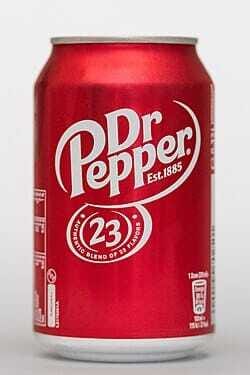
Image source: wikipedia.org
Opportunities: Strategic Transformation and Category Growth
Global Coffee Platform Emergence Post-Acquisition
The JDE Peet’s acquisition fundamentally transforms KDP’s coffee business from a regional single-serve system into a global coffee champion with #2 worldwide ranking by revenue. This scale shift unlocks multiple growth vectors that were previously inaccessible.
The combined entity, provisionally termed “Global Coffee Co.,” will generate approximately $16 billion in annual net sales with operations in over 100 countries. This geographic diversification provides access to fast-growing coffee markets in Asia, Latin America, and Europe while reducing reliance on mature North American consumption.
JDE Peet’s brings powerful global brands including L’OR, Jacobs, Peet’s, Douwe Egberts, and Senseo. These brands hold #1 or #2 positions in 40 markets and provide the foundation for format and channel expansion opportunities. L’OR, for example, has demonstrated remarkable “stretch ability,” expanding from roast and ground into single-serve, whole beans, instant, and brewers across multiple countries.
The acquisition delivers unparalleled sourcing advantages. As the #1 coffee buyer globally, the combined company gains enhanced blending capabilities, sustainability initiatives, and insulation from green coffee price volatility. This sourcing scale provides competitive advantages through cycle management and cost optimization.
GLOBAL COFFEE CO. OPPORTUNITY MATRIX

Geographic Expansion:
- 6 countries → 100+ countries
- Access to emerging coffee markets
- Diversified revenue base

Format Opportunities:
- Extend Keurig expertise globally
- Apply JDE capabilities to Keurig brands
- Single-serve expansion beyond North America

Brand Leverage:
- Bring JDE brands to U.S. (Peet's expansion)
- Introduce Keurig brands internationally
- Cross-format brand extensions

Operational Advantages:
- #1 global coffee buyer
- 10+ manufacturing facilities
- Enhanced sustainability capabilities
- $400M synergy potential
The coffee category itself offers attractive long-term characteristics. Global coffee consumption has grown at 2% CAGR over 40 years, demonstrating resilience through multiple economic crises, commodity cycles, and consumer trend shifts. Coffee ranks as the #1 beverage American consumers say they can’t live without, highlighting the category’s habitual and functional value.
Premiumization trends support long-term growth. In France, premium brands grew from 20% to 26% of dry coffee volume between 2015 and 2024, while single-serve share expanded from 27% to 37%. Similar premiumization opportunities exist across markets as income levels rise and consumers seek quality experiences.
Energy and Functional Beverage Category Leadership
Energy drinks represent one of the fastest-growing beverage segments globally, and KDP has strategically positioned itself to capture disproportionate share. The GHOST acquisition, completed for $990 million in late 2024, brought a highly differentiated brand with strong millennial and Gen Z appeal.
GHOST’s net sales more than quadrupled over the three years preceding acquisition, demonstrating exceptional growth velocity. The brand’s lifestyle positioning, innovative flavors, and strategic collaborations differentiate it from traditional energy drinks like Red Bull and Monster. KDP’s distribution capabilities through its DSD network and retail relationships create significant growth acceleration potential.
The company’s partnership with C4, a leading performance energy brand, complements the GHOST acquisition by addressing different consumer segments. C4 focuses on fitness enthusiasts and athletes, while GHOST appeals to lifestyle-oriented younger consumers. Together, these brands provide KDP with a diversified energy portfolio addressing multiple occasions and demographics.
Functional beverages extend beyond traditional energy into adaptogenic drinks, enhanced waters, protein beverages, and wellness-focused products. Consumer research shows increasing demand for beverages with better-for-you attributes and functional ingredients. KDP’s innovation pipeline and brand partnerships position it to capitalize on this macro trend.
Energy/Functional Segment
KDP Position
Growth Opportunity
Lifestyle Energy
GHOST (owned)
High - distribution expansion
Performance Energy
C4 (partnership)
Medium - retail penetration
Sports Hydration
Bodyarmor (partnership)
Medium - share gains
Functional Wellness
Innovation pipeline
High - emerging category
Protein Beverages
Partnership opportunities
Medium - format expansion
The category’s demographics are particularly attractive. Younger consumers drive energy and functional beverage growth, and these cohorts demonstrate higher willingness to try new brands and formats compared to older demographics loyal to traditional CSDs.
Separation Creates Two Focused Pure-Play Entities
The planned separation of Beverage Co. and Global Coffee Co. into independent public companies represents a strategic opportunity to unlock value through focus and specialization. Each entity will pursue distinct growth strategies, operating models, and capital allocation priorities aligned with their respective categories.
Beverage Co. will focus on North American refreshment beverages with a portfolio emphasizing CSDs, energy drinks, sports hydration, and other non-coffee categories. This business delivered strong organic growth through 2025, with net sales growing 14.4% in Q3 for the U.S. Refreshment Beverages segment.
The Beverage Co. advantages include proven brand-building capabilities, an expanding DSD network providing route-to-market superiority, and entrepreneurial culture focused on challenger brand positioning. Management targets 3.5-4.0x leverage for Beverage Co., providing financial flexibility for continued DSD acquisitions, brand investments, and shareholder returns.
Global Coffee Co. will become a scaled coffee pure-play with participation across all major coffee formats, channels, and geographies. The business benefits from stable, resilient cash flows characteristic of coffee consumption patterns and deep category expertise accumulated through decades of experience.
Strategic optionality represents another separation benefit. Independent entities can pursue value-creation levers unavailable to the combined company, including targeted M&A, strategic partnerships, and operational strategies specific to their categories without cross-business constraints.
For investors, the separation creates differentiated investment theses. Those seeking growth-oriented exposure to North American beverage trends can invest in Beverage Co., while those preferring stable, global, cash-generative businesses can select Global Coffee Co. This optionality should broaden the combined shareholder base and potentially reduce the conglomerate discount.
Innovation Pipeline Across Product and Format Categories
KDP’s innovation capabilities across both beverages and coffee create multiple growth opportunities. In refreshment beverages, the company has successfully introduced bold new flavors across its iconic brand portfolio, driving trial and incremental consumption occasions.
Dr Pepper’s flavor innovation strategy has proven particularly effective. Limited-edition releases and collaborations generate consumer excitement and social media engagement, particularly among younger demographics. This innovation approach has contributed to Dr Pepper’s nine consecutive years of share gains.
The Keurig Alta system represents a major innovation investment launching in 2026. This next-generation brewing system addresses premium coffee consumers with features including authentic espresso shots, rich coffee cups, and refreshingly cold coffees brewed from plastic-free, compostable pods. Alta positions Keurig to compete more effectively against Nespresso and other premium systems while addressing sustainability concerns.
Cold coffee represents a significant growth opportunity. The cold coffee segment is expanding rapidly as consumers seek refreshing, convenient coffee options. Keurig Alta’s cold coffee capabilities address this trend, while JDE Peet’s brings ready-to-drink coffee expertise from international markets.
INNOVATION PRIORITIES 2026+

Beverage Co.:
→ Continued flavor innovation
→ Functional beverage development
→ Package format alternatives
→ Strategic brand collaborations
→ Digital engagement platforms

Global Coffee Co.:
→ Keurig Alta system launch
→ Cold coffee platform expansion
→ Premium format extensions
→ Single-serve global rollout
→ Sustainability innovations
The company’s partnership model enables rapid innovation through established brands. Rather than building every capability internally, KDP leverages partnerships with brands like C4, Bodyarmor, and various coffee roasters to access consumer segments and innovation more efficiently than organic development would allow.
JDE Peet’s recent innovation success with Dubai Chocolate flavored coffee across 20 markets and multiple brands demonstrates the potential for global platform innovation. This capability to rapidly extend popular concepts across geographies and brands will enhance Global Coffee Co.'s competitive positioning.
Direct-to-Consumer and Digital Channel Expansion
Digital commerce represents a substantial growth opportunity as consumers increasingly purchase beverages online. Keurig.com has established a successful direct-to-consumer model with approximately 400,000 auto-delivery subscribers and 1.5 million monthly site visitors.
The DTC channel provides multiple advantages beyond incremental revenue. First, it generates superior economics through elimination of retail and distributor margins. Second, it enables direct consumer relationships yielding valuable data on preferences, purchasing patterns, and occasion-based consumption. Third, it facilitates personalized marketing and targeted promotions based on consumer behavior.
Auto-delivery subscribers demonstrate particularly attractive economics, consuming twice the daily coffee versus average households and generating five times higher lifetime value. These consumers represent the most engaged, loyal segment of Keurig’s customer base.
Expanding the DTC model to refreshment beverages represents an opportunity. While beverage categories like CSDs, energy drinks, and sports hydration have traditionally sold through retail channels, subscription and direct shipment models are emerging. KDP’s existing Keurig.com infrastructure and logistics capabilities provide a foundation for beverage DTC expansion.
Amazon and other e-commerce platforms represent additional digital growth channels. KDP’s beverage portfolio is well-suited for online purchase, particularly in multi-packs and variety configurations that consumers prefer for home delivery. The company’s increasing focus on digital shelf optimization and e-commerce-specific marketing should drive share gains in this growing channel.
Out-of-home digital opportunities include smart vending, connected fountains, and workplace delivery services. Technology enables better consumer experiences, operational efficiency, and data collection in away-from-home channels where KDP already has strong presence through Keurig systems in offices, hotels, and foodservice locations.
Threats: Competitive Intensity and External Pressures
Intense Competition from Well-Resourced Global Players
KDP faces formidable competition from substantially larger beverage companies with deeper resources and more extensive global distribution networks. PepsiCo and Coca-Cola each generate annual revenues exceeding $80 billion, dwarfing KDP’s approximately $16 billion.
This resource disparity manifests in multiple competitive disadvantages. Larger competitors outspend KDP on marketing and advertising, maintaining higher brand awareness and consumer mindset share. They invest more heavily in innovation and renovation, bringing more new products to market. They command preferential treatment from retailers through category captainship roles and extensive promotional support.
The competitive landscape extends beyond the traditional duopoly. Monster Beverage has built a dominant energy drink franchise, creating challenges for KDP’s entry into this category. Constellation Brands holds significant Mexican beer and premium alcohol positions, competing for occasions and share of throat. Private label continues gaining share, particularly during economic downturns when consumers trade down.
In coffee, Nestlé’s Nespresso system has successfully captured premium consumers through its closed-loop model, superior perceived quality, and strong brand positioning. Starbucks’ at-home coffee presence through licensed products and Nespresso-compatible capsules leverages the world’s leading coffee brand equity. Regional roasters and specialty coffee shops attract quality-focused consumers through authenticity and craft positioning.
COMPETITIVE INTENSITY INDICATORS

Marketing Spend Disadvantage:
- Coca-Cola: $4.2B+ annual advertising
- PepsiCo: $3.0B+ annual advertising
- KDP: Substantially lower spending

Innovation Pipeline:
- Major competitors launch 100+ SKUs annually
- Smaller companies cannot match pace
- Speed-to-market advantages for larger players

Retail Leverage:
- Category captains control shelf strategy
- Volume-based terms favor larger suppliers
- Promotional support requirements increasing
The JDE Peet’s acquisition partially addresses these competitive challenges by creating a #2 global coffee player. However, in refreshment beverages, KDP remains a distant third to the entrenched duopoly.
Health and Wellness Trends Challenge Traditional Beverage Categories
Consumer preferences continue shifting toward healthier beverage options, creating headwinds for traditional CSDs, the category where KDP derives substantial revenue and profit. These trends manifest through multiple channels.
Sugar reduction represents a primary concern. Consumers increasingly seek lower-sugar or zero-sugar alternatives as awareness of sugar’s health impacts grows. While KDP has zero-sugar versions of core brands, consumer acceptance varies, and zero-sugar variants typically generate lower absolute profit dollars due to pricing dynamics.
Regulatory pressures on sugar-sweetened beverages are intensifying globally. The FDA proposed new front-of-package labeling requirements in January 2025, which could include prominent warnings on high-sugar products. Various jurisdictions have implemented or are considering sugar taxes that increase retail prices and discourage consumption.
Functional beverage preferences are growing as consumers seek products delivering benefits beyond basic hydration and taste. Energy, protein, vitamins, electrolytes, adaptogens, and other functional ingredients attract health-conscious consumers. While KDP is investing in this space, established competitors and emerging brands have head starts in many functional subcategories.
Natural and “clean label” preferences challenge beverages containing artificial ingredients. Consumers, particularly in younger demographics, scrutinize ingredient lists and favor products with recognizable, natural components. Reformulating established brands to meet these preferences requires significant R&D investment and risks alienating consumers who prefer traditional formulations.
Health/Wellness Trend
Impact on KDP
Mitigation Strategy
Sugar reduction
High - core CSDs affected
Zero-sugar variants; innovation
Functional ingredients
Medium - category shift
Energy/sports drink investments
Natural ingredients
Medium - reformulation needs
Clean label initiatives
Caffeine concerns
Low-Medium - coffee focus
Decaf options; transparency
Packaging sustainability
Medium - cost implications
Recyclable/compostable materials
Serving size scrutiny
Low-Medium - smaller formats
Package variety expansion
The contradiction between wellness trends and beverage industry economics creates strategic tension. CSDs generate high margins through efficient production and established consumer preferences.
Transitioning too rapidly toward emerging categories risks profitability, while moving too slowly risks becoming irrelevant to changing consumer preferences.
Commodity Cost Inflation and Supply Chain Pressures
Commodity price volatility represents a persistent threat to beverage industry profitability. KDP’s cost structure includes exposure to multiple commodities whose prices fluctuate based on weather, geopolitical events, currency movements, and supply-demand dynamics.
Green coffee costs are particularly significant following the JDE Peet’s acquisition. Coffee prices reached multi-year highs in 2025, with Arabica increasing 154% and Robusta surging 254% between 2020 and 2024. While JDE Peet’s demonstrated ability to maintain gross profit growth during this period through pricing and productivity, elevated coffee costs pressure margins and require ongoing management attention.
Other commodity exposures include aluminum (cans), PET resin (plastic bottles), glass (bottles), sweeteners (sugar, high-fructose corn syrup), and transportation fuel. The beverage industry faced significant cost inflation through 2024-2025 across multiple input categories.
Supply chain disruptions compound commodity cost challenges. While pandemic-era disruptions have largely resolved, ongoing issues include labor shortages, transportation capacity constraints, and geopolitical risks affecting international shipments. KDP’s acquisition of JDE Peet’s increases exposure to global supply chains and associated risks.
The company’s pricing power provides some mitigation. Strong brands like Dr Pepper have demonstrated ability to pass through cost increases without significant volume elasticity. However, aggressive pricing risks share loss to private label and value-oriented competitors, particularly during economic weakness.
Productivity programs partially offset commodity inflation. KDP targets approximately 4% annual productivity through initiatives including sourcing partnerships, equipment automation, logistics optimization, and design-to-value engineering. JDE Peet’s brings a €500 million productivity program targeting savings through 2032.
Regulatory and Environmental Pressures Increasing
The beverage industry faces intensifying regulatory scrutiny across multiple dimensions. Sugar and health-related regulations represent the most immediate threat, as discussed earlier. However, additional regulatory pressures are emerging.
Packaging regulations are tightening globally. Extended producer responsibility (EPR) laws require beverage companies to fund recycling infrastructure and collection systems. KDP has committed to making 100% of packaging recyclable or compostable by 2025 and incorporating at least 30% post-consumer recycled content.
Single-serve pod sustainability has attracted particular attention. While Keurig has introduced recyclable K-Cup pods and the Alta system features compostable pods, critics highlight the environmental impact of single-serve packaging. Some municipalities have considered banning single-serve pods, creating regulatory risk for KDP’s coffee business.
Water usage and conservation regulations affect beverage manufacturing operations. KDP has established water stewardship goals including becoming net water positive by 2050 through partnerships with conservation organizations. However, water-stressed regions may implement usage restrictions impacting production flexibility.
REGULATORY LANDSCAPE 2026+

Health & Nutrition:
- Front-of-pack warning labels
- Sugar content restrictions
- Caffeine disclosure requirements
- Marketing to children limitations

Environmental:
- Extended producer responsibility
- Plastic packaging taxes/restrictions
- Single-use packaging bans
- Water usage limitations
- Carbon emissions reporting

Trade & Economic:
- Tariff uncertainty
- Trade agreement changes
- Cross-border taxation
- Foreign investment restrictions
Climate-related regulations are expanding. Carbon emissions reporting and reduction requirements affect manufacturing operations, distribution fleets, and refrigeration equipment. While KDP has established climate action goals, achieving targets requires ongoing investment and operational changes.
Ingredient regulations vary significantly across geographies, complicating global operations. As KDP’s international footprint expands through JDE Peet’s, navigating diverse regulatory frameworks requires enhanced compliance capabilities and may constrain product standardization across markets.
Economic Uncertainty and Consumer Spending Pressures
Macroeconomic conditions significantly impact beverage consumption patterns and profitability. While non-alcoholic beverages are relatively recession-resistant compared to discretionary categories, economic pressures affect consumer behavior in meaningful ways.
Inflation reduced real consumer purchasing power through 2024-2025, though rates have moderated. When facing budget constraints, consumers trade down from premium brands to value brands or private label, shift from large packages to smaller formats, reduce variety-seeking behavior, and eliminate less essential purchases.
Economic forecasts for 2025-2026 indicate continued uncertainty. Industry executives cite economic uncertainty (42%), high interest rates (33%), and tariffs (19%) as top concerns. Recession risks remain, particularly if central banks maintain restrictive monetary policy or geopolitical tensions escalate.
Interest rate impacts extend beyond consumer spending to KDP’s financial position. The company’s elevated leverage following the JDE Peet’s acquisition increases interest expense sensitivity. Higher rates also reduce discounted valuations of future cash flows, potentially pressuring stock price multiples.
Tariff and trade policy uncertainty creates planning challenges. Changes in tariff rates affect imported ingredients, packaging materials, and finished products. Retaliatory tariffs on U.S. exports could impact international expansion plans. Supply chain reconfiguration to mitigate tariff exposure requires time and investment.
Employment and wage trends influence multiple dimensions of KDP’s business. Lower employment reduces away-from-home consumption occasions where KDP has office and foodservice presence through Keurig systems. Wage pressures increase labor costs in manufacturing and distribution operations. However, wage growth can boost consumer spending power, supporting premiumization trends.
Consumer confidence indicators provide advance signals of spending pattern changes. Declining confidence typically precedes reduced consumption of premium or discretionary beverages, creating headwinds for KDP’s innovation and premiumization strategies.
My Final Thoughts
Keurig Dr Pepper stands at an inflection point that will define its competitive position for the next decade. The company has successfully executed a challenger strategy in North American beverages, building a differentiated portfolio and distribution system that has delivered consistent market share gains against vastly larger competitors. The JDE Peet’s acquisition and planned separation represent bold strategic moves that could unlock substantial value or create significant execution risk.
For investors, the investment thesis rests on several key pillars. First, KDP’s North American beverage business has demonstrated sustainable competitive advantages through its expanding DSD network, brand portfolio momentum, and execution capabilities. The business delivered strong growth through 2025 and appears well-positioned for continued outperformance in 2026 despite broader economic headwinds.
Second, the transformation into Global Coffee Co. addresses a critical weakness by creating scale in a resilient, growing category with attractive long-term characteristics. Coffee’s habitual consumption, premiumization trends, and global reach provide diversification that has eluded KDP in its beverage-only configuration. The $400 million synergy target appears achievable given the clear opportunities in procurement, manufacturing, and overhead consolidation.
Third, the separation creates strategic optionality and focus that should enhance both businesses’ performance. Pure-play entities can pursue tailored strategies without cross-business constraints, attract specialized management talent, and appeal to different investor preferences. This structure addresses the conglomerate discount that may have constrained KDP’s valuation historically.
However, execution risks are substantial and should not be understated. The complexity of simultaneously integrating a global acquisition while preparing for separation has few precedents in the beverage industry. Management must maintain business momentum during this transformation while realizing synergies, managing elevated leverage, and retaining key talent across both future organizations.
The competitive environment remains challenging regardless of strategic reconfiguration. PepsiCo and Coca-Cola possess scale advantages that won’t disappear, health and wellness trends continue pressuring traditional categories, and commodity costs remain volatile. KDP’s success requires not only flawless integration execution but also continued innovation, brand building, and market share gains in both beverages and coffee.
Financial discipline becomes paramount given the elevated leverage profile. The company must generate consistent free cash flow to reduce debt toward targeted levels while maintaining investments in growth initiatives and shareholder returns. The 3.5-4.0x leverage targets for Beverage Co. and 3.75-4.25x for Global Coffee Co. require several years of strong performance to achieve from the initial 4.6x level.
Timing considerations matter significantly. The transaction is expected to close in the first half of 2026, with separation readiness targeted by year-end 2026. Investors should monitor regulatory approval progress, integration milestone achievement, and any indication of timeline slippage that could indicate execution challenges.
The valuation proposition will evolve as the transaction closes and separation approaches. Near-term uncertainty may create volatility, but successful execution should unlock value as two focused, well-positioned pure-play entities emerge. Patient investors willing to tolerate transformation complexity may find attractive risk-adjusted returns, particularly if either Beverage Co. or Global Coffee Co. better aligns with their investment objectives post-separation.
Ultimately, KDP’s transformation from a North American beverage challenger into a global coffee leader alongside a focused refreshment beverage company represents ambitious strategic evolution.
Success is not guaranteed, but the strategic logic is sound, management has demonstrated execution capabilities, and the underlying businesses possess competitive strengths that provide a foundation for value creation through 2026 and beyond.
Disclaimer: This analysis is for informational purposes only and should not be construed as investment advice. Investors should conduct their own due diligence and consult with financial advisors before making investment decisions.