- Deep Research Global
- Posts
- Monster Beverage Corporation - SWOT Analysis Report (2026)
Monster Beverage Corporation - SWOT Analysis Report (2026)
Monster Beverage Corporation $MNST ( ▼ 0.32% ) stands at a defining moment. The energy drink giant delivered record quarterly net sales of $2.20 billion in Q3 2025, marking a 16.8 percent increase year over year.
While the company continues to command approximately 39 percent of the global energy drink market, closing the gap on Red Bull’s 43 percent share, strategic challenges and unprecedented opportunities lie ahead as the beverage industry undergoes a structural transformation.
For investors evaluating Monster’s trajectory through 2026, understanding the company’s competitive positioning requires analyzing internal capabilities alongside external market forces that will shape future performance.
Table of Contents
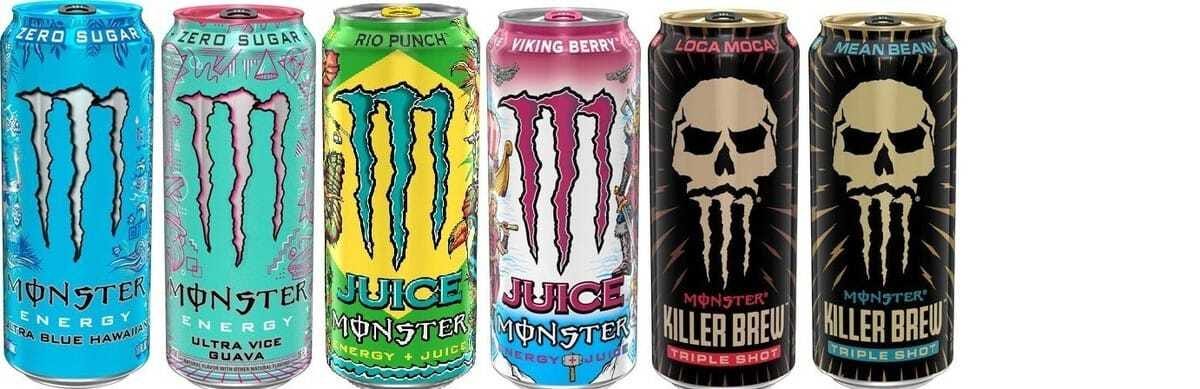
Image source: ebay.com
Strengths: Competitive Advantages Driving Performance
Financial Performance and Profitability
Monster’s financial metrics demonstrate exceptional operational efficiency. The company achieved a gross profit margin of 55.7 percent in Q3 2025, up from 53.2 percent the previous year. This improvement stems from strategic pricing actions, supply chain optimization, and favorable product sales mix.
Operating income surged 40.7 percent to $675.4 million, while net income increased 41.4 percent to $524.5 million. These numbers reflect cost discipline alongside revenue growth, positioning Monster to reinvest in innovation and expansion initiatives.
Financial Metric | Q3 2025 | Q3 2024 | Change |
|---|---|---|---|
Net Sales | $2.20 billion | $1.88 billion | +16.8% |
Gross Profit Margin | 55.7% | 53.2% | +2.5 pts |
Operating Income | $675.4 million | $479.9 million | +40.7% |
Net Income | $524.5 million | $370.9 million | +41.4% |
EPS (Diluted) | $0.53 | $0.38 | +41.1% |
The company maintained strong cash generation throughout 2025. With cash and cash equivalents of $2.29 billion as of September 30, 2025, Monster possesses financial flexibility to pursue strategic initiatives without compromising operational stability.
Strategic Partnership with The Coca-Cola Company
Monster’s relationship with Coca-Cola represents a formidable competitive advantage. Recently reinforced in December 2025, this partnership provides Monster with unparalleled distribution infrastructure spanning over 200 countries.
Coca-Cola holds approximately 16.7 percent equity stake in Monster and serves as the company’s preferred global distribution partner. This arrangement grants Monster access to Coca-Cola’s bottling network, cold drink equipment, and retail relationships.
The partnership enables rapid market penetration that would require decades and billions in capital investment to replicate independently. Through this distribution network, Monster products reached convenience stores, supermarkets, gas stations, and foodservice outlets globally with extraordinary efficiency.
Analysts highlight this partnership as a potential accelerator for international expansion, particularly in emerging markets where establishing distribution independently presents significant barriers to entry.
Product Portfolio Diversification
Monster has methodically expanded beyond its flagship Monster Energy brand. The portfolio now encompasses multiple product lines targeting distinct consumer segments:
Energy Drink Segments:
Monster Energy® - Core brand with various flavor profiles
Monster Ultra® - Zero-sugar line appealing to health-conscious consumers
Juice Monster® - Energy + juice combination
Java Monster® - Coffee + energy hybrid
Reign® and Reign Storm® - Performance and wellness-focused lines
Bang Energy® - Acquired brand expanding zero-sugar offerings
The Bang Energy acquisition in July 2023 for $362 million strengthened Monster’s position in the performance energy segment. Bang contributed to distribution expansion and provided access to fitness-focused consumer demographics.
Monster Ultra continues driving significant growth. This zero-sugar line resonates particularly well with consumers seeking energy without sugar content, addressing health concerns while maintaining taste appeal.
Innovation Pipeline and Product Development
Monster’s commitment to innovation remains central to its competitive strategy. The company maintains a robust development pipeline with multiple launches planned through 2026.
For 2025, Monster introduced several new flavors, including Monster Energy Ultra Wild Passion, Juice Monster Bad Apple, Monster Electric Blue, and Monster Orange Dreamsicle. These offerings demonstrate Monster’s ability to identify emerging flavor preferences and translate them into commercially successful products.
The most significant innovation announcement involves FLRT, a female-focused energy drink line scheduled for late Q1 2026 launch. FLRT represents Monster’s strategic entry into the rapidly growing female consumer segment, competing directly with successful brands like Alani Nu.
FLRT Product Details |
|---|
Launch Date: Late Q1 2026 |
Target Demographic: Female consumers |
Format: Zero-sugar |
Functional Benefits: Skin and hair health ingredients |
Initial Flavors: Berry Tempting, Guava Lava, Strawberry Fling, Sunset Squeeze |
This launch addresses a critical market opportunity. Energy drinks traditionally skewed toward male consumers, but female consumption has accelerated significantly. FLRT positions Monster to capture market share in this high-growth segment.
International Expansion Success
International markets represent Monster’s most dynamic growth opportunity. Net sales to customers outside the United States increased 23.3 percent to $937.1 million in Q3 2025, representing approximately 43 percent of total net sales.
This marks the highest percentage of international sales recorded by Monster for a single quarter, demonstrating successful execution of global expansion strategies.
Regional Performance Highlights:
International Sales Growth Q3 2025:
- Overall International: +23.3% (reported), +19.1% (FX-adjusted)
- China: +42.9% (reported), +42.0% (FX-adjusted)
- Europe: Strong double-digit growth
- Asia Pacific: Broad distribution expansion
China’s performance stands out particularly. The Chinese energy drink market is projected to reach $20.79 billion by 2033, growing at a compound annual growth rate exceeding 8 percent. Monster’s 42 percent growth rate in this market significantly outpaces overall market expansion, indicating market share gains.
European markets also delivered robust performance. Monster benefited from expanded distribution, effective marketing campaigns, and successful product launches tailored to regional preferences.
Brand Recognition and Marketing Prowess
Monster’s brand commands exceptional recognition among target demographics. The company invests heavily in experiential marketing, extreme sports sponsorships, and cultural partnerships that reinforce brand identity.
Monster sponsors athletes and teams across motorsports, mixed martial arts, gaming, and action sports. These sponsorships create authentic connections with core consumers who identify with the brand’s edgy positioning.
The distinctive Monster claw logo has achieved iconic status. This visual identity translates across product lines and geographical markets, providing consistent brand recognition that competitors struggle to replicate.
Monster has successfully implemented pricing actions without significant volume degradation. This pricing power reflects strong brand equity and consumer willingness to pay premium prices for Monster products.
While positioned at higher price points than value competitors, Monster maintains pricing below ultra-premium competitor Red Bull. This positioning balances accessibility with premium perception, allowing Monster to capture a broad consumer base.
The company’s ability to pass through cost increases demonstrates pricing strength that protects margins during inflationary periods. This flexibility provides financial stability regardless of commodity cost fluctuations.
Weaknesses: Internal Challenges Requiring Strategic Attention
Limited Diversification Beyond Energy Drinks
Monster generates approximately 92 percent of revenue from its Monster Energy Drinks segment. This concentrated revenue base creates vulnerability to energy drink category disruptions.
The Strategic Brands segment contributed only $130.5 million in Q3 2025. Meanwhile, the Alcohol Brands segment continues underperforming, with sales declining 17.0 percent to $33.0 million in Q3 2025.
Revenue by Segment | Q3 2025 Sales | % of Total |
|---|---|---|
Monster Energy Drinks | $2.03 billion | 92.4% |
Strategic Brands | $130.5 million | 5.9% |
Alcohol Brands | $33.0 million | 1.5% |
Other | $6.8 million | 0.3% |
The alcohol business has struggled to gain traction. Despite initial optimism about cross-category expansion, Monster’s craft beers, flavored malt beverages, and hard seltzers have not achieved commercial success comparable to energy drinks.
This concentration risk means any disruption affecting energy drink consumption directly impacts Monster’s financial performance. Category-level challenges such as regulatory restrictions, health concerns, or shifting consumer preferences would disproportionately affect the company.
Dependence on Coca-Cola Distribution Network
While Coca-Cola partnership provides distribution advantages, it simultaneously creates strategic dependency. Monster relies on Coca-Cola bottlers to prioritize its products within portfolios that include numerous beverage brands competing for limited retail space and promotional support.
Coca-Cola’s strategic priorities may not always align perfectly with Monster’s objectives. Bottlers make independent decisions about distribution intensity, product placement, promotional investments, and retail relationships that significantly impact Monster’s market performance.
This dependency limits Monster’s direct control over critical success factors. The company cannot unilaterally decide distribution expansion, retail placement, or promotional execution in Coca-Cola-distributed markets.
If Coca-Cola’s relationship with Monster were to deteriorate or if bottler support diminished, Monster would face enormous challenges rebuilding independent distribution infrastructure. The capital requirements and time necessary to establish comparable distribution would be prohibitive.
Aluminum and Commodity Cost Exposure
Monster faces ongoing exposure to aluminum can costs and other commodity price fluctuations. While the company has implemented hedging strategies for 2025, these provide only temporary protection.
Aluminum tariffs and supply chain disruptions create cost pressure. Monster expects to mitigate approximately 60 percent of tariff costs in fiscal 2026, but unmitigated portions will pressure margins.
Cost Pressures Facing Monster:
- Aluminum can costs (primary packaging)
- Freight and transportation expenses
- Ingredient costs (caffeine, taurine, sweeteners)
- Energy costs for production facilities
- Labor cost inflation
Unlike fully integrated beverage companies controlling upstream supply chains, Monster depends on third-party suppliers and co-packers. This model provides flexibility but limits cost control during inflationary periods.
The company addressed some cost pressures through pricing actions in 2025. However, continued commodity inflation without corresponding pricing adjustments would compress margins and reduce profitability.
Regulatory and Health Perception Challenges
Energy drinks face increasing regulatory scrutiny globally. Multiple countries have implemented or proposed age restrictions on energy drink sales:
Recent Regulatory Actions:
Poland: Banned sales to individuals under 18 (effective January 2024)
Kazakhstan: Banned sales to individuals under 21 (effective January 2025)
United Kingdom: Proposed ban on sales to individuals under 16 (consultation underway)
Latvia, Lithuania, Hungary: Similar restrictions implemented
These regulations restrict addressable markets and create negative perceptions about product safety. Each new restriction generates media coverage highlighting health concerns, potentially influencing consumer behavior even in unrestricted markets.
The American College of Sports Medicine released recommendations in 2025 warning about energy drink consumption among children, athletes, and individuals with certain health conditions. Such guidance from respected medical organizations influences public opinion and regulatory approaches.
Monster must continuously defend its products against health critics while maintaining compliance with evolving regulations across dozens of countries. This defensive positioning diverts resources from growth initiatives and creates ongoing reputational risk.
Geographic Market Concentration
Despite international expansion success, Monster still derives approximately 57 percent of revenue from customers in the United States. This concentration exposes the company to U.S.-specific risks, including regulatory changes, economic conditions, and competitive dynamics.
While international revenue has grown to 43 percent of total sales, further geographic diversification would reduce concentration risk. Many emerging markets remain underpenetrated, representing future opportunities but also highlighting current geographic limitations.
Economic downturns, regulatory restrictions, or competitive challenges in the U.S. market would disproportionately impact overall financial performance given the country’s continued revenue dominance.
Limited Direct-to-Consumer Capabilities
Monster operates primarily through traditional retail distribution channels. The company has limited direct-to-consumer capabilities compared to emerging beverage brands leveraging e-commerce and subscription models.
As consumer shopping behavior shifts toward online channels, Monster’s dependence on physical retail could become increasingly problematic. While products are available through online retailers, Monster lacks direct relationships with end consumers that enable personalized marketing, subscription offerings, and first-party data collection.
This limitation reduces flexibility in reaching consumers through emerging channels and limits opportunities to capture higher margins through direct sales.
Opportunities: External Factors Enabling Growth
Global Energy Drink Category Expansion
The global energy drink market continues demonstrating strong secular growth. Industry data indicates the category is expanding at high single-digit to low double-digit rates across most regions, driven by several factors:
Category Growth Drivers:
Consumer Trends Supporting Energy Drink Growth:
1. Increasingly busy lifestyles requiring sustained energy
2. Shift away from traditional carbonated soft drinks
3. Growing acceptance of functional beverages
4. Younger demographics embracing energy drinks
5. Expansion beyond traditional male consumer base
6. Work-from-home patterns creating new consumption occasions
This category expansion provides a favorable backdrop for Monster’s growth initiatives. Even maintaining current market share would generate significant revenue growth as the overall category expands.
Consumer interest in energy drinks continues rising. Morning Consult data shows net purchase consideration for energy drinks has increased significantly, with improving consumer perceptions about the category.
Female Consumer Segment Opportunity
Female consumers represent one of the fastest-growing segments within energy drinks. Brands specifically targeting women, such as Alani Nu, have achieved remarkable success, demonstrating substantial unmet demand.
Monster’s FLRT launch positions the company to capture share in this high-growth segment. The female energy drink market has shown higher growth rates than male segments, with women seeking products addressing specific functional benefits beyond basic energy.
FLRT’s formulation includes ingredients supporting skin and hair health, differentiating it from male-focused products. The zero-sugar format aligns with health and wellness trends particularly important to female consumers.
If executed successfully, FLRT could become a significant revenue contributor. Alani Nu’s success demonstrates the market potential, suggesting FLRT could reach hundreds of millions in annual sales if it achieves similar market penetration.
Asia Pacific and Emerging Market Penetration
Asia Pacific represents Monster’s most significant long-term growth opportunity. The region contains over 4 billion people with rapidly rising incomes and increasing westernization of consumption patterns.
China specifically demonstrates exceptional growth potential. Monster achieved 42.9 percent sales growth in Q3 2025, far exceeding overall market expansion rates.
As Chinese consumers become more affluent and urban, energy drink consumption continues accelerating. Cultural shifts toward longer working hours and increased participation in fitness activities drive demand for functional energy products.
Beyond China, countries including India, Indonesia, Vietnam, and Philippines present enormous untapped markets. These countries combine large populations, young demographics, and improving economic conditions that favor energy drink category development.
Asia Pacific Opportunity Metrics |
|---|
Population: Over 4 billion people |
Median Age: Significantly younger than developed markets |
Urbanization Rate: Rapidly increasing |
Middle Class Growth: Accelerating across region |
Energy Drink Penetration: Low compared to developed markets |
Monster’s partnership with Coca-Cola provides distribution infrastructure to capture these opportunities. As Coca-Cola has extensive presence across Asia Pacific, Monster can leverage this network to accelerate market entry and expansion.
Health and Wellness Product Innovation
Consumer preferences are shifting toward healthier functional beverages. Wellness trends continue accelerating, with consumers seeking products delivering functional benefits beyond basic refreshment.
Monster has opportunities to innovate products addressing these preferences:
Innovation Opportunities:
Natural caffeine sources (green tea, guarana, yerba mate)
Adaptogens and nootropics for cognitive function
Protein-enhanced energy drinks for fitness consumers
Electrolyte-infused formulations for hydration
Plant-based and organic ingredient profiles
Reduced or zero sugar formulations with enhanced benefits
The success of Monster Ultra demonstrates consumer receptiveness to better-for-you positioning. Expanding this approach across additional product lines could capture health-conscious consumers while addressing regulatory and perception concerns.
Functional beverages bridging energy drinks with sports nutrition, cognitive enhancement, or immune support represent whitespace opportunities. These products could command premium pricing while differentiating Monster from traditional energy drinks.
Strategic Acquisitions and Brand Development
Monster possesses significant financial resources enabling strategic acquisitions. With $2.29 billion in cash and strong cash generation, the company can pursue acquisitions accelerating growth or expanding capabilities.
The Bang Energy acquisition demonstrates willingness to pursue strategic deals. Additional acquisitions could include:
Potential Acquisition Targets:
Regional energy drink brands with strong local positions
Functional beverage companies with differentiated positioning
Sports nutrition brands expanding Monster's presence in fitness
Emerging brands targeting specific consumer segments
International brands providing instant market access
Strategic brand development also presents opportunities. Monster has successfully launched multiple sub-brands addressing distinct consumer needs. Continuing this approach could capture incremental market opportunities without cannibalizing existing product lines.
E-Commerce and Direct-to-Consumer Expansion
The shift toward online shopping accelerated dramatically and appears permanent. E-commerce penetration in beverage categories continues increasing, creating opportunities for brands developing robust digital capabilities.
Monster could develop direct-to-consumer channels offering subscription services, personalized product recommendations, and exclusive flavors. This approach would capture higher margins while building direct consumer relationships enabling first-party data collection.
Direct distribution would complement, not replace, traditional retail partnerships. However, it would provide additional revenue streams and deeper consumer insights informing product development and marketing strategies.
Subscription models could generate recurring revenue with improved lifetime value metrics. Consumers purchasing energy drinks regularly represent ideal subscription candidates, as they demonstrate predictable consumption patterns and brand loyalty.
Consumer willingness to pay premium prices for differentiated products continues increasing. Monster can leverage brand equity to introduce ultra-premium offerings commanding significant price premiums.
Limited edition flavors, collaborative partnerships with influencers or brands, and premium ingredient formulations could capture affluent consumers seeking exclusive products. These releases generate excitement, drive social media engagement, and create urgency through scarcity.
Gaming collaborations, music festival exclusives, and athlete signature products represent opportunities connecting with specific consumer communities while commanding premium pricing. The success of limited edition sneakers and apparel demonstrates consumer enthusiasm for exclusive, limited-availability products.
Sustainability and ESG Leadership
Growing corporate sustainability priorities create opportunities for companies demonstrating environmental and social responsibility leadership. Monster has made commitments including joining the Science Based Targets initiative to set emissions reduction targets aligned with limiting global warming to 1.5 degrees.
Advancing sustainability initiatives could strengthen brand reputation, particularly among younger consumers prioritizing environmental responsibility. Achievements in recyclable packaging, renewable energy, water conservation, and supply chain sustainability differentiate Monster from competitors.
ESG leadership also attracts institutional investors incorporating sustainability criteria into investment decisions. Strong ESG performance improves access to capital while potentially commanding valuation premiums from sustainability-focused investors.
Threats: External Challenges Creating Strategic Risk
Intensifying Competition Across Multiple Fronts
Competition in the energy drink category has intensified dramatically. Monster faces challenges from multiple competitor types:
Primary Competitors:
Red Bull: Market leader with 43% global share and premium positioning
Celsius: Rapidly growing fitness-focused brand achieving significant market share gains
Bang Energy: Performance segment competitor (now owned by Monster)
Rockstar: PepsiCo-owned brand with distribution advantages
Regional and private label brands: Gaining share through lower pricing
Celsius represents a particularly significant competitive threat. The company achieved remarkable growth through health-forward positioning and partnership with PepsiCo. Celsius captured approximately 11 percent U.S. market share by focusing on fitness enthusiasts and health-conscious consumers.
U.S. Energy Drink Market Share 2025 |
|---|
Red Bull: 28% |
Monster: 19% |
Celsius: 11% |
Others (Including Private Label): 42% |
PepsiCo’s investment in Celsius provides distribution comparable to Monster’s Coca-Cola partnership. This competitive dynamic creates a proxy war between two of the world’s largest beverage companies, each backing different energy drink brands.
Red Bull maintains market leadership through premium positioning, extensive marketing investments, and loyal consumer base. While Monster has narrowed the gap, Red Bull’s brand strength and pricing power remain formidable competitive advantages.
Private label and regional brands capture share through value positioning. During economic uncertainty, consumers often trade down to lower-priced alternatives, benefiting value competitors at premium brands’ expense.
Regulatory Risks and Age Restriction Expansion
The regulatory environment surrounding energy drinks continues deteriorating globally. Age restrictions represent the most significant near-term threat, as they directly limit addressable markets.
Multiple countries have recently implemented sales restrictions:
Implemented Age Restrictions:
Poland: Under 18 ban (January 2024)
Kazakhstan: Under 21 ban (January 2025)
Latvia, Lithuania, Hungary: Various under-18 restrictions
United Kingdom: Proposed under-16 ban (consultation phase)
These restrictions establish dangerous precedents potentially spreading to additional countries. If major markets including the United States, Germany, or Japan implemented similar restrictions, Monster would lose access to significant youth consumer segments.
Beyond age restrictions, governments could implement additional regulations including:
Potential Future Regulations:
- Caffeine content limits
- Container size restrictions
- Marketing and advertising prohibitions
- Excise taxes on energy drinks
- Warning label requirements
- Sales channel restrictions (no vending machines, schools, etc.)
- Prohibitions in government nutrition programs
Each regulation incrementally restricts Monster’s commercial freedom while creating negative publicity reinforcing health concerns.
The UK government’s proposed ban on sales to under-16s would prohibit energy drink purchases from shops, restaurants, cafes, vending machines, and online retailers. This comprehensive approach could become a model adopted elsewhere.
Health Concerns and Medical Community Opposition
Medical professionals and health organizations continue expressing concerns about energy drink consumption. The American College of Sports Medicine released specific warnings about energy drinks in 2025, recommending against use by children, pregnant women, and individuals with certain health conditions.
These medical recommendations influence public opinion and regulatory approaches. Parents, educators, and healthcare providers often discourage energy drink consumption based on health organization guidance.
Specific concerns include:
Health Concerns Cited:
Excessive caffeine consumption and potential overdose
Cardiovascular effects (elevated heart rate, blood pressure)
Sleep disruption and insomnia
Addiction and dependency
Interactions with medications or alcohol
Effects on developing adolescent brains
Dental health impacts from sugar content
Research linking energy drinks to negative health outcomes continues generating negative media coverage. Each study published reinforces concerns and provides ammunition for regulatory advocates.
Monster must continuously invest in defending product safety while managing ongoing reputational risk. This defensive posture diverts resources from growth initiatives and creates persistent headwinds.
Economic Uncertainty and Consumer Spending Pressure
Global economic uncertainty creates risk for discretionary consumer spending. Energy drinks represent premiumpriced beverages that consumers may curtail during economic stress.
Monster experienced cautious consumer behavior impacting Q1 2025 results, with sales declining 2.3 percent year-over-year. While the company recovered strongly in subsequent quarters, this demonstrated sensitivity to macroeconomic conditions.
Inflation affects consumers through multiple channels:
Economic Pressures:
Reduced disposable income from inflation
Higher essential goods costs limiting discretionary spending
Employment uncertainty affecting purchase behavior
Consumer trading down to value brands
Reduced frequency of purchase occasions
During recessions or economic slowdowns, consumers often shift from premium brands like Monster to private label or value alternatives. This trading-down behavior pressures volumes and market share.
Additionally, retailer pressure on pricing during difficult economic periods can compress margins even as input costs remain elevated.
Supply Chain Disruptions and Geopolitical Instability
Global supply chains remain vulnerable to disruption from various sources. Military conflicts, trade tensions, and geopolitical instability create risks including supply chain disruptions, commodity price volatility, and economic uncertainty.
Monster depends on aluminum supplies concentrated in specific geographic regions. Trade restrictions, tariffs, or supply disruptions could dramatically increase costs or constrain production capacity.
The company also relies on specialty ingredients sourced globally, including caffeine, taurine, and various vitamins. Supply disruptions for any critical ingredient could halt production until alternative sources are secured.
Transportation disruptions from port congestion, container shortages, or fuel cost spikes create additional supply chain vulnerabilities. Monster’s global distribution model depends on efficient logistics networks that could be compromised by various disruptions.
Climate Change and Sustainability Pressures
Climate change creates multiple risks for beverage companies. Physical risks including extreme weather events, droughts, and flooding threaten agricultural inputs and production facilities.
Water availability represents a critical concern. Beverage production requires substantial water resources, and climate change threatens water security in many regions. Water scarcity could increase costs, limit production capacity, or create reputational challenges.
Transitional risks from policy shifts and evolving disclosure requirements create compliance burdens. Governments implementing carbon pricing, plastic packaging restrictions, or emissions regulations could significantly increase operating costs.
Reputational risks linked to perceived climate inaction can damage brand value, particularly among younger consumers prioritizing environmental sustainability. Companies failing to demonstrate credible climate commitments face consumer backlash and activist pressure.
Monster has committed to science-based emissions reduction targets, but achieving these targets while maintaining growth will require substantial investments and operational changes.
Alternative Beverage Category Competition
Energy drinks face competition not just from direct competitors but from alternative beverages meeting similar consumer needs:
Alternative Categories:
Coffee and cold brew (natural energy, premium positioning)
Sports drinks (functional hydration, fitness association)
Enhanced water (functional benefits, healthier positioning)
Kombucha (natural energy, gut health benefits)
Functional sodas (better-for-you positioning)
Pre-workout supplements (fitness performance benefits)
These categories collectively offer functional benefits overlapping with energy drinks. As consumer preferences evolve toward natural ingredients and holistic wellness, some energy drink consumers may migrate to alternative categories perceived as healthier.
The growth of functional beverage categories reflects consumer willingness to explore products beyond traditional energy drinks. This fragmentation reduces energy drink category growth potential while intensifying competition for consumer spending.
Coffee particularly represents a formidable substitute. Cold brew and ready-to-drink coffee products deliver caffeine with premium positioning and less controversial health perceptions. As coffee companies innovate with functional additives and convenient formats, they increasingly compete for energy drink occasions.
Strategic Implications for Investors
Investment Thesis Evaluation
Monster Beverage presents a compelling investment case centered on several factors:
Positive Investment Factors:
Strong financial performance with margin expansion
Robust international growth, particularly in Asia Pacific
Strategic Coca-Cola partnership providing distribution advantages
Innovation pipeline addressing evolving consumer preferences
Market leadership position with pricing power
Significant cash generation enabling capital return and acquisitions
Investment Concerns:
Revenue concentration in single product category
Regulatory headwinds potentially restricting addressable markets
Intensifying competition from multiple directions
Dependency on Coca-Cola distribution network
Health perception challenges creating defensive positioning
Exposure to commodity cost fluctuations
The company’s 42 percent stock price appreciation in 2025 reflects strong operating performance and investor enthusiasm. However, valuation multiples have expanded, creating questions about whether current pricing fully reflects future growth prospects.
Key Performance Indicators to Monitor
Investors evaluating Monster should focus on several critical metrics:
Financial Metrics:
International revenue growth rates and geographic mix
Gross margin trajectory reflecting pricing power and cost management
Operating margin expansion demonstrating operational leverage
Free cash flow generation and capital allocation decisions
Market share gains or losses in key geographic markets
Strategic Metrics:
FLRT launch success and female consumer segment penetration
Innovation pipeline execution and new product contribution
Coca-Cola partnership evolution and bottler support levels
Regulatory developments in major markets
Competitive dynamics with Celsius, Red Bull, and emerging brands
Operational Metrics:
Case volume growth by segment and geography
Average revenue per case trends indicating pricing power
Distribution expansion in underpenetrated markets
Marketing efficiency and return on brand investments
Risk Mitigation Strategies
Monster must address several strategic priorities to mitigate risks:
Portfolio Diversification:
Reducing dependence on traditional energy drinks through successful development of adjacent categories. FLRT represents one diversification approach, but additional initiatives addressing different consumer segments and occasions could reduce concentration risk.
Regulatory Engagement:
Proactive engagement with regulators and health organizations to shape policy outcomes. Industry leadership in responsible marketing, transparency, and product safety could moderate regulatory pressures.
Sustainability Leadership:
Advancing ESG initiatives to strengthen brand reputation and address climate risks. Investments in sustainable packaging, emissions reduction, and water conservation could differentiate Monster while reducing long-term environmental risks.
Innovation Acceleration:
Continuing robust product development addressing health and wellness trends. Natural ingredients, functional benefits, and better-for-you positioning could expand addressable markets while addressing health concerns.
International Acceleration:
Prioritizing international expansion, particularly in high-growth Asia Pacific markets. Reducing U.S. revenue concentration would diversify geographic risk while capturing markets with superior growth trajectories.
Valuation Considerations
Monster currently trades at approximately 34.4 times forward earnings, representing a premium to broader market multiples but below Celsius at 30.2 times forward earnings.
This valuation reflects several factors:
Premium positioning as market leader with growth potential
Strong financial performance and margin expansion
International growth opportunities in early stages
Consistent execution and predictable financial results
Strategic partnership providing competitive advantages
However, valuation sensitivity to growth assumptions requires careful analysis. If international growth moderates, regulatory restrictions expand, or competition intensifies beyond current expectations, current multiples may prove challenging to sustain.
Long-term investors should focus on Monster’s ability to compound growth through innovation and international expansion. The company’s track record demonstrates consistent execution, but future performance faces more challenging comparisons and intensifying competition.
Time Horizon and Investment Approach
Monster Beverage appears most suitable for investors with long-term horizons. The company’s growth story centers on international expansion and category development that will unfold over years, not quarters.
Near-term volatility could result from:
Quarterly results variability from currency fluctuations
Regulatory announcements creating negative sentiment
Competitive dynamics evolving in major markets
Economic uncertainty affecting discretionary spending
Long-term value creation depends on Monster successfully executing several strategic priorities simultaneously. The company must maintain domestic market leadership while accelerating international expansion, defend against intensifying competition while investing in innovation, and manage regulatory challenges while advancing sustainability initiatives.
Investors should monitor execution against these strategic priorities rather than reacting to quarterly noise. Monster’s business model generates predictable cash flows that support long-term compounding if management continues executing effectively.
My Final Thoughts
Monster Beverage Corporation occupies a strong competitive position within a growing global energy drink category. The company’s financial performance, strategic partnerships, and innovation capabilities position it to capitalize on significant opportunities through 2026 and beyond.
However, meaningful challenges, including regulatory pressures, intensifying competition, and health perception concerns, require strategic focus and effective execution. The company’s heavy dependence on energy drinks creates concentration risk that diversification initiatives must address.
For investors, Monster represents a high-quality business with demonstrated management capabilities and favorable long-term growth drivers. International expansion, particularly in Asia Pacific, offers substantial upside potential. Product innovation addressing evolving consumer preferences could expand addressable markets while maintaining premium positioning.
The FLRT launch in early 2026 represents a critical test of Monster’s ability to successfully enter adjacent consumer segments. Success would validate the company’s diversification strategy while demonstrating continued innovation capabilities.
Investors must weigh Monster’s growth opportunities against valuation levels incorporating optimistic growth assumptions. The company’s execution track record provides confidence, but intensifying competition and regulatory headwinds create uncertainty about future growth rates.
Ultimately, Monster Beverage’s success through 2026 and beyond will depend on maintaining core business strength while successfully expanding internationally, innovating products addressing health and wellness trends, and navigating an increasingly complex regulatory environment.
The company possesses financial resources, strategic partnerships, and management capabilities to address these challenges, but execution will determine whether current valuations prove justified.
Disclaimer: This analysis is for informational purposes only and should not be construed as investment advice. Investors should conduct their own due diligence and consult with financial advisors before making investment decisions.
Reply