

Welcome to Deep Research Global - The institutional-grade investment analysis newsletter, built exclusively for savvy investors.
As a paid member you get access to:
Daily - Deep-dive fundamental analysis reports & investment insights
Weekly - Earnings analysis of key releases
One subscription. Unlock full archive - 100s of stock/company analysis reports (updated regularly)
In case you missed it, here are the latest “fundamental analysis” reports:
List of All Reports - Check It Out
Memory chips have officially crossed into precious metal territory. Fresh trade data out of South Korea shows DRAM export prices up 401% year over year, a move so violent that silicon now trades almost gram for gram alongside bullion.
For investors, this is a repricing event with real winners & casualties.
In this analysis we’ll below break down the numbers and the strategic angles worth your attention.
Let’s begin.
The Number That Shocked the Market
Between August 1 and August 20, Korean DRAM exports carried a unit price of $92,183 per kilogram, roughly 127 million won. That figure is 12.5 times higher than January 2023, the moment the AI infrastructure race began in earnest.
Put against the local gold market, 620 grams of 24 karat gold costs about 126.6 million won. One kilogram of memory chips and a fat stack of gold bars now sit at the same price point.
DRAM export price (Aug 1 to 20, 2026):  $92,183 per kg
Year over year change:                  +401%
vs. January 2023:                       12.5x higher
Gold equivalent:                        620 grams of 24K gold
Gold itself has climbed through 2026 on a weaker US dollar and energy cost pressure tied to the Iran conflict, which makes the comparison even more striking.
DRAM did not catch up to a falling asset. It caught up to a rising one.
AI Is Eating the Memory Supply
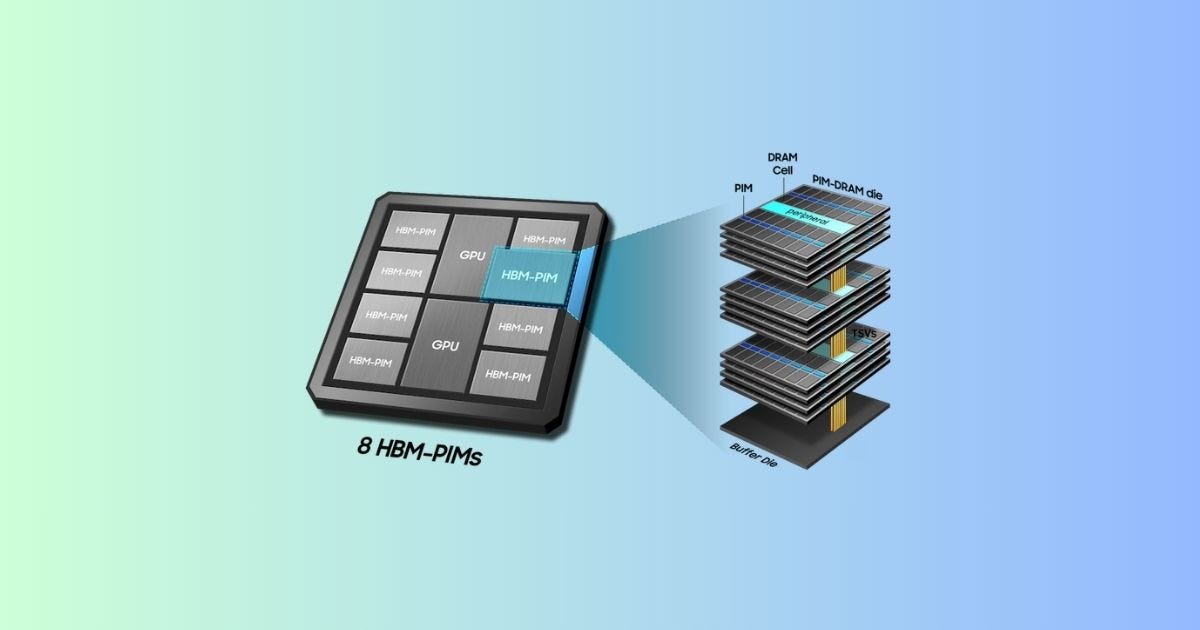
The engine behind this squeeze is high bandwidth memory, or HBM, the stacked DRAM that feeds AI accelerators.

Every gigabyte of HBM consumes roughly three times the wafer capacity of standard DRAM, so every wafer diverted to AI is a wafer taken from PCs, phones, and servers.
Each HBM chip stacks as many as 12 thinned DRAM dies, and memory alone can account for half or more of the cost of a packaged AI GPU. That economics explains why all three major makers rushed capacity toward HBM at once.
Demand concentration tells the same story. Data centers absorbed about 50% of global DRAM consumption in 2025, up from 32% five years earlier, and that share keeps climbing.
HBM wafer intensity:    ~3x standard DRAM per gigabyte
HBM die stack:          up to 12 DRAM dies per chip
Data center DRAM share: ~50% of global consumption (2025)
                        vs. 32% five years earlier
The supply side has effectively vanished for everyone else.


SK Hynix confirmed on its third quarter earnings that its HBM, DRAM, and NAND output is essentially sold out for 2026, while Micron exited the consumer memory market entirely to serve enterprise and AI buyers.